

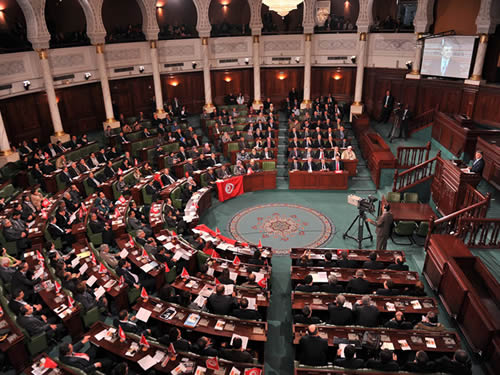
In what appears to be a world record, a total of 70 Tunisians have filled nomination papers to contest Tunisia’s November 2014’s presidential election.
Mr Chafik Sarsar, head of the Tunisia Election Commission, who disclosed this said however, that it includes no candidate from the ruling main Islamist party, Ennahda.
Ennahda, which has headed a coalition government since the Arab Spring revolution in 2011, has said that it would not contest the November’s presidential election to allow the other parties a fair chance of also ruling country.
It won the first three elections after the overthrow of ex-President Ben Ali in2011 but has been accused by the parties in opposition of seeking to entrench itself in power, in disdain of a large secular urban and being lenient towards radical Islamists.
Ennahda, the party giving other parties a chance at the presidency, is among the favourites to win this month’s parliamentary election and may secure the seat of prime minister, though opposition groups are not too happy at the prospect.
Tunisia’s new Arab Spring constitution empowers the president to make senior military and foreign policy appointments and as well nominating the prime minister, but the prime minister holds more powers than the president.
Tunisia has scheduled parliamentary elections on Oct. 26 and presidential ballot on Nov. 23 following the adoption of a new constitution this year and is gradually achieving fame as the model of democracy in North Africa.
The 70 presidential applicants include the incumbent president and several former ministers of deposed president Ben Ali.