

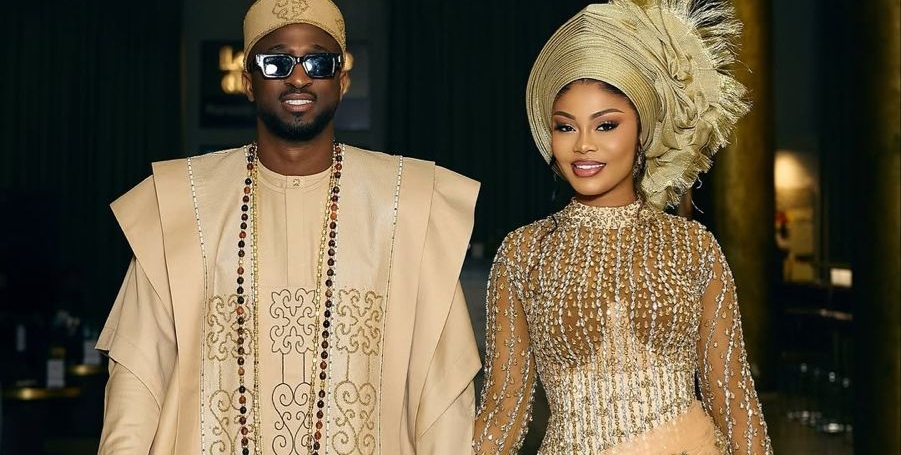
Africa’s fashion heritage is a living archive of history, identity and artistry. Across the continent, traditional attire is more than clothing. It is language, memory and pride woven into fabric. From ceremonial robes to everyday wear, African fashion continues to influence global style while remaining deeply rooted in culture. Here are five African countries celebrated for their rich and distinctive attire.
- Nigeria
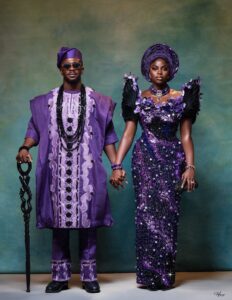
Nigeria’s traditional clothing reflects the diversity of its people. Among the Yoruba, Aso Oke stands out as a symbol of prestige, often worn during weddings and important ceremonies. The Igbo are known for George wrappers paired with elaborate coral beads, while the Hausa favour flowing garments such as the Babban Riga, designed for comfort and dignity. Nigerian attire is bold, expressive and closely tied to status and tradition.
- Ghana
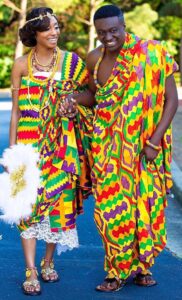
Ghana is globally recognised for Kente cloth, a vibrant fabric woven with intricate patterns that carry deep meanings. Each colour and design tells a story of leadership, unity or moral values. Traditionally worn by royalty and during special occasions, Kente has become an international symbol of African pride. Its influence can be seen in academic stoles, fashion collections and cultural celebrations around the world.
- Morocco
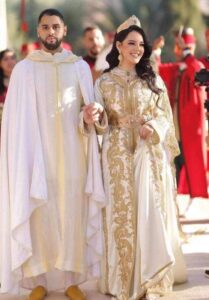
Moroccan attire blends African, Arab and Mediterranean influences. The Kaftan and Djellaba are central to Moroccan dress culture, known for their elegance and detailed embroidery. Often worn during festivals, weddings and religious events, these garments reflect craftsmanship passed down through generations. Moroccan fashion balances modesty with refinement, making it timeless and widely admired.
- Ethiopia
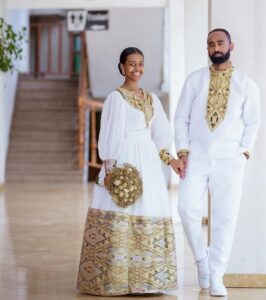
Ethiopian traditional clothing is characterised by simplicity and grace. The Habesha Kemis, usually made from cotton and decorated with hand woven patterns, is worn by women during religious and cultural celebrations. Men wear similar garments with shawls draped over the shoulders. Ethiopian attire often appears in white tones, symbolising purity and spiritual heritage.
- Senegal
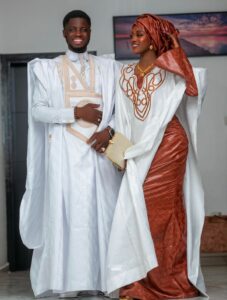
Senegalese fashion is colourful, confident and expressive. Traditional garments such as the Boubou are worn by both men and women, often crafted from richly dyed fabrics and adorned with detailed embroidery. Attire in Senegal is closely linked to celebration and social identity, with clothing chosen carefully for ceremonies, festivals and important gatherings.
African attire continues to travel beyond borders, inspiring designers, artists and fashion lovers across the world. These garments are not relics of the past but evolving expressions of culture and creativity.