


Africa is a continent blessed with depth, flavour and culinary traditions shaped by history, climate and culture. Each region tells its own story through food, using local ingredients and age-old cooking methods that have been passed down through generations. From spicy stews to hearty staples, African delicacies continue to win hearts far beyond the continent. Here are five African countries known for their rich and distinctive cuisines.
1. Nigeria
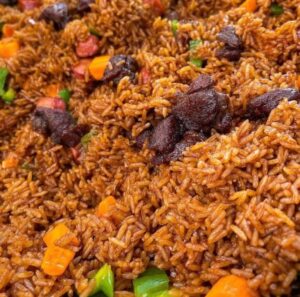
Nigeria boasts one of the most diverse food cultures in Africa, with each ethnic group contributing unique flavours. Popular dishes include jollof rice, egusi soup, pepper soup and suya. Nigerian cuisine is known for its bold use of spices, peppers and palm oil. Meals are often shared, making food an important part of social and cultural life.
2. Ghana
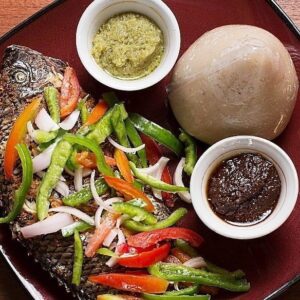
Ghanaian cuisine is comforting and flavour-packed, relying heavily on staples such as maize, cassava and plantain. Dishes like banku with pepper sauce and tilapia, waakye and fufu with light soup are widely enjoyed. Ghanaian food is simple yet satisfying, with a strong emphasis on fresh ingredients and well-balanced flavours.
3. Ethiopia

Ethiopian cuisine stands out for its unique presentation and communal style of eating. Injera, a soft sour flatbread, serves as both plate and utensil, paired with richly spiced stews known as wot. Berbere spice gives Ethiopian dishes their distinctive warmth and depth. The cuisine also offers a wide variety of vegetarian options rooted in religious traditions.
4. Morocco
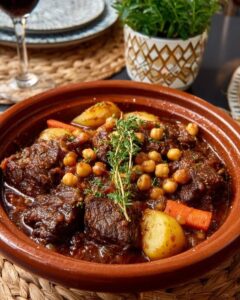
Moroccan food reflects a blend of African, Arab and Mediterranean influences. Known for its fragrant spices such as cinnamon, cumin and saffron, Moroccan cuisine offers dishes like tagine, couscous and harira. Meals are often slow-cooked, allowing flavours to develop fully, creating a balance of sweet and savoury notes.
5. Senegal
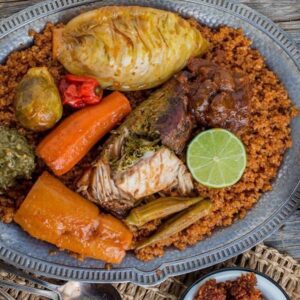
Often regarded as the culinary heart of West Africa, Senegal is famous for thieboudienne, a flavourful rice and fish dish cooked in tomato sauce and spices. Senegalese cuisine celebrates seafood, rice and vegetables, influenced by coastal living and local farming. Meals are typically enjoyed in a communal setting, reinforcing the importance of togetherness and tradition.