


Africa is one of the most linguistically diverse continents in the world. Its people speak thousands of languages, each shaped by history, culture and identity. Some countries have chosen to recognise more than one official language so that governance, education and communication reflect this diversity. Here are five African countries that embrace multiple official languages.
- South Africa
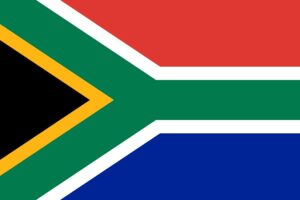
South Africa is often described as a linguistic mosaic. The country recognises eleven official languages, including Zulu, Xhosa, Afrikaans, English, Northern Sotho, Tswana, Southern Sotho, Tsonga, Venda, Swati and Ndebele. This wide recognition promotes inclusion and ensures that the voices of different cultural groups are acknowledged in public life.
- Kenya
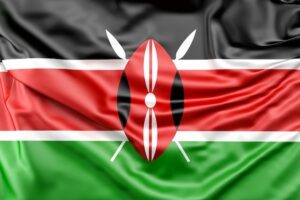
Kenya has two official languages English and Kiswahili. Both languages hold equal importance in education, government and media. Kiswahili also serves as a unifying language for many communities across East Africa. By giving both languages official status, Kenya strengthens national cohesion while maintaining global relevance through English.
- Cameroon
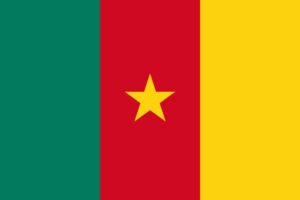
Cameroon is often referred to as Africa in miniature because of its rich cultural mix. It has two official languages, English and French. This reflects its colonial past under both British and French administration. The dual language system influences the school curriculum, legal processes and public administration.
- Rwanda
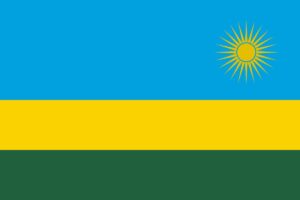
Rwanda recognises Kinyarwanda, English and French as official languages. Kinyarwanda is spoken across the country and is central to national identity. English and French support global engagement, education and diplomacy. The presence of three official languages shows Rwanda’s effort to connect locally and internationally.
- Mauritius
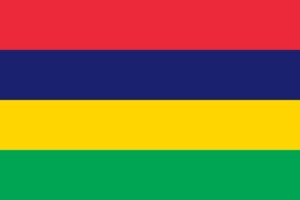
Mauritius has a vibrant multicultural heritage. The country recognises English and French as official languages for government and administration. While Mauritians speak several languages in daily life, including Creole and Bhojpuri, the choice of English and French reflects the island’s complex history and global economic links.