

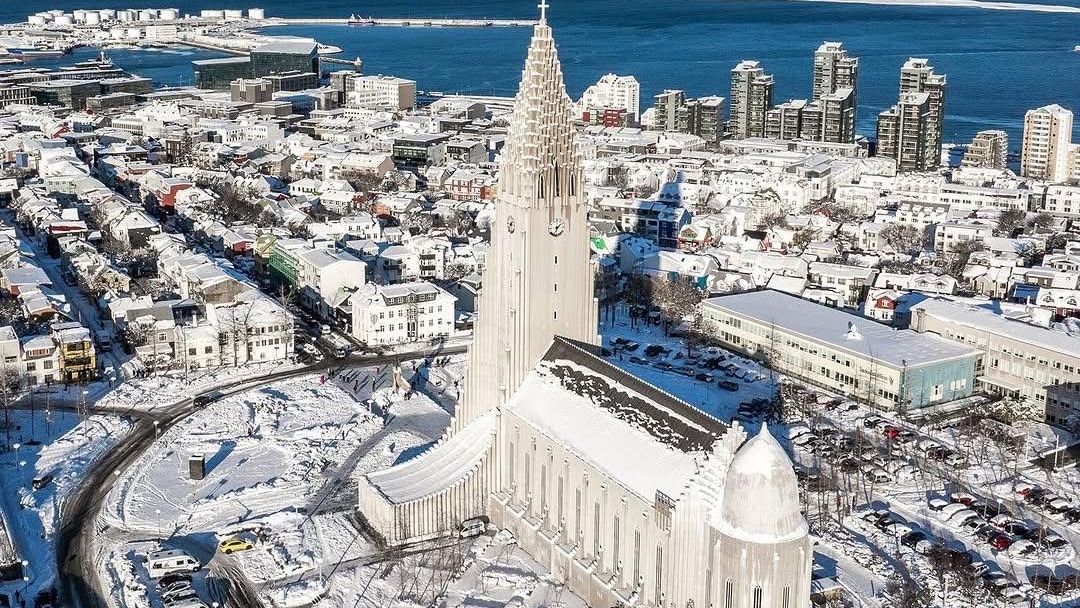
War has shaped borders, toppled empires and altered the course of history. Yet a small number of countries stand apart for having no record of fighting an interstate war as modern sovereign states. In most cases, these are microstates or small island nations whose size, geography or diplomatic positioning have kept them removed from armed conflict. They include:
1. Iceland
Iceland has never fought a war since gaining full independence in 1944. The country has no standing army and relies on NATO for defence. Its location in the North Atlantic has made it strategically important, yet it has remained peaceful. Iceland focuses its resources on education, healthcare, and social development rather than military spending.
2. Costa Rica
Costa Rica abolished its military in 1948 after a brief civil war. Since then, it has avoided armed conflict with other nations. The country channels its resources into education, healthcare, and environmental protection. Its long-standing commitment to peace has made it a model for diplomatic and social stability in the region.
3. Liechtenstein
Liechtenstein disbanded its army in 1868 and has not participated in war since. This tiny country has focused on diplomacy and economic development to maintain its security. Its small size and neutral stance make it unlikely to be involved in conflicts. Liechtenstein remains one of the few European nations to have entirely avoided modern warfare.
4. Andorra
Andorra, a small nation nestled in the Pyrenees, has no standing military. It has stayed neutral in modern conflicts and has relied on its larger neighbours for protection. The country has largely avoided the political upheavals that affected surrounding regions. Andorra’s peaceful approach has preserved its independence and stability over the years.
5. San Marino
San Marino is one of the oldest republics in the world and has maintained neutrality for centuries. While affected by events such as World War II, it never formally engaged in battle. Its focus has been on internal governance and cultural preservation. This tiny republic exemplifies how neutrality and diplomacy can maintain long-term peace.
6. Vatican City
Vatican City was established in 1929 and has never participated in war. It is internationally recognised for permanent neutrality and serves as the spiritual centre of the Roman Catholic Church. Its small size and religious significance make military conflict irrelevant. The Vatican continues to focus on diplomacy and humanitarian influence rather than armed engagement.
7. Samoa
Samoa has been independent since 1962 and has avoided international armed conflict. Its remote location in the Pacific Ocean has helped keep it insulated from global wars. The nation prioritises internal development and peaceful diplomacy. Samoa’s history shows that small island states can maintain sovereignty without military involvement.
8. Tuvalu
Tuvalu gained independence in 1978 and has no history of war as a sovereign state. Its isolation and small population make it unlikely to become involved in military conflicts. Tuvalu focuses on environmental issues and social welfare for its citizens. Peace and neutrality are central to the country’s international identity.
9. Palau
Palau became independent in 1994 and has remained a peaceful nation. The country has no history of armed conflict and maintains strong diplomatic relations with other states. Its small size and strategic focus on cooperation over confrontation have helped preserve security. Palau demonstrates how sovereignty and peace can coexist even in a complex global environment.