

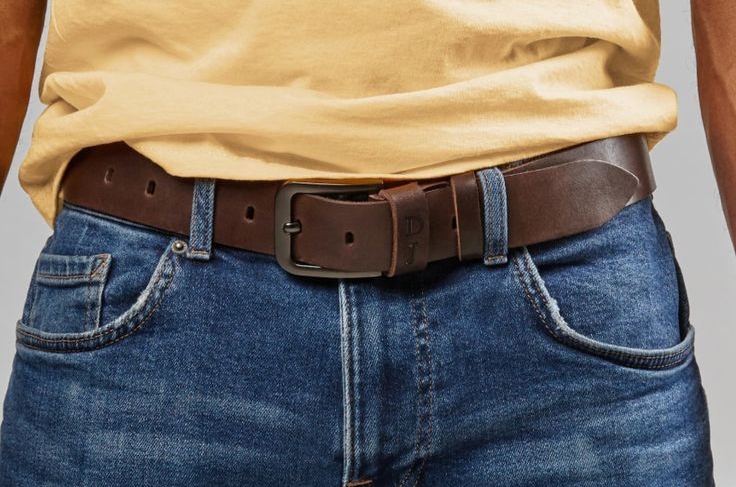
In menswear, small details often carry the most weight. One such detail is the belt. While it may seem like a simple accessory, the colour of your belt can either pull your outfit together or quietly disrupt it. Understanding how to match belt colours properly is an easy way to sharpen your style and look more put-together without trying too hard.
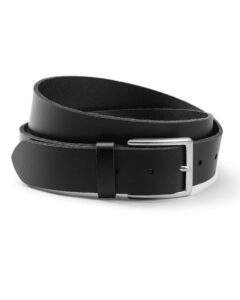
Why belt colour matters
A belt sits at the centre of your outfit and naturally draws the eye. When its colour works in harmony with your shoes and clothing, it creates balance. When it does not, it can look like an afterthought. Colour matching is not about rigid rules but about visual coherence.
The Golden Rule: Match your belt to your shoes
The most reliable guideline in men’s fashion is to match your belt to your shoes. Brown shoes call for a brown belt, while black shoes pair best with a black belt. This simple principle works for formal, business and smart casual outfits.
For formal wear such as suits, the match should be as close as possible. A black leather belt with black leather shoes is non-negotiable for black tie or corporate settings. With brown shoes, choose a belt in a similar shade, whether light tan or deep chocolate.
Understanding shades of brown
Brown comes in many tones, and exact matches are not always necessary. What matters is staying within the same family. Light brown shoes look best with light to medium brown belts, while darker shoes work well with deeper shades.
Mixing a very dark belt with very light shoes can look disjointed, so aim for harmony rather than contrast.
Belts for casual outfits
Casual dressing allows more freedom. When wearing jeans or chinos, you can experiment with textured belts such as suede, woven or fabric styles. Here, the belt does not have to match your shoes perfectly, but it should still relate to them.
For example, tan boots can work with a brown woven belt, while white trainers pair better with neutral belts like beige, grey or navy.
Matching belts with trousers
While shoes take priority, trousers also matter. Dark trousers generally look better with darker belts, while lighter trousers can handle lighter shades. A black belt with pale chinos may feel too harsh, whereas a brown or tan belt softens the look.
What about coloured belts
Coloured belts can be stylish when done right. Navy, burgundy and olive belts work well in relaxed settings. When wearing a coloured belt, keep the rest of your accessories understated. It helps if another element of your outfit subtly echoes the belt colour, such as a watch strap or socks.
Metal buckles and hardware
Belt buckles should complement your other accessories. Silver buckles pair well with silver watches, while gold-toned buckles work best with gold watches or cufflinks. This detail is often overlooked but makes a noticeable difference.
When to break the rules
Fashion rules exist to guide, not restrict. Once you understand the basics, you can bend them with confidence. A contrasting belt can work as a statement piece in casual outfits, especially when the rest of the look is simple and well coordinated.
When your belt looks like it belongs in your outfit, it shows attention to detail and personal style.