


Turning 50 often comes with a deeper awareness of how food affects the body. Metabolism slows, muscle mass reduces, and the risk of chronic conditions such as heart disease, diabetes, and high blood pressure increases. While ageing is natural, certain foods can speed up health challenges and make it harder to stay energetic and strong. Reducing or eliminating these foods can support better health in midlife and beyond.
1. Processed meats

Sausages, bacon, hot dogs, and cured meats are heavily processed and packed with salt, preservatives, and unhealthy fats. Regular consumption has been linked to heart disease, high blood pressure, and certain cancers. As the body ages, it becomes less efficient at handling excess sodium and saturated fat, making processed meats especially harmful. Lean proteins such as fish, beans, eggs, and fresh poultry are far better options.
2. Sugary snacks and desserts

Cakes, sweets, pastries, and sugary biscuits can quietly undermine health after 50. Excess sugar increases the risk of weight gain, type two diabetes, inflammation, and memory decline. It can also weaken bones and worsen joint pain. While occasional treats are fine, daily indulgence can take a toll. Fresh fruit, yoghurt, and homemade snacks with reduced sugar offer a safer alternative.
3. White bread and refined grains

White bread, white rice, and refined pasta lack the fibre and nutrients found in whole grains. These foods cause rapid spikes in blood sugar and provide little long term energy. After 50, maintaining stable blood sugar levels becomes more important for heart and brain health. Whole grains such as oats, brown rice, and whole wheat bread support digestion and help manage cholesterol.
4. Fried foods
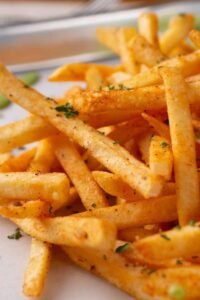
Fried foods like chips, fried chicken, and doughnuts contain unhealthy fats that contribute to inflammation, clogged arteries, and digestive discomfort. The body struggles more with fatty foods as it ages, increasing the risk of heart disease. Baking, grilling, steaming, or air frying food can dramatically reduce fat intake while preserving flavour.
5. Sugary drinks

Soft drinks, sweetened juices, and energy drinks deliver large amounts of sugar without providing any nutritional value. These beverages increase the risk of obesity, diabetes, and dehydration, especially in older adults who may already struggle with fluid balance. Water, herbal teas, and fresh fruit-infused drinks are gentler on the body and support overall well-being.