

As at this time last week, Nigeria and the global business community were expecting the verdict from the Independent National Electoral Commission, INEC, on the outcome of the keenly contested 2019 presidential elections.
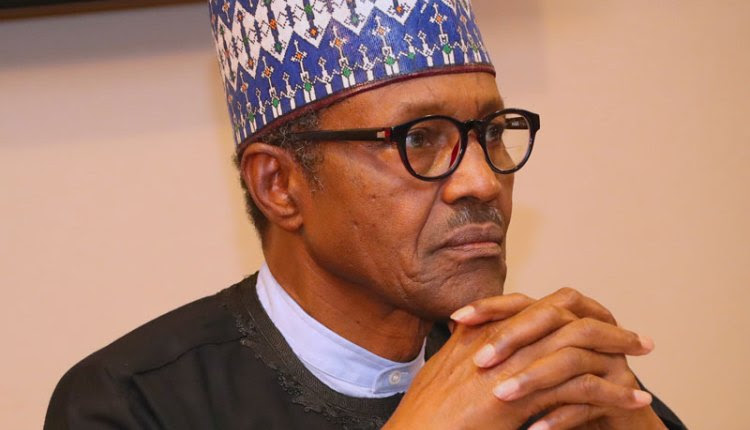
The curtain has been unveiled and we are all aware that the incumbent President Muhammadu Buhari, will preside over Africa’s largest economy for another four years.
In line with our philosophy of knowledge-sharing and client leadership, we partnered with an elite group of consulting firms under the aegis of Perchstone & Graeys’ Crystal Ball™, a proprietary research tool that forecasts key socio-economic events that influence and shape the state of the economy.
This week, the Crystal Ball™ brings to you an outlook into what the future holds for the general economy and Nigeria’s public finance.
In the last four years, the APC led government made significant progress towards promoting an investment-friendly environment. The establishment of PEBEC and championing the “ease of doing business” crusade has been a crucial crutch for a dying economy. As Nigeria leaves the recession behind, APC looks to continue to push for more regulations that will make doing business easier while maintaining industry standards. This means that while liquidity may not increase as much, trust and reliability (necessary elements for investing in Nigeria) in the system will increase significantly.
Also, the Buhari led government is more disposed to interventionism with programmes like the N-Power and TraderMoni. These social welfare programmes are aimed at the “poor” and needy.
What this means: Crystal Ball™ urges all interested investors in Nigeria to poise themselves to take advantage of the upcoming aggressive approach by the federal government in pushing for economic reform and recovery. Crystal Ball™ foresees an increase in the private sector activities. Under an APC government, there will be a burgeoning of the SME’s and an increase in socialist policies rather than capitalist policies. There will most likely be a lesser attraction of foreign direct investment in Nigeria and more reliance on the Federal Budget. The little private sector investment that may be attracted will most likely be in form of public private partnerships (PPP) which means there will still be a lot of government oversight, lesser deregulation and privatisation.
© SBI Media. This article was published by SBI media in their Nextgen newsletter of March 4, 2019.