

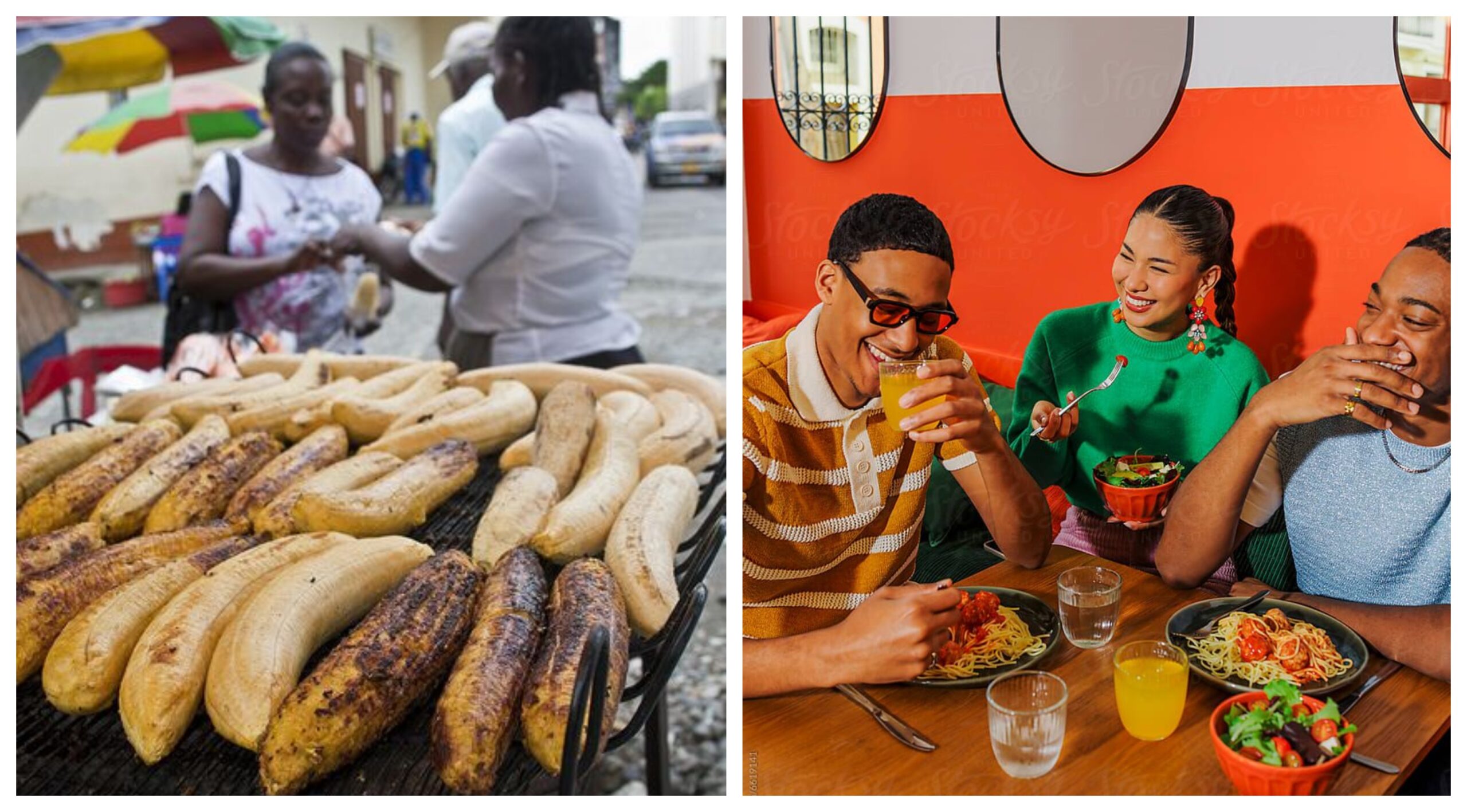
Food is more than just sustenance. It is an experience, a reflection of culture and personality. Choosing between street food and restaurant dining often comes down to what you value in the moment: speed, flavour, ambience, or comfort. Both options offer unique experiences that go beyond simply filling the stomach.
Street food is immediate, lively, and deeply connected to local culture. In cities such as Lagos, roadside vendors serve dishes that are rich in flavour and tradition. Street food is usually affordable and accessible to everyone. There is no need for reservations or formalities; you can order, eat, and continue with your day. It also allows for spontaneous discoveries of new dishes and flavours.
However, street food does have its limitations. Comfort is often minimal, with few seating options and little shelter from the elements. Hygiene standards can vary, and crowded areas may make eating less relaxed. Despite these drawbacks, many people enjoy the energy, authenticity, and informal social interactions that street food encourages.
Restaurant dining, on the other hand, provides a more structured and refined experience. In cities like London, restaurants offer carefully designed spaces, attentive service, and dishes presented with care. They are ideal for celebrations, business meetings, or quiet dinners. Restaurants provide consistency in both food quality and hygiene, ensuring a predictable and comfortable experience.
Ultimately, the choice between street food and restaurant dining depends on the occasion, mood, and budget. Street food offers spontaneity, flavour, and a connection to local life, while restaurants provide comfort, atmosphere, and refinement. Both forms of dining contribute to the richness of culinary culture, and the best option is the one that suits your appetite and experience at that moment.