

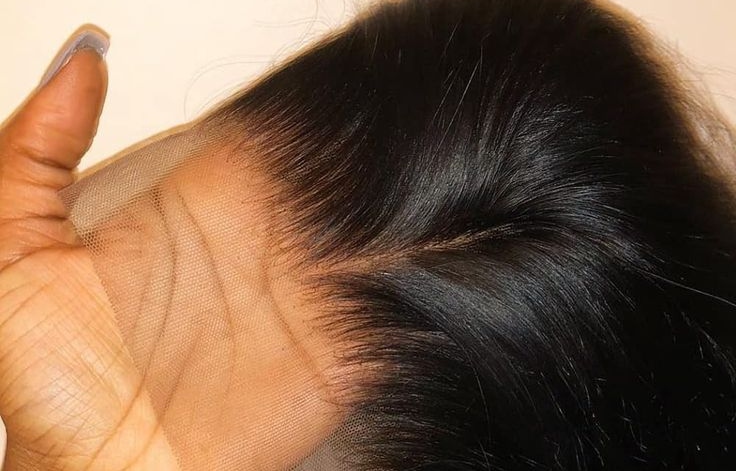
Wigs are an essential part of many women’s beauty routines, offering versatility, protection, and style. Among the most popular types are frontal and closure wigs. While both can transform your look, there are important factors to consider before purchasing to ensure you get a wig that suits your needs and lifestyle.
1. Understanding the difference
A closure wig features a small hairpiece attached to the top or front of the wig, typically covering a portion of your scalp. Frontal wigs, on the other hand, extend from ear to ear, allowing for more natural hairlines and versatile styling, including the ability to part your hair in different ways. Knowing the difference helps you choose based on the styles you want to achieve.
2. Consider your hairline and parting preferences
If you desire a natural-looking hairline and like to style your hair away from your face, a frontal wig is often the better option. Closure wigs are ideal if you prefer a fixed part or want less maintenance. Consider how frequently you plan to change your style and the type of look you want to maintain.
3. Assess the quality of hair
Whether you choose a frontal or closure wig, the quality of the hair is paramount. Look for 100% human hair for the most natural appearance and longevity. Synthetic options may be more affordable, but they can be harder to style and generally have a shorter lifespan.
4. Check the cap construction
The wig cap affects comfort and wearability. Lace fronts provide a natural hairline but may require more careful handling. Some wigs have adjustable straps and combs for a secure fit. Always ensure the cap is breathable and suits your head size to avoid discomfort.
5. Maintenance requirements
Frontal and closure wigs require different levels of care. Frontal wigs often need more attention to maintain the hairline and edges, while closure wigs can be slightly easier to manage. Consider the time you can dedicate to styling, washing, and preserving the wig.
6. Budget considerations
Quality frontal and closure wigs can be a significant investment. While it might be tempting to opt for cheaper options, lower-quality wigs may tangle, shed, or look unnatural. Decide on your budget, but weigh it against quality and durability to make a wise purchase.
7. Seek professional advice
If you’re new to wigs, consult a stylist or a reputable seller. They can guide you on the best type, hair texture, and maintenance practices based on your lifestyle and preferences.