

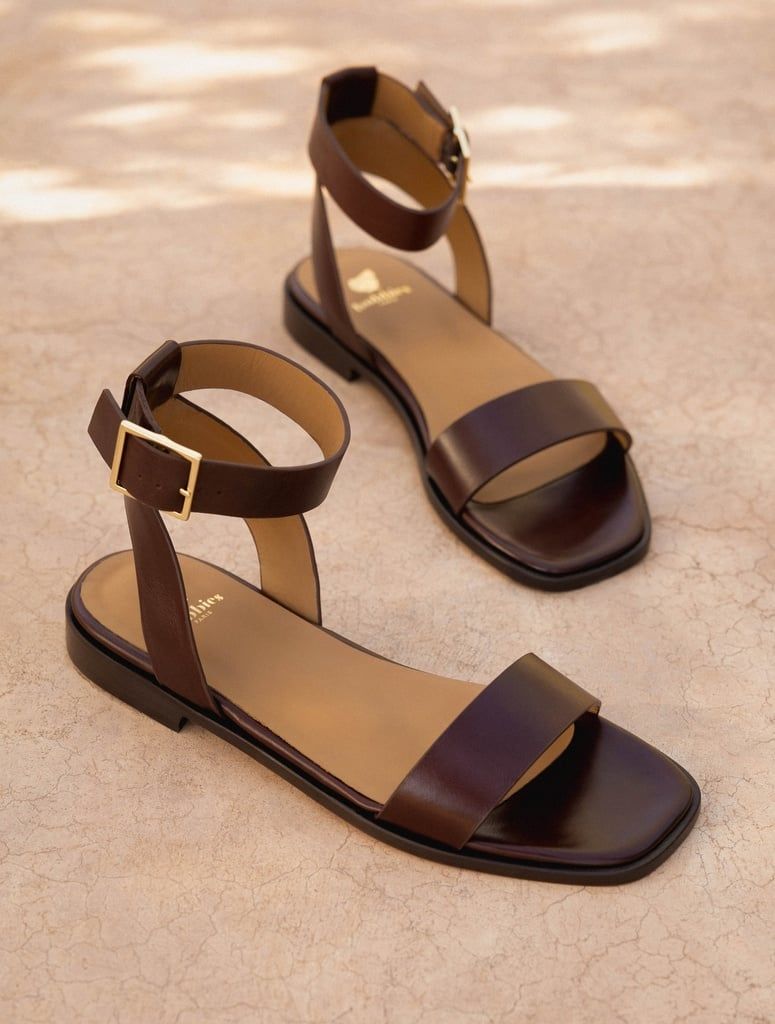
For many Nigerians, secondary school memories are incomplete without remembering the simple but unforgettable sandals that were part of everyday school life. Long before fashionable sneakers and branded footwear became common in schools, students proudly wore sturdy sandals that could survive morning assemblies, football during break time, and the long trek to and from school.
These sandals were not just footwear. They were symbols of discipline, school rules, and childhood memories shared by many generations of Nigerian students. Here are three sandals that defined the secondary school experience for many.
1. Pam Slippers
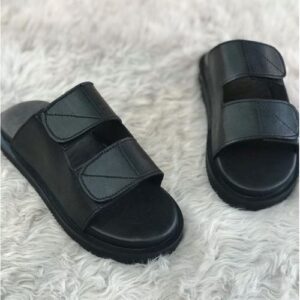
Pam slippers were perhaps the most recognisable footwear among Nigerian students in the late 1990s and early 2000s. They were simple rubber sandals with a thick sole and a strap across the front. Durable and affordable, Pam slippers became the go-to option for students whose schools allowed open sandals.
2. Bata School Sandals
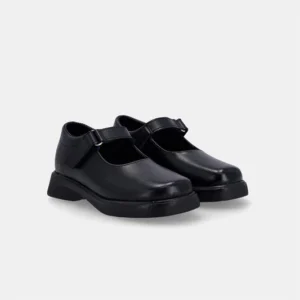
When it came to durability, the classic leather sandals from Bata were in a class of their own. Bata school sandals were considered slightly more “serious” footwear because they looked neater and more structured.
They were made from dark brown or black leather and had buckles that secured the straps firmly around the foot. Many parents preferred them because they lasted long and could handle rough school activities.
For some students, owning Bata sandals felt like a small upgrade. They looked smart with school uniforms and were often worn for several school terms before needing replacement.
3. Fisherman Sandals
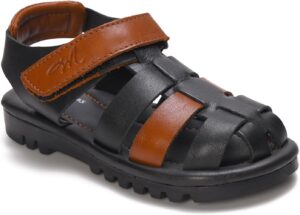
Another popular option was the classic fisherman style sandal. These had several leather straps covering the front of the foot with small openings that allowed air to pass through. They usually had a buckle at the side and a strong sole that made them suitable for everyday use.
Fisherman sandals were particularly common in schools that required covered footwear but still allowed sandals instead of shoes. They offered a balance between comfort and modesty while still fitting school dress codes.
Because of their design, they also protected the toes better than open slippers, making them practical for students who were constantly running around.
Looking back today, these sandals represent a simpler time in Nigerian school life.