

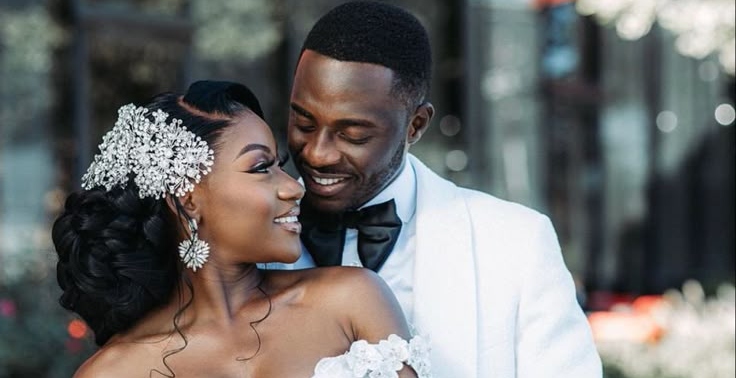
In Nigeria, weddings are not small affairs. They are colourful, loud in the best way, and full of extended family, neighbours, colleagues and “family friends” you have known since childhood. Choosing to hold yours on a public holiday can be a smart move, but only if you plan it well.
From Independence Day to Eid celebrations and Christmas, here is how to organise your wedding successfully on a Nigerian public holiday.
- Choose the right holiday
Not all public holidays carry the same weight culturally or religiously. In Nigeria, common options include:
-
New Year’s Day (1 January)
-
Eid al-Fitr and Eid al-Adha
-
Good Friday and Easter Monday
-
Independence Day (1 October)
-
Christmas Day (25 December)
Religious holidays, particularly Eid and Christmas, can be beautiful wedding dates. However, remember that many families already have strong traditions attached to those days. Some guests may prefer to spend the time within their immediate households.
Think carefully about your audience. A holiday that works perfectly for one family may be inconvenient for another.
- Book vendors very early
Public holidays are prime dates for:
-
Weddings
-
Naming ceremonies
-
Church programmes
-
Corporate end-of-year parties
-
Family reunions
In cities like Lagos, Abuja, Port Harcourt and Ibadan, venues can be fully booked a year ahead for festive periods.
Secure your hall, caterer, decorator, MC and photographer as soon as you confirm your date. Holiday surcharges are common, so factor that into your budget.
- Prepare for higher costs
In Nigeria, transport fares, hotel rates and even food items may increase around public holidays. Suppliers may charge extra because:
-
Staff earn holiday pay
-
Traffic increases logistics costs
-
Demand is higher
If you are planning a large traditional and white wedding combination, your budget must reflect the season. Avoid underestimating costs simply because the date seems convenient.
- Consider traffic and travel logistics
Public holidays in Nigeria often mean heavy travel. People move from cities to their hometowns, especially during Christmas, Easter and Eid.
If your wedding is in your hometown, great; guests may already be around.
If it is in a major city, expect traffic delays.
Send invitations early. Share clear directions. Consider:
-
Providing hotel recommendations
-
Organising shuttle buses
-
Starting on time (or as close as realistically possible in Nigerian wedding terms)
- Respect religious sensitivities
If your wedding falls on a religious holiday:
-
Confirm that your church or mosque permits ceremonies that day.
-
Be mindful of prayer times during Islamic holidays.
-
Understand that clergy may have additional commitments.
For example, Christmas Day weddings may need to work around church services. Eid celebrations may involve extended family obligations before guests can attend your event.
Plan around these realities rather than ignoring them.
- Use the holiday atmosphere to your advantage
One benefit of a Nigerian public holiday wedding is the built-in celebratory mood.
-
Independence Day weddings can include subtle green-and-white elements.
-
Christmas weddings naturally pair with warm lighting and rich décor.
-
New Year weddings carry a strong “fresh start” symbolism.
Just ensure the holiday theme complements your love story, rather than overpowering it.
- Plan for power and security
Public holidays can strain infrastructure. In some areas, power supply may fluctuate due to increased demand. Ensure:
-
Your venue has a reliable generator
-
Fuel supply is secured
-
Security personnel are confirmed
You do not want technical disruptions during your first dance or while guests are being served.
- Think about your anniversary
One major advantage of marrying on a public holiday in Nigeria is that you are more likely to be free from work each year when celebrating your anniversary.
However, note that some holidays (like Eid) shift each year based on the lunar calendar. If you prefer a fixed annual date, choose a static holiday like Independence Day or Christmas.
- Have a backup plan
Public holidays can also come with unexpected government announcements — additional public holidays, policy changes or restrictions.
Have contingency plans for:
-
Weather (especially during rainy season holidays)
-
Vendor delays
-
Travel disruptions
Flexibility is essential.
A Nigerian public holiday wedding can be vibrant, practical and symbolic. Guests are more available, the country is already in celebration mode, and the date can hold deeper meaning.
Choose wisely, prepare thoroughly, and let the day reflect your values, not just the calendar.