

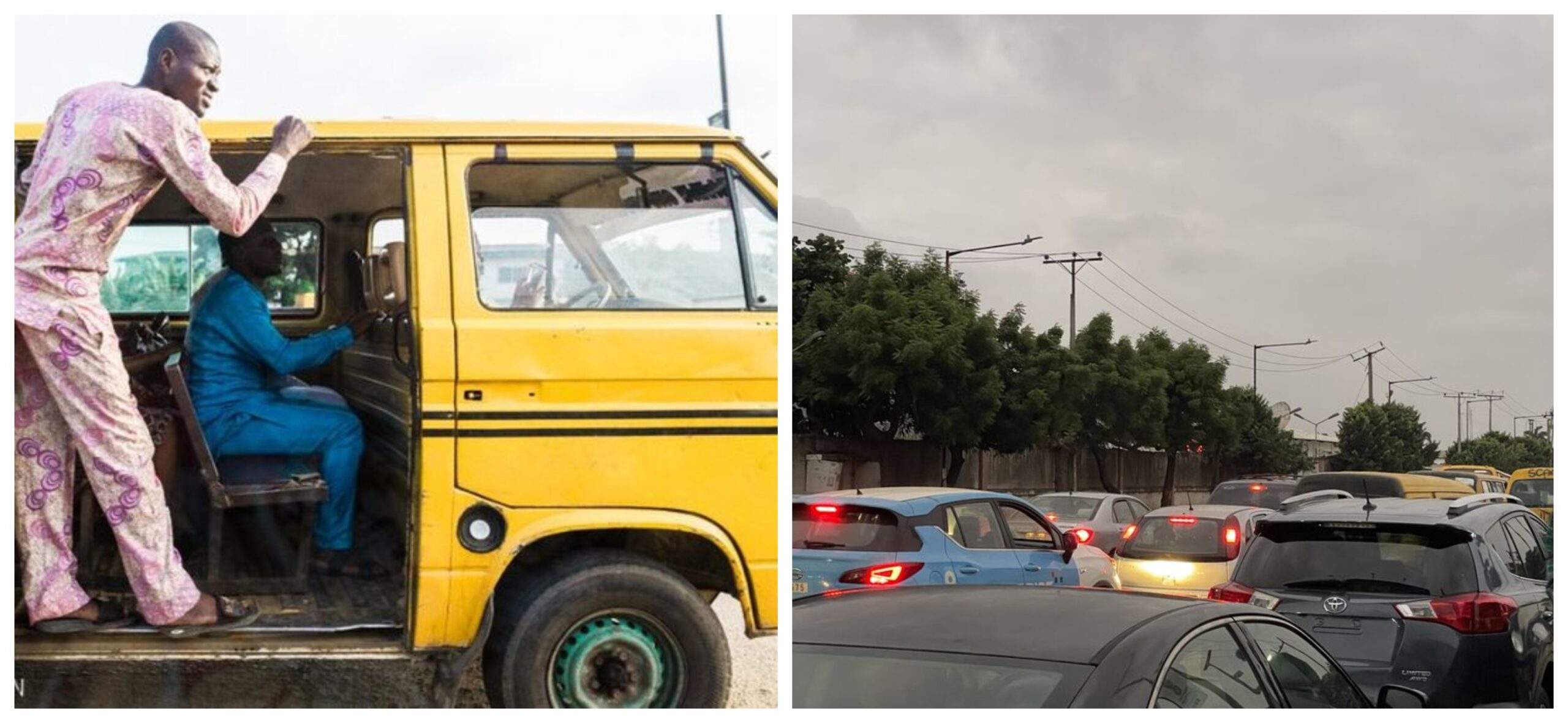
Getting from one place to another is a part of daily life. Whether it is going to work, attending school, running errands, or visiting friends, transport plays an important role in how smoothly the day unfolds. For many people, the choice often comes down to using public transport or driving a private car. Each option has its advantages and drawbacks, and the best choice often depends on personal needs, lifestyle, and location.
- Cost and Affordability
One of the biggest differences between public transport and private cars is cost. Public transport is usually far more affordable. Buses, trains, and shared taxis allow many passengers to share the cost of the journey, which makes it cheaper for individuals.
Owning a private car, on the other hand, involves several expenses. There is the initial cost of buying the car, along with fuel, maintenance, insurance, and repairs. Parking fees can also add to the cost, especially in busy cities.
For many people who are trying to save money or manage a tight budget, public transport often makes more financial sense.
- Convenience and Comfort
A private car offers a level of comfort and control that public transport cannot always match. With your own vehicle, you can travel whenever you want, choose your route, and avoid waiting at bus stops or train stations. You also enjoy privacy and personal space.
Public transport, however, can sometimes involve waiting, delays, or crowded vehicles, especially during rush hours. In some cities, routes may not connect easily, which can make journeys longer.
That said, many people enjoy the fact that they do not have to worry about driving, navigating traffic, or finding parking when they use public transport.
- Environmental Impact
Environmental concerns are becoming more important around the world. Public transport generally produces fewer carbon emissions per passenger because many people travel in the same vehicle.
Private cars contribute more to air pollution and traffic congestion, particularly when only one person is travelling in the vehicle. In large cities, this can create serious environmental challenges.
Encouraging the use of buses, trains, and other shared transport options is often seen as a way to reduce pollution and improve air quality.
- Traffic and Road Congestion
Cities with a high number of private cars often struggle with heavy traffic. Long queues of vehicles can slow down movement and make journeys stressful.
Public transport helps reduce the number of vehicles on the road. A single bus can carry dozens of passengers who might otherwise travel in separate cars. This can make roads less crowded and help people reach their destinations faster.
- Accessibility and Coverage
In some areas, public transport networks are well organised and reliable. Trains and buses run regularly and connect many parts of the city. In such places, it can be easy to move around without owning a car.
However, in other areas, especially smaller towns or developing regions, public transport may not reach every neighbourhood. When this happens, a private car becomes more practical and sometimes necessary.
The debate between public transport and private cars is not always about choosing one over the other. Both options serve important purposes in modern society.
Public transport offers affordability, environmental benefits, and reduced congestion. Private cars provide convenience, flexibility, and comfort.
In many cases, a balanced approach works best. People may rely on public transport for daily commuting while using private cars for special trips or family outings. The most effective transport system is one that gives people different options to move around safely, comfortably, and efficiently.