


Step into a modern kitchen and you are likely to find appliances that can chop, blend, whisk, steam and even cook an entire meal with little effort. Preparing food has become faster and more convenient than ever before. Yet, not so long ago, many of these tasks depended on simple utensils, patience and physical effort.
The evolution of kitchen tools tells the story of changing lifestyles, technological advancement and the desire to make everyday life easier. While many traditional cooking utensils have disappeared from daily use, they remain powerful reminders of how previous generations prepared meals with skill and care.
- The mortar and pestle
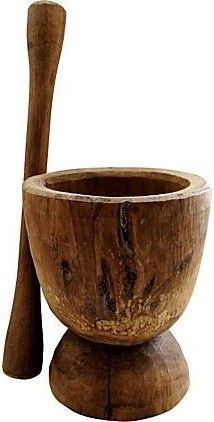
For many families, the mortar and pestle was one of the most important kitchen tools. It was used to pound peppers, spices, herbs and even yams. Preparing ingredients required strength and rhythm, and the sound of pounding often echoed through neighbourhoods.
Today, electric blenders and food processors have largely taken over this role. They complete the same task in a fraction of the time, although many people still believe that ingredients pounded by hand produce a richer flavour and better texture.
- Grinding stones
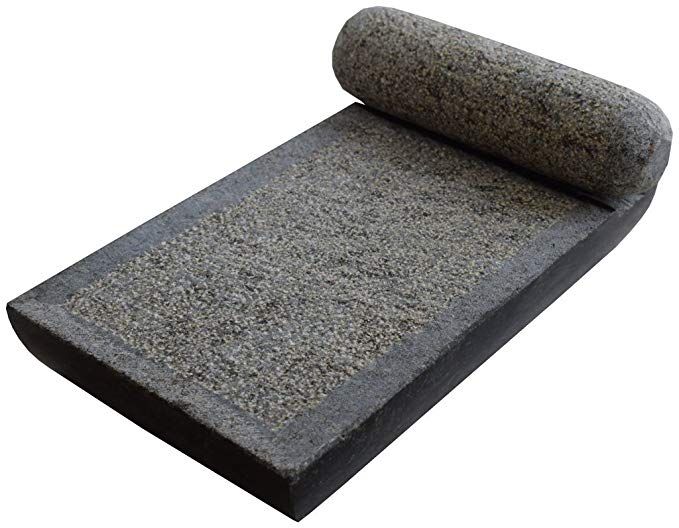
Long before powerful blenders became common, grinding stones were used to make smooth pastes from tomatoes, peppers, beans and grains. The process demanded patience and skill, but the results were often worth the effort.
Modern blenders have replaced grinding stones in most homes, offering speed and convenience while reducing the physical labour involved in food preparation.
- Coal pots and kerosene stoves
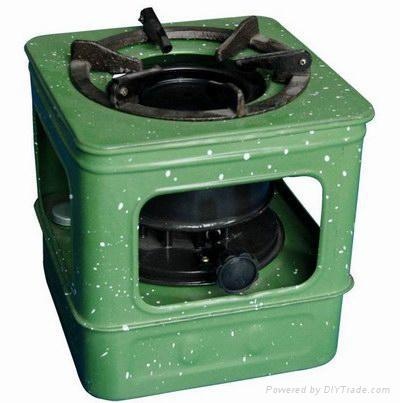
Cooking once relied heavily on coal pots and kerosene stoves. Families carefully managed fuel supplies and monitored cooking temperatures without digital controls or automatic timers.
Gas cookers, electric hobs and induction cookers have transformed meal preparation. They provide better temperature control, improve efficiency and produce less smoke, making kitchens cleaner and more comfortable.
- Hand egg beaters
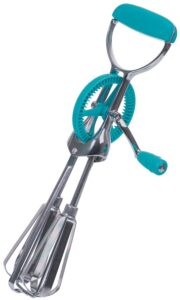
Before electric mixers became household essentials, eggs, cream and cake mixtures were beaten by hand using manual whisks or rotary egg beaters. Preparing cakes often required considerable effort and patience.
Electric stand mixers and hand mixers now perform these tasks quickly and consistently, making baking more accessible to home cooks.
- Manual can openers
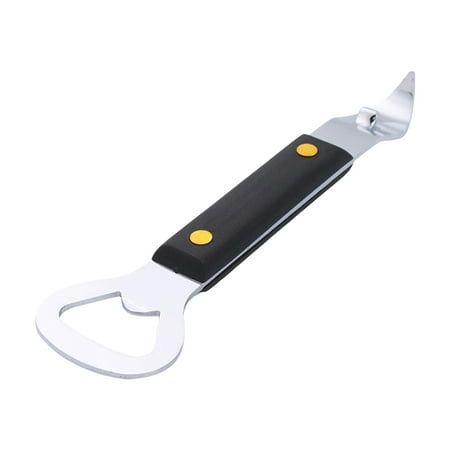
Opening a tin once required a sturdy manual can opener and a steady hand. While these tools are still available, many tins now come with easy-open lids, reducing the need for additional equipment.
- Hand graters
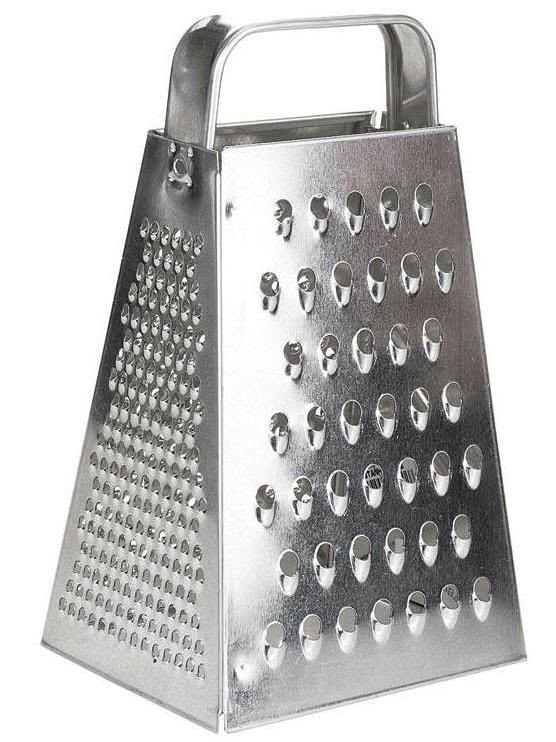
Grating coconut, cheese or vegetables was once done entirely by hand. It was a slow process that demanded care to avoid injury.
Electric graters and food processors now complete the task in seconds, saving both time and effort.
- Traditional sieves
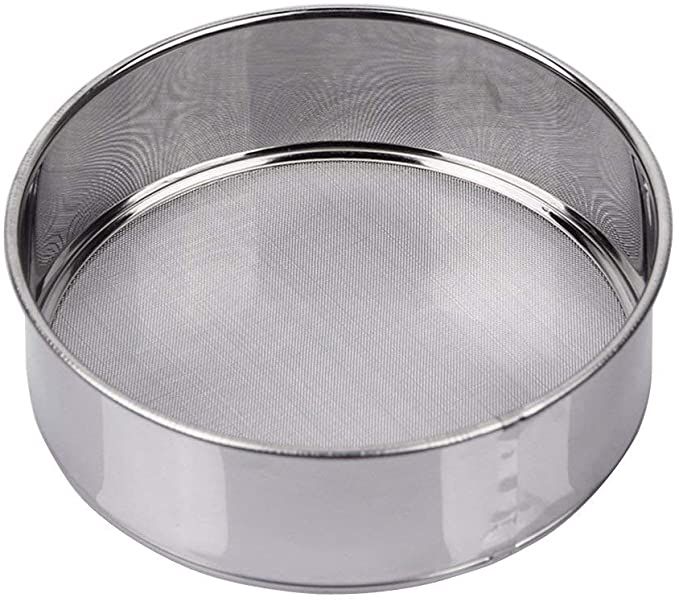
Preparing smooth soups, pap, or other dishes often involved passing ingredients through woven or metal sieves by hand. This process required patience and repeated effort.
Technology has transformed the kitchen in remarkable ways. Smart ovens, air fryers, pressure cookers and multifunctional appliances continue to change how people cook, making it possible to prepare meals more quickly while using less energy.
Even so, the old utensils deserve their place in history. They laid the foundation for today’s modern kitchens and remind us that delicious meals were created long before electricity and digital technology became part of everyday life.