

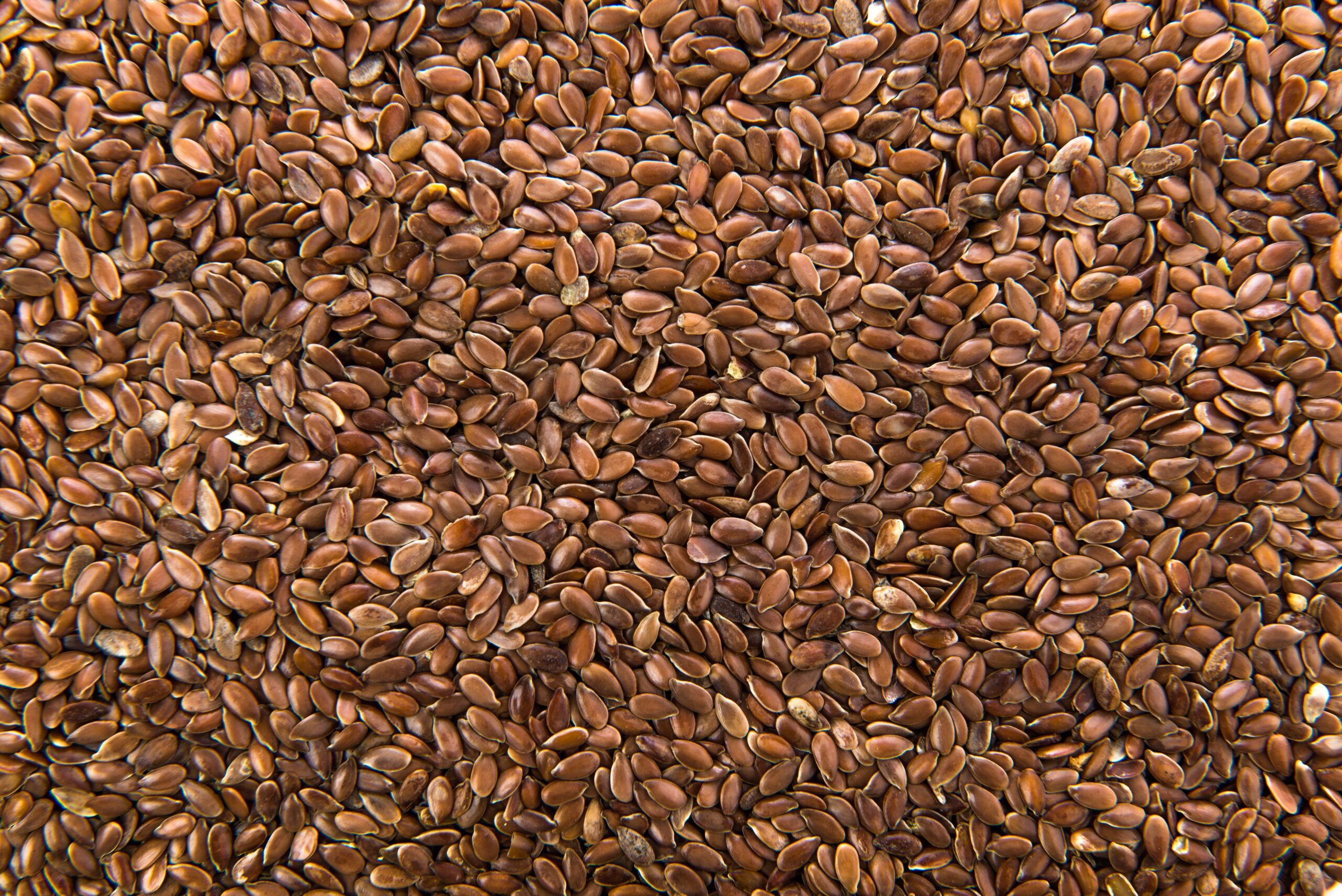
Flaxseed may be tiny, but it is packed with nutrients that can support overall health. Also known as linseed, flaxseed has been used as a food source for centuries and is now widely recognised for its fibre, healthy fats and plant-based compounds.
Whether added to porridge, smoothies, yoghurt or baked foods, flaxseed can be an easy way to add valuable nutrients to your diet. Here are some of its potential health benefits.
1. Supports digestive health
Flaxseed is an excellent source of dietary fibre. It contains both soluble and insoluble fibre, which can support regular bowel movements and contribute to a healthy digestive system.
The fibre in flaxseed also helps add bulk to stool, which may be helpful for people who struggle with occasional constipation. However, it is important to drink enough water when increasing your fibre intake.
2. May support heart health
Flaxseed contains alpha linolenic acid, a plant-based omega-3 fatty acid that plays an important role in maintaining good health.
Its fibre content may also help support healthy cholesterol levels. Including flaxseed as part of a balanced diet may therefore contribute to better cardiovascular health.
3. Helps provide essential nutrients
Flaxseed contains several important nutrients, including protein, fibre, magnesium, phosphorus and thiamine. It also provides healthy fats and plant compounds known as lignans.
These nutrients can contribute to normal body functions and make flaxseed a useful addition to a varied and balanced diet.
4. May help regulate blood sugar
The fibre in flaxseed can slow the digestion and absorption of carbohydrates. This may help reduce sharp increases in blood sugar after meals.
For this reason, adding fibre-rich foods such as flaxseed to meals can be part of a healthy eating pattern. However, flaxseed should not be considered a replacement for prescribed treatment for diabetes or other health conditions.
5. Contains antioxidants
Flaxseed is particularly rich in lignans, plant compounds with antioxidant properties. Antioxidants help protect the body’s cells from damage caused by unstable molecules known as free radicals.
A diet containing a variety of antioxidant-rich foods, including seeds, vegetables, fruits and whole grains, can support overall wellbeing.
6. May support healthy cholesterol levels
Regular consumption of fibre-rich foods can help maintain healthy cholesterol levels. Flaxseed contains soluble fibre, which may contribute to this effect.
Some studies have found that consuming flaxseed may help reduce levels of LDL cholesterol, often referred to as bad cholesterol, although results can vary depending on the amount consumed and other dietary factors.
7. May help with weight management
Flaxseed can be useful as part of a balanced diet for people trying to maintain a healthy weight. Its fibre content can help you feel fuller for longer, potentially reducing the tendency to snack excessively between meals.
However, flaxseed itself is not a weight loss food. Healthy weight management also depends on overall diet, physical activity, sleep and lifestyle habits.
8. Supports a balanced diet
One of the simplest benefits of flaxseed is its versatility. Ground flaxseed can be added to porridge, cereal, yoghurt, soups, smoothies and baked foods.
Ground flaxseed is generally easier for the body to digest than whole flaxseed, allowing you to make better use of its nutrients.
How much flaxseed should you eat?
There is no universal amount that everyone needs. A small serving can be incorporated into meals as part of a balanced diet. If you are not used to eating much fibre, introduce flaxseed gradually and drink plenty of water.
It is also worth remembering that flaxseed contains a significant amount of fat and therefore provides calories. Like other nutritious foods, it is best consumed as part of an overall balanced diet.
The greatest benefit comes from including flaxseed alongside a varied diet rich in fruits, vegetables, whole grains, legumes, nuts and other nutrient-rich foods.