

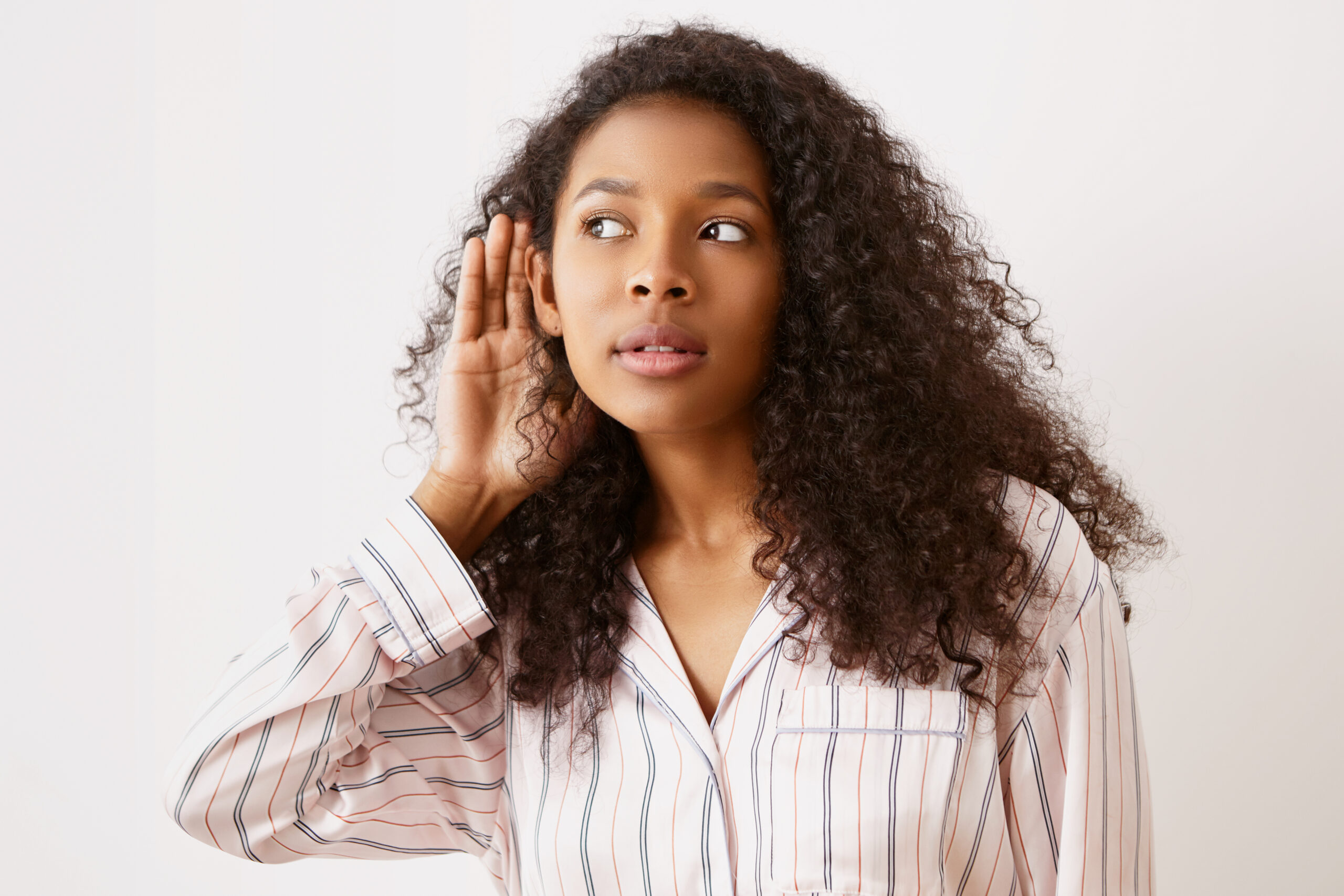
Our ears play an important role in how we communicate, interact with others and experience the world around us. From listening to music and holding conversations to hearing the sounds of nature, our hearing contributes significantly to our daily lives. However, certain lifestyle habits can gradually damage the ears, sometimes without obvious symptoms until the problem becomes serious.
Understanding these habits is an important step towards protecting our hearing and maintaining good ear health.
- Listening to loud music
One of the most common lifestyle habits that can affect hearing is listening to music at high volumes. Whether through headphones, earphones, speakers or at concerts, prolonged exposure to loud sounds can damage the sensitive structures inside the inner ear.
People who regularly listen to music at maximum volume, particularly through earphones, may be at risk of noise-induced hearing loss. This damage can develop gradually, making it difficult to notice until hearing becomes noticeably weaker.
Keeping the volume at a moderate level and taking regular listening breaks can help reduce the risk.
- Excessive use of earphones and headphones
Earphones and headphones are part of everyday life for many people, especially those who work remotely, exercise, commute or enjoy entertainment on their phones. However, listening for long periods at high volumes can put hearing at risk.
The problem is not simply wearing earphones, but the volume, duration of use and level of noise exposure. Noise-cancelling headphones may help users avoid turning up the volume in noisy environments.
It is advisable to keep listening sessions reasonable and allow the ears time away from continuous sound.
- Using cotton buds to clean the ears
Many people use cotton buds to remove earwax, believing that this is necessary for cleanliness. In reality, earwax helps protect the ear canal by trapping dust and other particles.
Pushing cotton buds into the ears can force wax deeper into the canal, cause blockages and sometimes injure the delicate skin or eardrum. Sharp objects and other improvised cleaning tools can cause even more serious damage.
The outer ear can be cleaned gently with a soft, damp cloth. If earwax causes discomfort, reduced hearing or a feeling of fullness, a healthcare professional can recommend safe removal methods.
- Exposure to loud environments
People who work in construction, manufacturing, entertainment, transportation and other noisy environments may experience frequent exposure to harmful sound levels. However, noise exposure is not limited to the workplace. Traffic, generators, loud parties and public events can also contribute to hearing damage.
Repeated exposure to loud noise can damage the tiny sensory cells responsible for transmitting sound signals to the brain. Once these cells are damaged, they do not naturally regenerate in humans.
Using appropriate hearing protection, moving away from loud sound sources and limiting the time spent in noisy environments can help protect hearing.
- Smoking and excessive alcohol consumption
Smoking exposes the body to harmful chemicals that can affect blood circulation and overall health. Research has linked smoking and exposure to second-hand smoke with an increased risk of hearing loss, although the precise relationship varies between individuals.
Excessive alcohol consumption can also affect balance and coordination. The inner ear contains structures that help the body maintain balance, and alcohol can temporarily interfere with this function.
Avoiding tobacco and limiting alcohol consumption can support overall health, including the health of the systems involved in hearing and balance.
- Poor ear care during swimming
Swimming is an excellent form of exercise, but water that remains in the ear canal can create a moist environment that encourages infection, commonly known as swimmer’s ear.
This condition may cause itching, pain, redness and sometimes discharge. People who swim frequently may be more susceptible, particularly if they have irritated ear canals or repeatedly expose their ears to contaminated water.
After swimming, gently dry the outer ears with a towel and allow water to drain naturally. Avoid inserting cotton buds or other objects into the ear canal. Anyone who experiences persistent pain or discharge should seek medical advice.
- Ignoring ear infections and hearing changes
Some people dismiss ear pain, ringing sounds, dizziness or reduced hearing, hoping that the symptoms will disappear on their own. Although some ear problems resolve without treatment, others require medical attention.
Untreated infections and certain underlying conditions can lead to complications, including hearing loss. Repeatedly experiencing ringing in the ears, difficulty following conversations or needing to increase the television volume may indicate a hearing problem.
Sudden hearing loss, particularly in one ear, requires urgent medical assessment. Prompt treatment may improve the chances of recovery.
Poor general health and inactivity
Conditions such as diabetes and high blood pressure have been associated with an increased risk of hearing loss. These conditions can affect blood vessels and other systems that support normal hearing.
A sedentary lifestyle, unhealthy dietary patterns and poor management of chronic conditions can contribute to wider health problems. Although a healthy diet and regular exercise cannot guarantee protection against hearing loss, they support general wellbeing and help manage conditions that may affect hearing.
Regular health checks, physical activity, balanced meals and appropriate medical care are therefore important parts of a healthy lifestyle.
Protecting your ears every day
Avoid turning up music to drown out background noise, use suitable hearing protection in loud environments and keep objects out of the ear canal. Have persistent ear symptoms assessed by a healthcare professional rather than relying on unverified home remedies.
It is also important to recognise that hearing loss can affect people of different ages. While ageing and certain medical conditions can contribute to hearing problems, everyday habits may increase the risk or accelerate damage.