

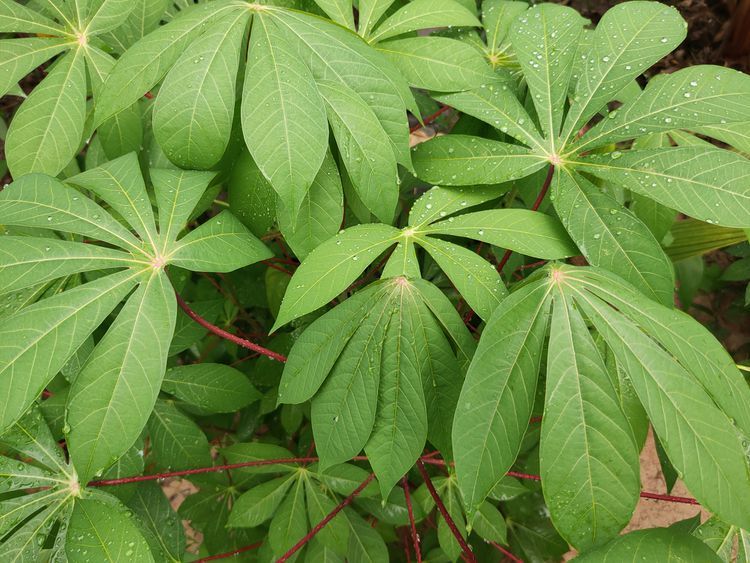
When people talk about cassava, the first thing that usually comes to mind is the tuber. Whether it is being made into garri, fufu, amala or tapioca, cassava has earned its place in many African kitchens. However, there is another part of the plant that deserves attention: its leaves.
Cassava leaves are eaten in several African countries, particularly in West and Central Africa. They are prepared as soups, sauces and vegetable dishes, often alongside fish, meat or other ingredients. Beyond their distinctive taste, cassava leaves contain nutrients that can contribute to a healthy diet.
From supporting the immune system to promoting good digestion, here are seven health benefits of cassava leaves worth knowing.
1. They are rich in vitamins and minerals
Cassava leaves contain important nutrients, including vitamin C, vitamin A precursors, iron, calcium and some B vitamins. These nutrients perform different functions in the body, from supporting healthy bones to helping the body produce energy.
Adding properly prepared cassava leaves to your meals is one way to increase your intake of essential vitamins and minerals.
2. They support a healthy immune system
Nobody enjoys falling ill, especially when everyday responsibilities do not give you enough room to rest. This is one reason why eating a balanced diet matters.
Cassava leaves contain vitamin C and other nutrients that help support the immune system. Vitamin C contributes to the normal functioning of immune cells and helps protect the body’s cells from oxidative damage.
Although cassava leaves cannot prevent every infection, including nutrient-rich vegetables in your diet can help your body maintain its natural defences.
3. They may help prevent anaemia
Iron is an important mineral that the body needs to produce haemoglobin, the protein in red blood cells responsible for transporting oxygen around the body.
Cassava leaves contain iron, making them a useful addition to meals, particularly when combined with other iron-containing foods.
However, the iron in plant foods is non-haem iron, which the body does not absorb as easily as iron from animal sources. Eating cassava leaves with vitamin C-rich foods can help improve iron absorption.
Anyone experiencing persistent tiredness, dizziness or weakness should seek medical advice rather than relying on food alone to treat possible anaemia.
4. They promote healthy digestion
Fibre plays an important role in keeping the digestive system healthy. It helps support regular bowel movements and can reduce the likelihood of constipation.
Cassava leaves contain dietary fibre, which makes them a useful vegetable to include in a balanced diet.
Eating fibre-rich foods regularly, alongside drinking enough water, can help keep your digestive system functioning properly.
5. They provide antioxidants
The body is constantly exposed to oxidative stress, which occurs when there is an imbalance between free radicals and the body’s ability to neutralise them.
Cassava leaves contain antioxidant compounds, including vitamin C and carotenoids, which help protect cells against oxidative damage.
Eating vegetables rich in antioxidants is associated with better overall health. However, cassava leaves should be considered part of a varied diet rather than a treatment for diseases.
6. They contribute to healthy bones
Calcium is essential for maintaining strong bones and teeth. It also plays a role in muscle contraction and nerve function.
Cassava leaves contain calcium, which contributes to the body’s daily calcium requirements.
Including them in your meals, alongside other calcium-rich foods such as milk, yoghurt, fish and fortified foods, can help support bone health.
7. They support healthy vision
Cassava leaves contain carotenoids, including beta-carotene, which the body can convert into vitamin A.
Vitamin A is essential for maintaining normal vision, particularly in low light. It also supports skin and immune health.
Eating a variety of carotenoid-rich vegetables can help provide the nutrients needed for healthy eyesight.
To make cassava leaves safe for consumption:
-
Do not eat cassava leaves raw.
-
Wash the leaves thoroughly.
-
Pound or finely chop them before cooking.
-
Cook them thoroughly using appropriate traditional preparation methods.
-
Ensure they are properly processed, as cooking time and preparation methods matter.
Also, remember that the safety of cassava leaves depends on proper preparation, not simply adding them to a pot of soup.
So, the next time cassava leaves make their way into your kitchen, remember that you are not just preparing another local delicacy. You are also adding a nutritious vegetable to your plate.