

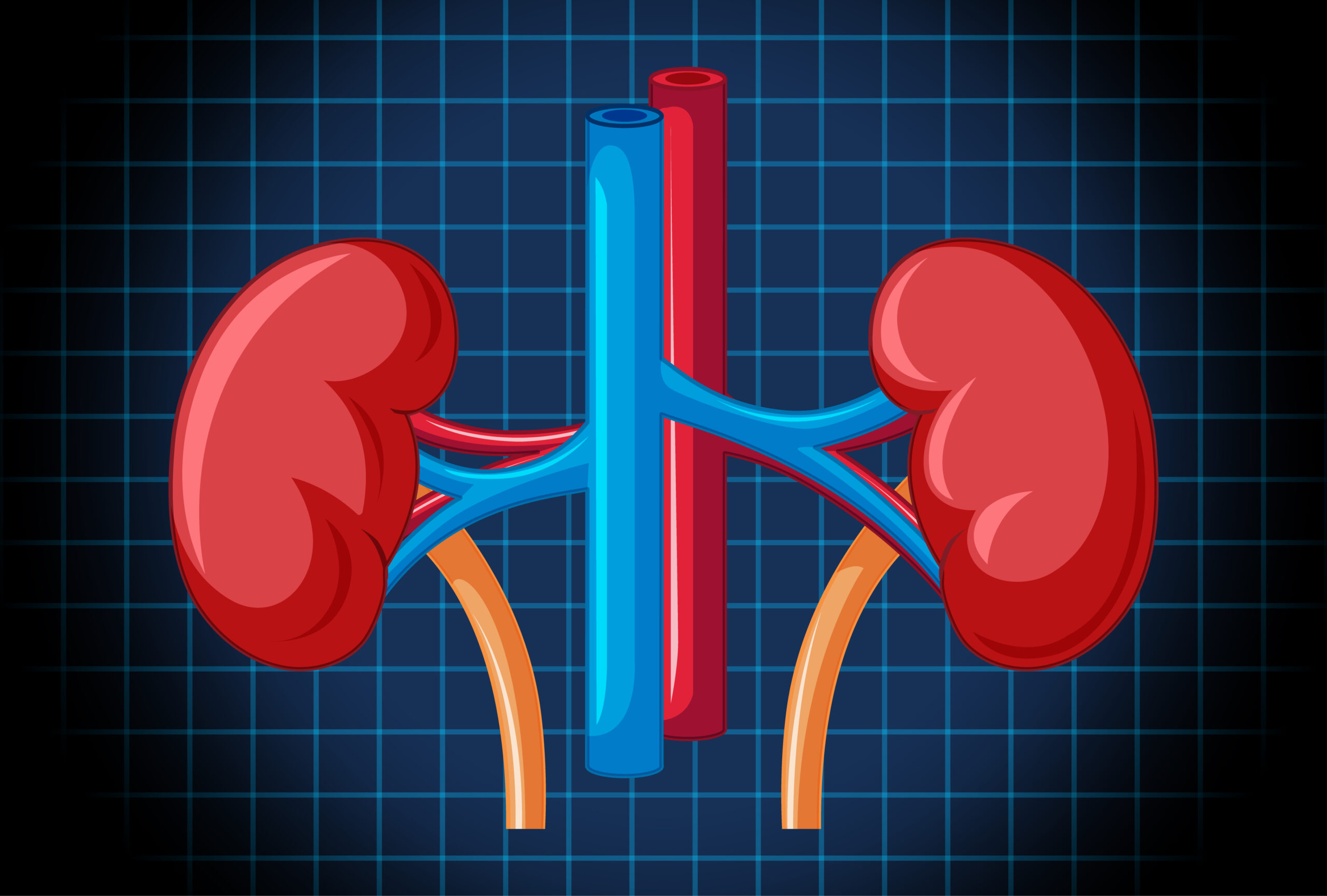
Your kidneys are among the hardest-working organs in your body, yet they are often overlooked until something goes wrong. These two small, bean-shaped organs perform several important functions, including filtering waste products and excess fluids from the blood, regulating blood pressure, balancing minerals and producing hormones that help the body function properly.
Despite their importance, many people unknowingly engage in everyday habits that put their kidneys at risk. The worrying thing is that kidney damage can develop gradually, sometimes without obvious symptoms until the condition becomes serious.
While some kidney diseases are linked to genetics and underlying medical conditions, lifestyle choices also play an important role in maintaining kidney health. Here are some common habits that could be putting your kidneys under unnecessary pressure.
1. Not drinking enough water
Water plays an important role in helping the kidneys remove waste products from the blood through urine. When you consistently drink too little water, you may become dehydrated, making it more difficult for your kidneys to function efficiently.
Dehydration can also increase the risk of kidney stones, particularly when your urine becomes highly concentrated.
Make drinking water a regular part of your daily routine. Your fluid needs may vary depending on your level of activity, the weather and your health condition. People with advanced kidney disease may also need to follow specific fluid recommendations from their doctors.
2. Eating too much salt
Excessive salt consumption is another habit that can affect kidney health. A diet high in sodium can increase blood pressure, which places additional strain on the blood vessels in the kidneys.
Over time, uncontrolled high blood pressure can damage the kidneys and reduce their ability to filter waste effectively.
Be mindful of how much salt you consume. Processed foods, instant noodles, seasoning cubes, canned foods, salted snacks and processed meats can contain significant amounts of sodium.
Try to reduce your intake of these foods and use herbs and natural spices to add flavour to your meals.
3. Frequently taking painkillers without medical advice
Painkillers may provide relief from headaches, body aches and other forms of discomfort, but frequent or excessive use of certain medications can damage the kidneys.
Non-steroidal anti-inflammatory drugs, commonly known as NSAIDs, include medicines such as ibuprofen, naproxen and diclofenac. Regular use, particularly at high doses or during dehydration, can reduce blood flow to the kidneys and cause kidney damage.
Always follow the recommended dosage and seek medical advice if you find yourself relying on painkillers frequently. Do not assume that medicines sold without a prescription are automatically safe for regular use.
4. Consuming too much processed food
Processed foods are often convenient, affordable and readily available. However, many contain excessive amounts of salt, added sugars and unhealthy fats.
Regularly consuming these foods can contribute to obesity, high blood pressure and type 2 diabetes, all of which are major risk factors for kidney disease.
Rather than making processed foods the foundation of your diet, include more fresh vegetables, fruits, whole grains and other nutritious foods in your meals.
5. Eating too much sugar
A high sugar intake can contribute to weight gain and increase the risk of developing type 2 diabetes. Diabetes is one of the leading causes of chronic kidney disease because persistently high blood sugar levels can damage the tiny blood vessels responsible for filtering waste in the kidneys.
Be mindful of sugary drinks, sweets, biscuits, cakes and other foods with added sugar. Water is a better everyday choice than fizzy drinks and heavily sweetened beverages.
6. Ignoring high blood pressure
High blood pressure is sometimes called a silent condition because it may not produce noticeable symptoms. Unfortunately, leaving it untreated can have serious consequences for your kidneys.
The kidneys contain numerous tiny blood vessels that help filter waste from the blood. When blood pressure remains consistently high, these vessels can become damaged, affecting the kidneys’ ability to function.
Check your blood pressure regularly, particularly if you have a family history of hypertension. If you have been diagnosed with high blood pressure, follow your doctor’s treatment recommendations and attend your medical appointments.
7. Living a sedentary lifestyle
Spending most of your day sitting down and doing very little physical activity can increase your risk of obesity, diabetes and high blood pressure.
These conditions can gradually affect kidney function.
You do not necessarily need an expensive gym membership to become more active. Walking, dancing, cycling, swimming and other moderate physical activities can help improve your overall health.
Aim for at least 150 minutes of moderate physical activity each week, where your health permits.
8. Smoking cigarettes
Smoking affects more than your lungs. It can also damage blood vessels throughout the body, including those that supply the kidneys.
Smoking can increase blood pressure, reduce blood flow to the kidneys and accelerate the progression of existing kidney disease.
Quitting smoking is one of the positive steps you can take to protect your kidneys and improve your general health.
9. Excessive alcohol consumption
Regularly drinking excessive amounts of alcohol can contribute to high blood pressure, liver disease and other health problems that may indirectly affect kidney function.
Alcohol can also contribute to dehydration, particularly when consumed in large quantities.
Reducing alcohol consumption or avoiding it altogether can help protect your overall health.
10. Frequently using unregulated herbal mixtures and supplements
Not everything labelled natural is necessarily safe for your kidneys. Some herbal preparations, traditional mixtures, weight loss products and supplements may contain harmful substances, undisclosed ingredients or high levels of certain minerals.
Some can also interact with prescribed medications or cause direct kidney injury.
Before taking herbal remedies or supplements regularly, speak with a qualified healthcare professional. Be particularly cautious about products that promise rapid weight loss, body cleansing or miracle cures.
11. Regularly staying up late and neglecting sleep
Sleep is important for the proper functioning of the body, including the kidneys. The body’s blood pressure follows a natural daily rhythm, and healthy sleep helps support this process.
Consistently getting insufficient sleep may contribute to high blood pressure, weight gain and metabolic problems, which can increase the risk of kidney disease.
Establish a healthy sleep routine and aim for seven to nine hours of sleep each night.
12. Ignoring the warning signs
One of the biggest mistakes people make is ignoring unusual changes in their bodies. Kidney disease may not produce obvious symptoms in its early stages, but certain signs should never be dismissed.
These include swelling around the ankles, feet or eyes, changes in urination, persistent tiredness, blood in the urine, foamy urine and unexplained nausea.
However, these symptoms do not automatically mean you have kidney disease. They may be associated with other health conditions and should be assessed by a medical professional.
If you have diabetes, high blood pressure or a family history of kidney disease, ask your doctor whether you need regular kidney function tests. Blood and urine tests can help identify problems before they become severe.
Your kidneys work continuously to keep your body healthy, and protecting them requires more than making changes when you become ill.
It is also important to avoid self-medication and seek professional advice before taking medicines or supplements regularly.