

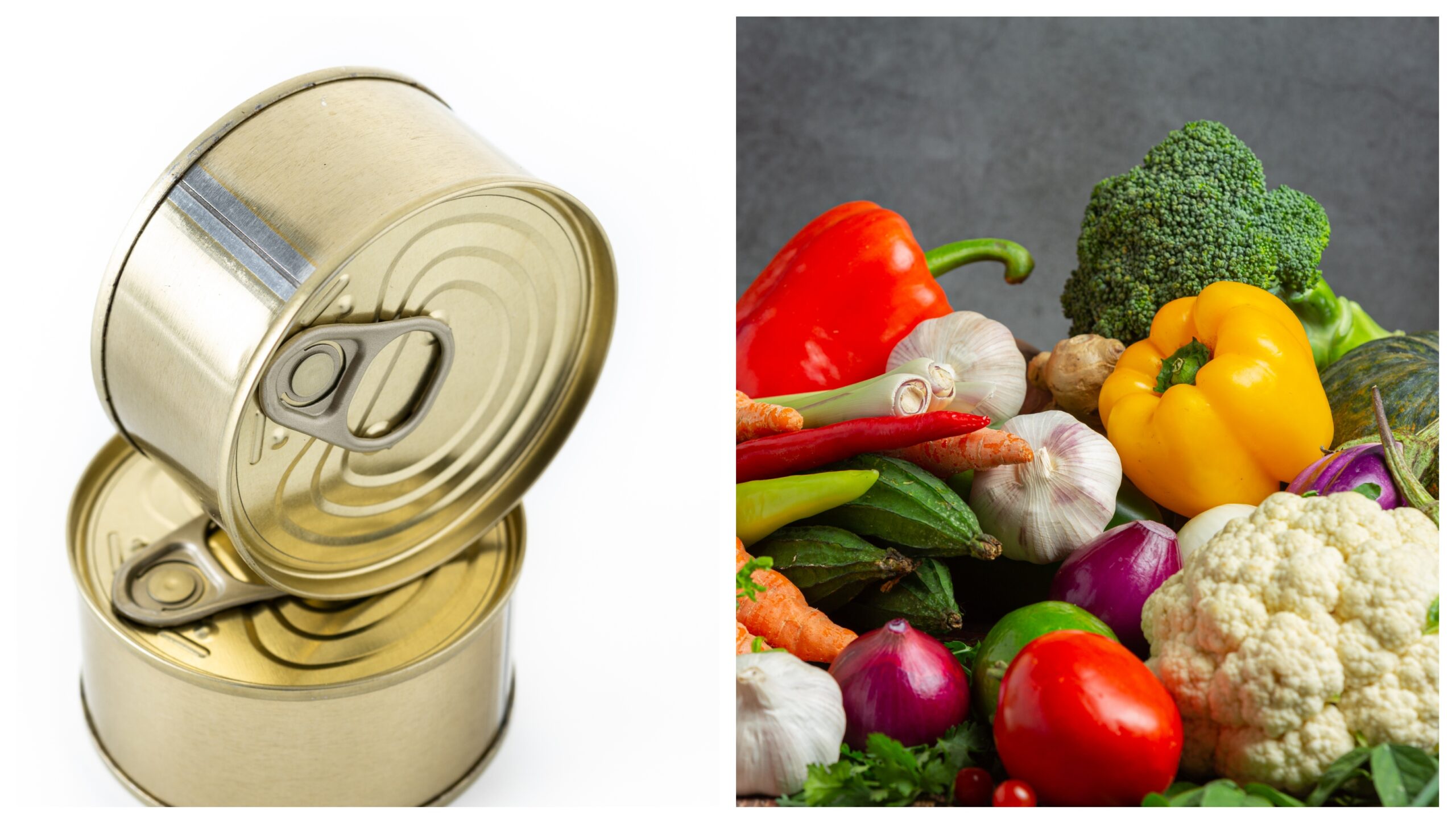
Walk into any food market or supermarket and you will find a wide variety of options to choose from. From fresh tomatoes, vegetables, fruits and fish to canned beans, sweetcorn, sardines and tomatoes, there is something for every kitchen and budget. However, when it comes to choosing between fresh foods and canned foods, which option is better?
The answer depends on several factors, including nutritional value, cost, convenience, storage and personal preference. Understanding the differences can help you make better decisions about what you eat and how you stock your kitchen.
Understanding fresh foods
Fresh foods are foods that have not been preserved through canning or other long-term preservation methods. They include fruits, vegetables, meat, fish, eggs and other ingredients that are commonly purchased from markets, farms and grocery shops.
One of the biggest advantages of fresh foods is their taste and texture. Freshly picked vegetables, ripe fruits and recently caught fish can add natural flavour and variety to meals. Many fresh fruits and vegetables also contain vitamins, minerals, fibre and antioxidants that support good health.
Fresh foods allow you to prepare meals according to your taste. You can control the amount of salt, sugar, oil and seasoning used during cooking. Buying fresh produce that is in season may also help you save money while enjoying better quality ingredients.
However, fresh foods have their disadvantages. They can spoil quickly, particularly in hot weather or when they are not stored properly. This can lead to food waste and additional expenses. Some fresh ingredients also require frequent shopping, cleaning and preparation, which may be inconvenient for people with busy schedules.
Understanding canned foods
Canned foods are foods preserved in sealed containers to extend their shelf life. Common examples include canned tomatoes, beans, peas, sweetcorn, sardines, tuna and fruit.
One major benefit of canned foods is convenience. They are often ready to use, reducing the time spent washing, peeling, chopping or cooking certain ingredients. Canned beans, for instance, can be added to a meal without the lengthy soaking and cooking process required for dried beans.
Canned foods can also be useful when fresh ingredients are unavailable or expensive. They are generally easy to store and can remain usable for months or years when unopened and stored according to the manufacturer’s instructions.
Another advantage is that canning can preserve many nutrients. Although some vitamins, particularly vitamin C and certain B vitamins, may decrease during processing, other nutrients, including fibre and minerals, can remain well preserved. Canned tomatoes, for example, can provide useful nutrients and are convenient for preparing stews and sauces.
Nevertheless, not all canned foods are equally healthy. Some contain added salt, sugar or sauces that may increase their sodium or sugar content. It is important to read food labels and compare products before making a purchase.
Nutritional value: Is fresh always better?
There is a common belief that fresh foods are always more nutritious than canned foods. While fresh produce can be highly nutritious, the reality is more complicated.
The nutritional value of fresh foods depends on factors such as when they were harvested, how long they have been stored and how they are prepared. Some fruits and vegetables lose certain vitamins during transportation and storage.
Canned foods are often processed shortly after harvesting, which helps preserve some of their nutritional value. Although the canning process can reduce certain heat-sensitive vitamins, many essential nutrients remain available.
The type of food also matters. Fresh fish and canned sardines can both provide protein and other important nutrients. Canned sardines with edible bones can be a useful source of calcium, while fresh vegetables offer variety and can provide important vitamins and fibre.
Rather than assuming that one category is always superior, consider the nutritional content of each food, its ingredients and how it fits into your overall diet.
Cost and convenience
For many households, the decision between fresh and canned foods comes down to affordability and convenience.
Fresh foods can be economical when purchased in season or in quantities that can be consumed before they spoil. However, frequent price changes, transportation costs and spoilage can make some fresh ingredients expensive.
Canned foods offer the advantage of longer storage and can reduce waste when used appropriately. They are particularly helpful for people who cannot visit the market regularly or need ingredients available at short notice.
When comparing prices, consider the amount of food you can actually use. A cheaper fresh ingredient may become more expensive if a large portion spoils before you have the chance to cook it. Similarly, compare the drained weight of canned foods with the usable quantity of fresh alternatives.
Planning meals before shopping can help you avoid unnecessary purchases and make better use of both options.
Food safety and storage
Food safety is important whether you choose fresh or canned foods.
Fresh fruits and vegetables should be washed under clean running water before consumption or preparation. Perishable foods such as meat, fish and dairy products should be refrigerated promptly and stored at appropriate temperatures.
Canned foods should be stored in a cool, dry place. Before purchasing, inspect the container for damage. Avoid cans that are swollen, leaking, badly dented around the seams or heavily rusted. Such damage may compromise food safety.
Once a can has been opened, unused contents should be transferred to a suitable covered container if necessary, refrigerated promptly and consumed within the recommended period. Always follow the storage instructions on the label.
It is also worth remembering that canned foods are not automatically unhealthy, just as fresh foods are not automatically safe. Proper handling and storage matter in both cases.
Which should you choose?
The good news is that you do not have to choose one over the other. A balanced kitchen can contain both fresh and canned ingredients.
Buy fresh fruits and vegetables that you enjoy and can consume before they spoil. Keep canned beans, tomatoes, fish and vegetables available for days when you need to prepare meals quickly.
Where possible, choose canned products with little or no added salt or sugar. For canned vegetables and beans, draining and rinsing them can help reduce some of the sodium. For canned fruit, choose options packed in water or natural juice rather than heavy syrup.
You can also freeze fresh produce that you cannot use immediately, provided it is suitable for freezing and stored correctly. This helps preserve food and reduce waste.
Most importantly, aim for variety. Include fruits, vegetables, whole grains, protein sources and other nutritious foods in your meals, regardless of whether some ingredients come fresh or from a can.
The verdict
Fresh foods and canned foods both have a place in a healthy lifestyle. Fresh ingredients offer flavour, variety and flexibility, while canned foods provide convenience, a longer shelf life and access to nutritious ingredients throughout the year.
The best choice is not necessarily the freshest or the most expensive product. It is the food that meets your nutritional needs, fits your budget, can be stored safely and is likely to be eaten rather than wasted.