

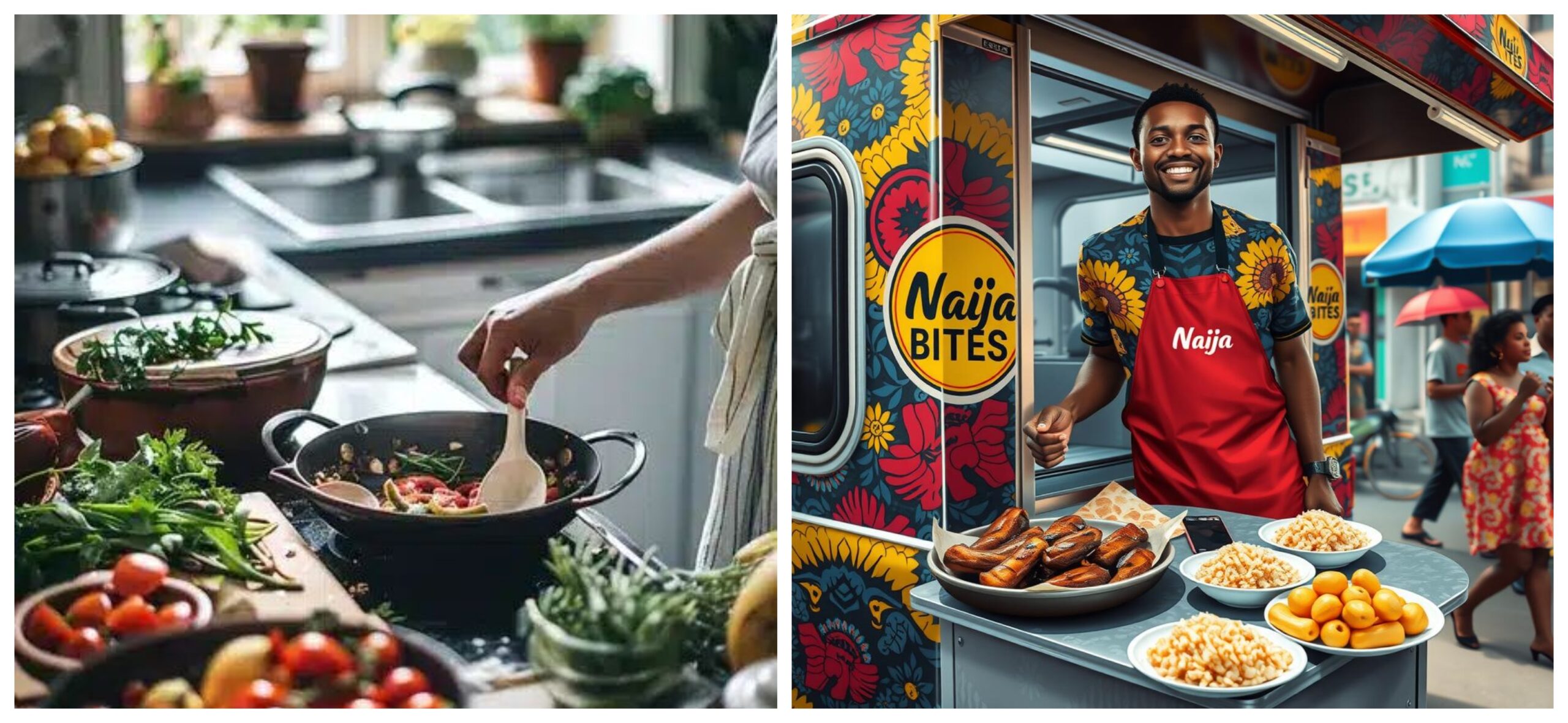
In Nigeria, food is never just about sustenance. It is culture, identity and memory served on a plate. Whether it is a carefully prepared pot of soup simmering in a home kitchen or a steaming plate of rice dished out at a bustling roadside buka, every meal tells a story. The choice between homemade food and buka meals is one many Nigerians make almost daily, often without even thinking twice. Yet, beneath that routine decision lies a deeper conversation about convenience, cost, health and connection.
- The comfort of homemade food
There is something deeply personal about food prepared at home. It carries intention. From selecting fresh ingredients in the market to the familiar rhythm of stirring a pot, homemade meals reflect care and control. You know exactly what goes into your food, how it is cooked and the level of hygiene maintained.
For many, homemade food is tied to memory. The aroma of egusi soup or jollof rice cooking on a Sunday afternoon can take you back to childhood in an instant. It is also easier to tailor meals to personal preferences or dietary needs. Less oil, more vegetables, reduced spice. The kitchen becomes a space where health and taste can meet on your own terms.
However, homemade meals demand time and effort. Between long commutes, demanding jobs and the pace of life in cities like Abuja or Lagos, cooking daily is not always practical. There is also the rising cost of ingredients, which has made regular home cooking more challenging for many households.
- The allure of the buka
On the other side is the buka. Vibrant, accessible and full of character. A buka is more than a place to eat. It is a social hub where conversations flow as freely as the stew. From workers on lunch breaks to travellers seeking a quick meal, the buka welcomes everyone.
The appeal is clear. Buka food is fast, affordable and often very tasty. The meals are rich, well-seasoned and cooked in large quantities, giving them a depth of flavour that many believe is difficult to recreate at home. There is also a variety. On any given day, you can find amala with ewedu, pounded yams with ogbono or a plate of rice paired with assorted meat, all ready within minutes.
For those constantly on the move, bukas offer relief. There is no planning, no cooking and no cleaning. Just good food when you need it.
That said, there are concerns. Hygiene standards can differ from one buka to another. The generous use of oil and seasoning cubes may not always support long-term health goals. You also give up control over ingredients and preparation methods, which may not suit everyone.
Cost, Convenience and Lifestyle
The decision between homemade food and buka meals often comes down to lifestyle. For a busy professional, the buka may be the practical option during the week, while weekends are reserved for home cooking. For students or low-income earners, affordability can shift the balance depending on current food prices.
Interestingly, the cost difference is no longer as wide as it used to be. With inflation affecting food prices, some homemade meals can cost as much as, or even more than, eating at a buka, especially when cooking in small quantities.
Finding a balance
Perhaps the answer is not choosing one over the other, but finding a balance. Homemade food offers control, comfort and a sense of grounding. Buka meals provide convenience, variety and a connection to everyday life.
A balanced approach might involve cooking when time allows and relying on bukas when needed. Paying attention to where you eat, how often and what you choose can help you enjoy both options without compromise.
In the end, whether it is a quiet meal at home or a lively lunch at a buka, what matters is the experience. Food remains one of the simplest ways Nigerians connect with themselves and with each other.