

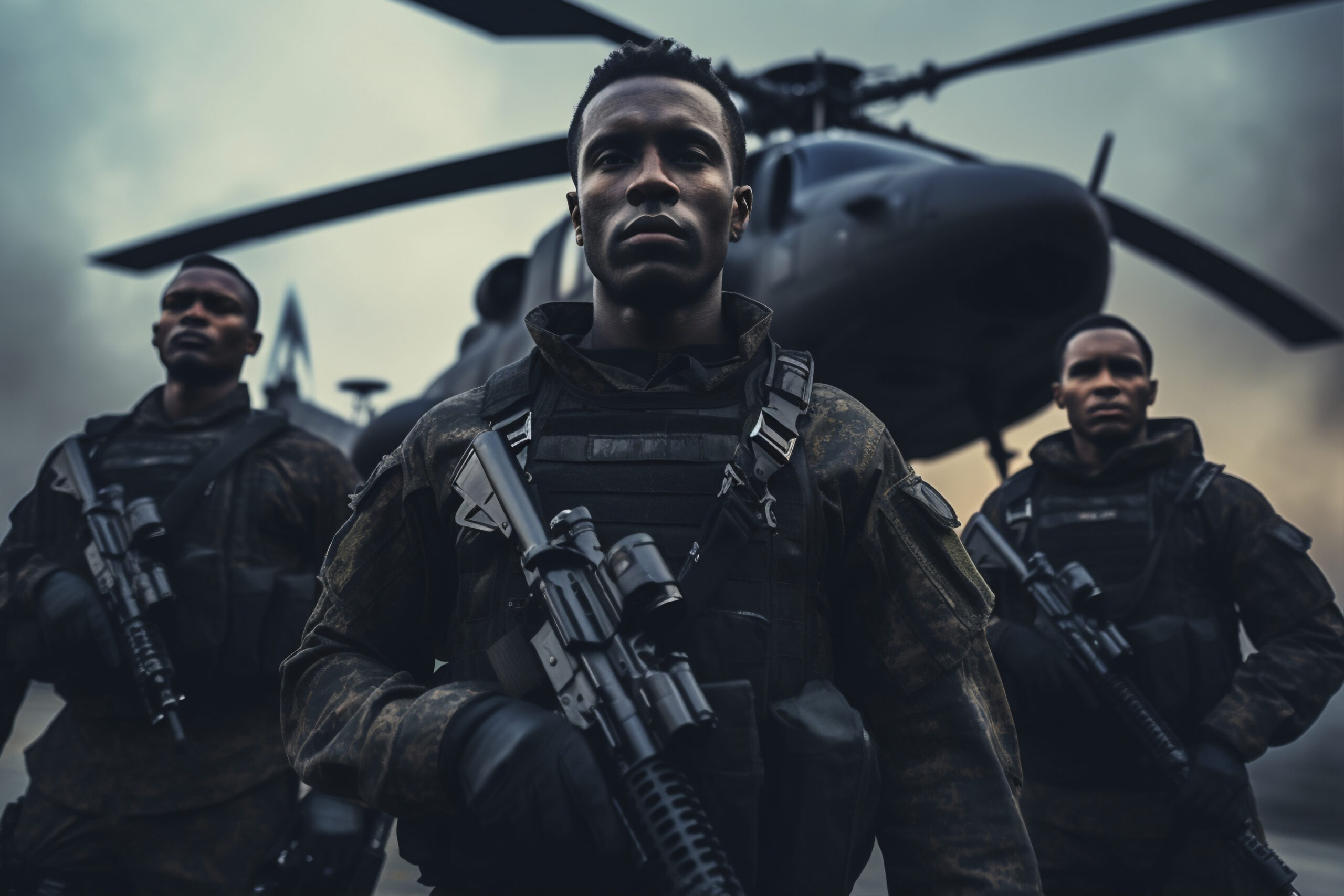
Across different parts of the world, military governments continue to shape national politics. In some countries, the armed forces took power through coups, while in others the military remains deeply involved in governance despite the presence of civilian institutions.
Military rule often emerges during periods of political instability, economic hardship, corruption scandals, or security crises. Supporters sometimes argue that soldiers can restore order and discipline, while critics warn that military governments often weaken democracy, restrict freedoms, and delay national development.
Here are some countries that have experienced or are currently experiencing military leadership in recent years.
- Myanmar

Myanmar has remained one of the most talked-about examples of military rule in recent times. In 2021, the military seized power from the elected civilian government, claiming there were irregularities in the election process. The takeover led to widespread protests, violent crackdowns, and international condemnation.
The military leadership introduced emergency measures and tightened control over political activities. The country has since faced unrest, economic decline, and humanitarian challenges.
- Burkina Faso

Burkina Faso has witnessed repeated military interventions in politics. Security challenges linked to extremist violence contributed to public dissatisfaction with civilian leadership. In recent years, military officers removed elected leaders and promised to restore stability.
The government has focused heavily on security operations, although concerns remain about democratic governance and press freedom.
- Mali

Mali has also experienced military takeovers in recent years. Political tensions, insecurity, and dissatisfaction with government performance created an environment that allowed the military to step in.
The military administration has delayed elections several times while insisting that national security reforms must come first. The situation has strained relations with some international partners.
- Niger
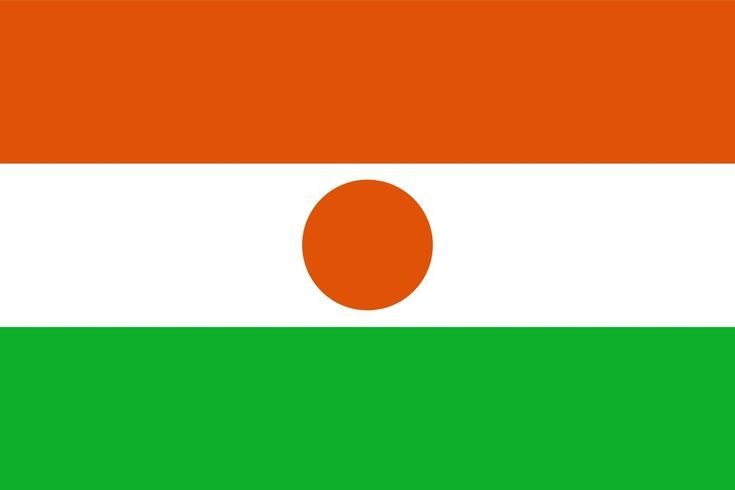
Niger joined the list of countries under military leadership after a coup that removed the elected president. The takeover attracted global attention because of Niger’s strategic role in regional security and international partnerships.
Following the coup, regional organisations imposed sanctions and called for a return to civilian rule. The military authorities, however, defended their actions by pointing to security and governance concerns.
- Guinea

Guinea has also been under military leadership after soldiers overthrew the civilian government. The coup leaders accused the previous administration of corruption and poor governance.
Since taking power, the military government has promised constitutional reforms and a transition back to democracy, although many citizens remain uncertain about how long the process may take.
- Sudan
Sudan has experienced prolonged military influence in politics. After years of political unrest, military leaders shared power with civilians for a transitional period, but tensions later erupted into conflict.
The country has faced severe instability, humanitarian crises, and clashes between rival armed groups, making the path to democratic governance increasingly difficult.
- Chad

Chad came under military leadership following the death of longtime president Idriss Déby in 2021. A military council led by his son assumed control, arguing that it was necessary to maintain stability and security.
Although transition plans were announced, debates continue over the speed and sincerity of efforts to return to civilian governance.
Why military governments emerge
Military governments often arise when citizens lose confidence in civilian leaders. Common triggers include corruption, disputed elections, economic hardship, insecurity, and weak institutions. In some cases, the military presents itself as a temporary stabilising force.
However, history shows that military governments frequently face criticism for limiting political freedoms, suppressing opposition voices, and extending their stay in power beyond initial promises.
The debate around military rule
Opinions on military leadership vary widely. Some people believe military rulers can enforce discipline and act quickly during crises. Others argue that democratic institutions, despite their flaws, remain the best path for accountability, human rights, and sustainable development.
In many countries, citizens continue to demand transparent elections, strong institutions, and civilian control over governance as essential foundations for national progress.