

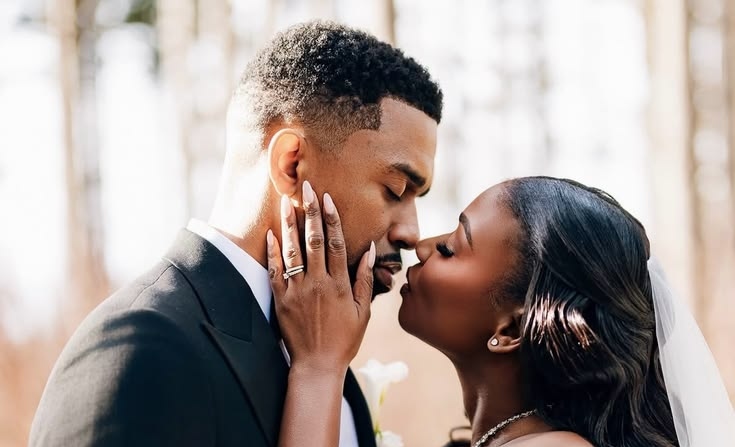
Marriage is more than a beautiful ceremony, a stunning outfit or a room filled with family and friends. It is a commitment between two people who have chosen to build a life together. However, in Nigeria, couples often have to decide how they want to formalise that commitment. Should they have a court marriage, a traditional marriage, a religious marriage, or perhaps all three?
Each form of marriage has its own significance, and the answer to which is most important depends on what the couple values most.
Court marriage: The legal foundation
A court marriage, also known as a statutory marriage, is recognised by Nigerian law. It provides couples with legal documentation of their union and establishes specific legal rights and responsibilities.
For many couples, this is particularly important because of issues such as inheritance, property ownership, next of kin and other legal matters. It can also provide clarity when dealing with institutions that require evidence of a legally recognised marriage.
While a court wedding may not come with the elaborate celebrations associated with traditional or religious ceremonies, its legal significance should not be underestimated.
Traditional marriage: Honouring culture and family
Traditional marriage is deeply rooted in Nigerian culture. It is often the ceremony where families formally come together to acknowledge and celebrate the union.
Depending on the ethnic group, traditional marriage can involve the introduction of the bride and groom, family negotiations, the presentation of gifts, prayers, cultural rites and the exchange of symbolic items.
For many couples and their families, this is one of the most meaningful parts of the marriage process because it connects the union to their heritage and family history.
It is not simply about the couple. It is about two families becoming one.
Religious marriage: A commitment before God
For couples who practise a religion, a religious wedding can hold profound spiritual significance.
Whether it takes place in a church, mosque or another place of worship, the ceremony allows couples to publicly make their vows within the context of their faith. It can also involve prayers, blessings and guidance from religious leaders.
For many people, this is the ceremony that gives their marriage its deepest spiritual meaning.
However, it is important to understand that a religious ceremony does not automatically carry the same legal status as a statutory marriage in every circumstance. Couples should understand the legal implications of the ceremony they choose.
So, which one is the most important?
There is no universal answer.
If you are looking at legal protection, court marriage is particularly important.
If you are looking at culture and family, traditional marriage may hold the greatest significance.
If you are looking at faith and spirituality, religious marriage may be the most important to you.
Having all three is not what makes a marriage successful.
The most important part is what happens after the ceremonies are over.
The beautiful clothes will eventually be packed away. The music will stop. The guests will go home, and the photographs will become memories.
What remains is the marriage itself.
So, rather than asking which ceremony is the most important, perhaps the better question is this: What are you and your partner doing to build a marriage that will remain strong long after the wedding day?