

For decades, Nigeria’s education sector has grappled with familiar challenges—overcrowded classrooms, inadequate infrastructure, teacher shortages, and unequal access to quality learning. While these problems persist, a new technological wave is offering a glimpse of a different future.
Artificial Intelligence (AI), once viewed as the preserve of science fiction and Silicon Valley, is steadily reshaping how knowledge is delivered, consumed, and applied. For Nigeria, the question is no longer whether AI will transform education, but whether the country is prepared to harness its full potential.
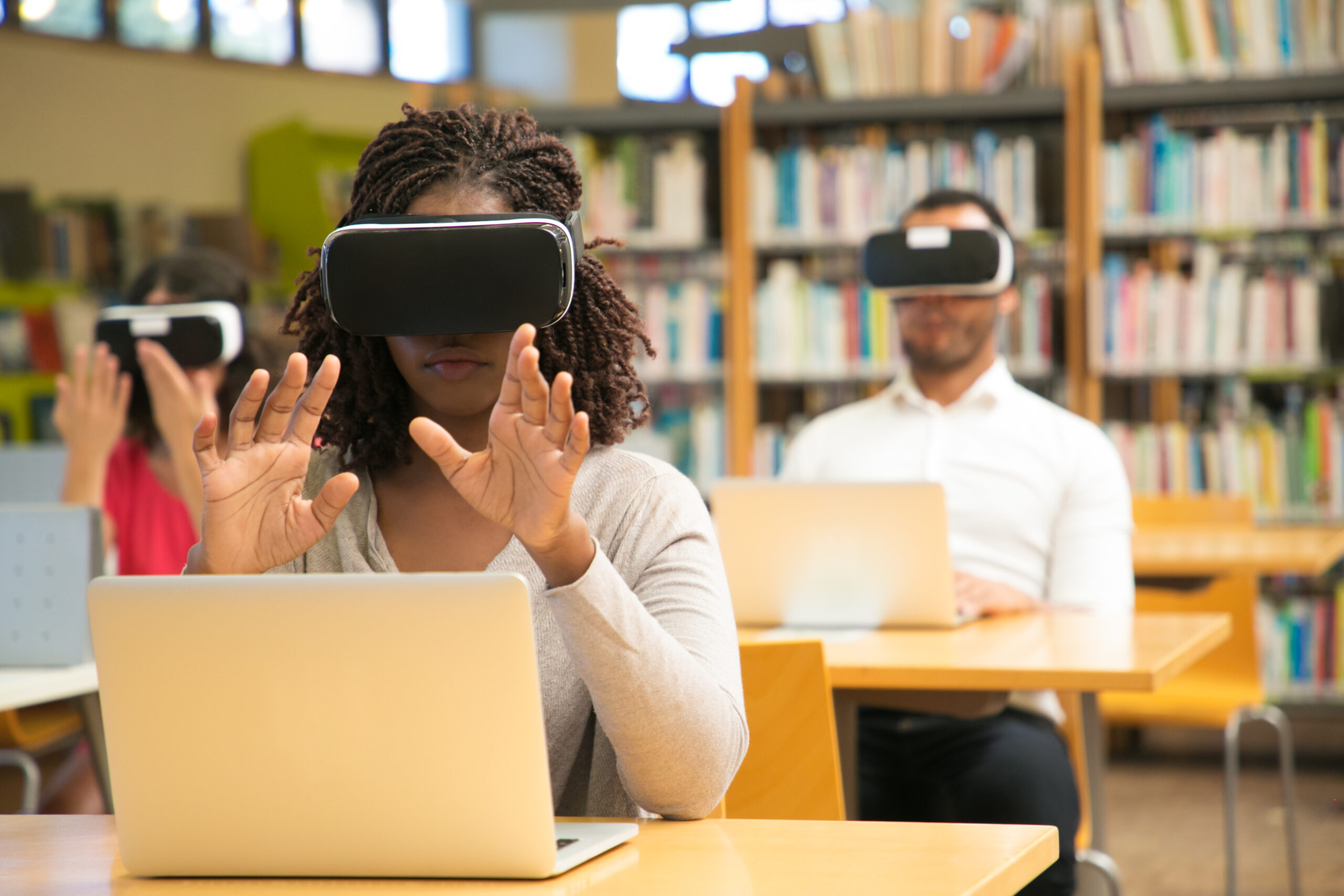
Across the globe, AI-powered technologies are redefining the learning experience. Intelligent tutoring systems, virtual classrooms, adaptive learning platforms, and AI-driven research tools are making education more personalised and accessible than ever before. Nigerian students are increasingly embracing platforms such as ChatGPT, Google Gemini, and other AI-assisted tools to study, write, conduct research, and solve complex academic problems. This shift marks the beginning of a new educational era.
Perhaps the greatest promise of AI lies in its ability to personalise learning. Traditional classrooms often force students into a rigid learning structure despite their varying abilities. AI may help change that equation by analysing individual performance and recommending lessons based on each learner’s strengths and weaknesses. Rather than leaving struggling students behind or slowing down advanced learners, the technology can be used to create a flexible learning environment where every student can progress at an appropriate pace.
For a country where educational inequality remains a pressing concern, this innovation could prove transformative. Millions of children in rural and underserved communities continue to face shortages of qualified teachers and learning materials. AI-powered applications, digital tutors, and multilingual educational platforms can bridge these gaps by bringing quality learning resources directly to students, regardless of geography. If deployed responsibly, AI could become one of Nigeria’s most powerful tools for expanding educational inclusion.
The technology also promises to redefine the role of teachers. Contrary to fears that AI will replace educators, it is more likely to become an indispensable classroom assistant. By automating repetitive tasks such as grading, lesson planning, and performance tracking, AI frees teachers to focus on mentoring, critical thinking, and emotional support—areas where human interaction remains irreplaceable. The future classroom is therefore one where teachers and intelligent technology work in partnership rather than competition.
Beyond classrooms, AI is reshaping the skills required in today’s economy. As automation transforms industries ranging from banking and healthcare to agriculture and manufacturing, employers increasingly seek graduates with digital competence, creativity, and analytical thinking. Nigerian schools and universities must therefore move beyond merely teaching students how to use technology to helping them understand, build, and innovate with it.
Yet, the road to AI-powered education is not without obstacles. Inconsistent electricity, poor broadband penetration, inadequate digital infrastructure, and limited investment continue to constrain technological adoption across many schools. Equally important is the need to equip teachers with the digital skills necessary to integrate AI effectively into teaching and learning.
Ethical questions also deserve careful attention. Issues surrounding data privacy, misinformation, algorithmic bias, and academic integrity must be addressed through clear policies and responsible governance. AI should enhance education—not encourage plagiarism or diminish independent thinking.
Nigeria stands at a defining moment. With one of the world’s youngest populations, the country possesses enormous human capital waiting to be unlocked. Investing strategically in AI-driven education today could produce a generation equipped to compete in tomorrow’s global knowledge economy.
The future of learning in Nigeria is no longer a distant vision. It is already unfolding. The real challenge is whether policymakers, educators, and the private sector will act boldly enough to ensure that no Nigerian learner is left behind in the age of artificial intelligence.
Oyewole Omolabi Joseph is a passionate writer of articles, poems, and short stories, dedicated to crafting compelling narratives that inspire, inform, entertain, and connect readers through the power of words.