

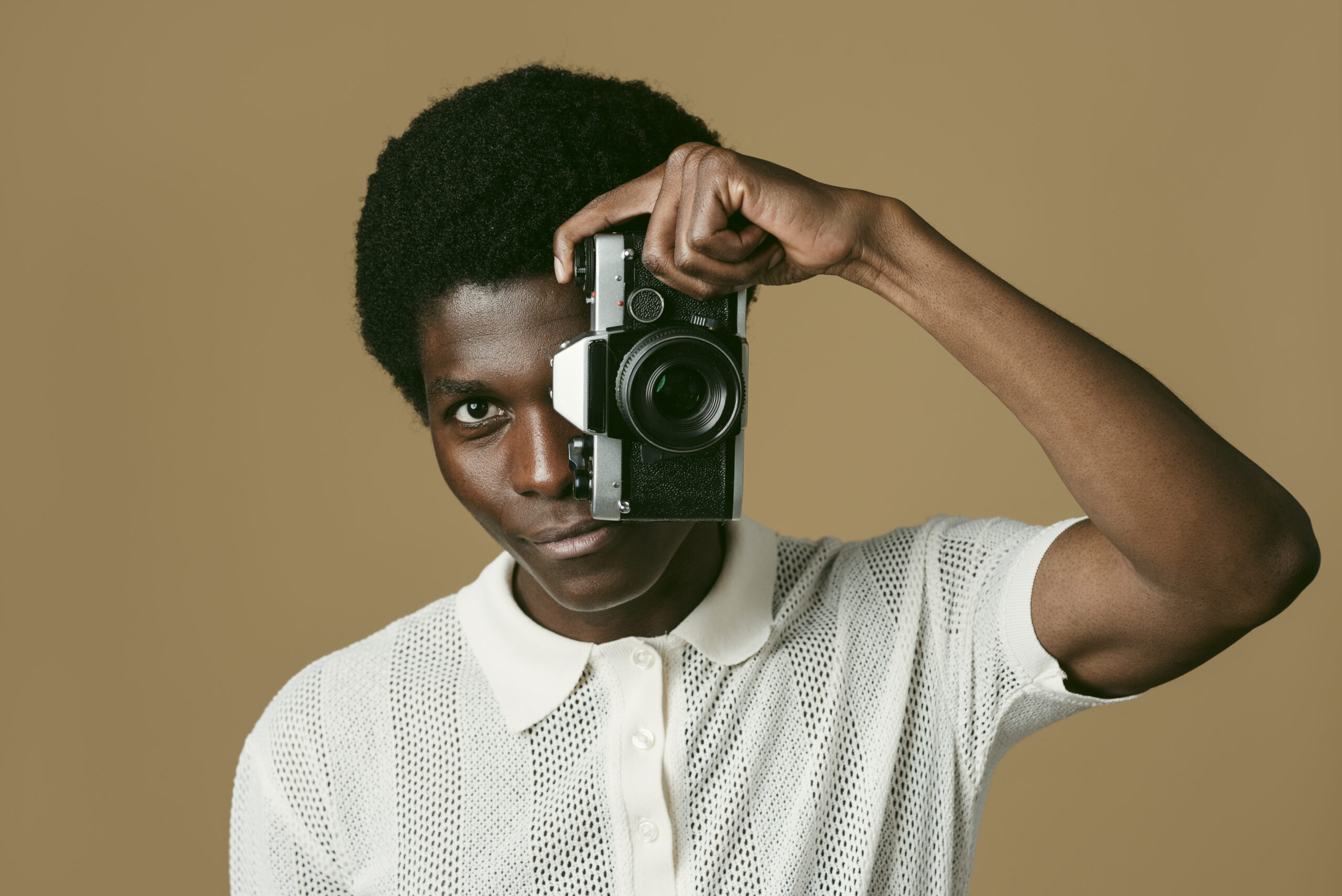
Before selfies, Instagram filters and instant photographs, capturing a special moment was a much longer process. Photography has come a long way, transforming from a complicated scientific experiment into something almost everyone can do with a mobile phone.
Looking back at the history of cameras reveals just how much technology has changed the way we capture memories, tell stories and see the world.
The early days of photography
The story of photography began long before the cameras we recognise today. The camera obscura, an early optical device, allowed light to pass through a small opening and project an image onto a surface. However, it could not permanently record the image.
In the early 19th century, inventors began experimenting with ways to preserve these images. In 1826 or 1827, French inventor Joseph Nicéphore Niépce produced what is widely regarded as the oldest surviving photograph made with a camera. The process required several hours of exposure.
In 1839, Louis Daguerre introduced the daguerreotype, a photographic process that produced detailed images on silver-coated metal plates. Although the equipment and process were cumbersome, this development helped make photography more accessible to the public.
The rise of box cameras
By the late 19th century, photography was becoming more practical. One major turning point came in 1888 when George Eastman introduced the Kodak camera, which used a roll of flexible photographic film.
The camera was designed to make photography easier for ordinary people who did not want to master complicated photographic processes. Its famous slogan, “You press the button, we do the rest”, reflected this ambition.
The introduction of affordable box cameras changed family photography. People could now preserve birthdays, weddings, holidays and everyday experiences without relying entirely on professional photographers.
The Era of Film Cameras
The 20th century brought significant improvements in camera design. Film cameras became smaller, more portable and easier to operate. Manufacturers introduced models that offered greater control over focus, exposure and image quality.
The 35mm camera became particularly popular because it was compact enough for everyday use while producing excellent photographs. Photographers could carry their cameras to social gatherings, on holidays and into the streets.
For many families, visiting a photography studio or taking a film roll to a photo laboratory was part of the experience. Photographs were not immediately available. The film had to be developed, and people often waited days before seeing the results.
In Nigeria, photography studios became important places for preserving family history. Studio portraits captured graduations, weddings, naming ceremonies, birthdays and other milestones. These photographs often became treasured possessions, kept in albums and displayed in homes.
The introduction of instant photography
Another memorable development was instant photography. In 1948, Polaroid introduced its first commercial instant camera, allowing people to produce photographs shortly after taking them.
This was a remarkable change. Instead of waiting for a laboratory to develop a film roll, users could watch their photographs appear within minutes.
Instant cameras became popular for parties, family gatherings and creative projects. Their distinctive prints remain nostalgic reminders of a period when seeing a photograph develop was part of the excitement.
The digital camera revolution
The arrival of digital photography changed the industry once again. Rather than recording images on film, digital cameras used electronic sensors to capture and store photographs.
In 1975, Kodak engineer Steven Sasson built an early digital camera prototype. It was bulky and recorded images at a resolution far below what modern cameras can achieve, but it helped lay the foundation for digital photography.
During the 1990s and early 2000s, digital cameras became increasingly popular. Photographers could review pictures immediately, delete unwanted images and transfer photographs to computers.
The cost of taking photographs also changed. There was no longer a need to purchase and develop a new roll of film for every set of pictures. This encouraged people to take more photographs and experiment with different techniques.
When mobile phones became cameras
The introduction of camera phones brought photography into everyday life on an unprecedented scale. People no longer needed to carry a separate camera to capture ordinary moments.
As mobile phone technology improved, cameras became sharper, faster and more versatile. Features such as autofocus, flash, portrait mode, night photography and optical zoom made it possible to capture impressive images with a device that fits into a pocket.
The growth of social media further transformed photography. Platforms such as Instagram and Facebook encouraged people to share photographs instantly, while messaging applications made it easier to send pictures to friends and family.
Today, people use smartphone cameras for everything from documenting personal memories to reporting breaking news, promoting businesses and creating professional content.
Artificial Intelligence and the future of photography
Modern cameras are increasingly powered by artificial intelligence. Smartphones can recognise faces, improve lighting, reduce image noise and combine multiple exposures to produce clearer pictures.
Some devices also offer tools that remove unwanted objects, adjust backgrounds and alter elements of an image after it has been taken.
These developments have expanded creative possibilities, but they have also raised questions about authenticity. As photographs become easier to manipulate, distinguishing between an untouched image and an extensively edited one can be difficult.
Professional cameras also continue to evolve, with mirrorless systems, advanced autofocus and high-resolution sensors giving photographers greater flexibility.
Every major development has made photography faster, more accessible or more versatile.
What once required specialised equipment and considerable patience can now be accomplished in seconds. Yet the purpose remains familiar: to preserve moments that might otherwise fade from memory.