

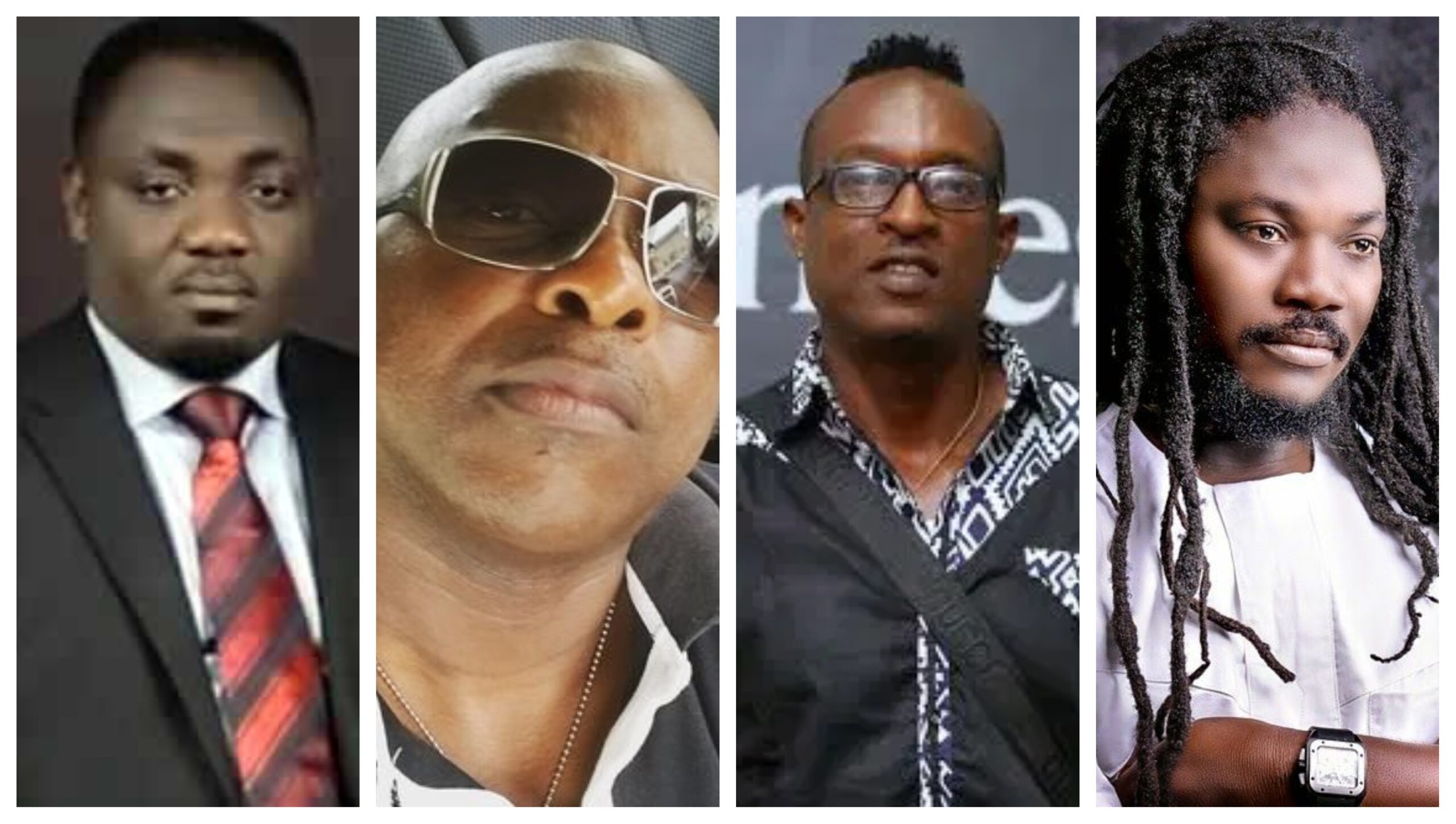
There was a time when Nigerian music was not just about Afrobeats, streaming numbers and international collaborations. Before the global success of today’s music stars, reggae and dancehall artistes were making waves with infectious rhythms, street-inspired lyrics and dance moves that brought people together.
From the streets of Ajegunle in Lagos to radio stations and music video programmes across the country, these artistes created a sound that was distinctly Nigerian. Their music spoke about everyday struggles, love, survival, social issues and the realities of life in the streets.
As we take a trip down memory lane, here are some of the pioneers who helped shape dancehall music in Nigeria.
1. Daddy Showkey
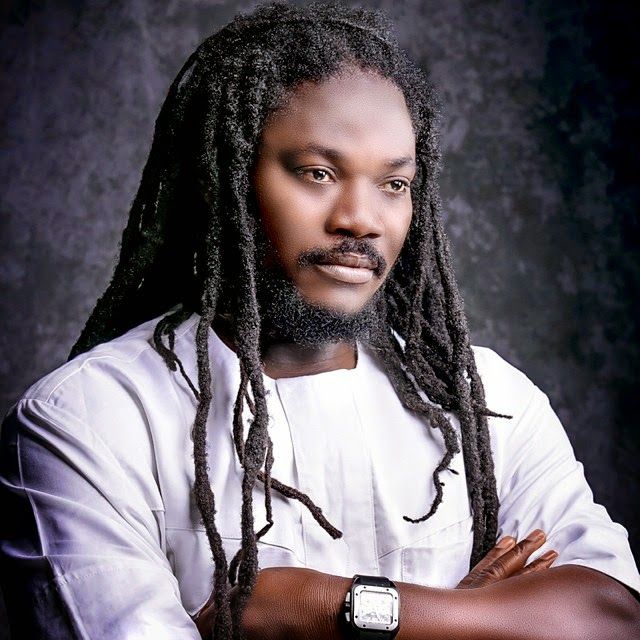
When conversations about Nigerian dancehall and the famous Galala dance come up, Daddy Showkey is one name that cannot be left out. Born John Asiemo, the singer became one of the most recognisable faces of the Ajegunle music movement in the 1990s.
With his distinctive voice, dreadlocks, energetic performances and street inspired lyrics, Daddy Showkey built a strong connection with ordinary Nigerians. Songs such as Diana and Somebody Call My Name became part of the soundtrack of an era.
His music celebrated street life while reflecting the experiences and aspirations of people who rarely saw their stories represented in mainstream entertainment. His association with Galala also helped turn the dance into a recognisable part of Nigerian popular culture.
2. Baba Fryo
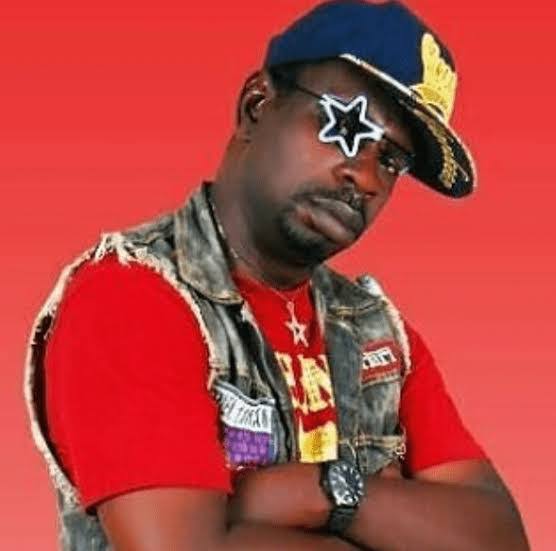
Another major name from the Ajegunle music scene is Baba Fryo. Known for his distinctive sound and memorable lyrics, he became popular during a period when Nigerian reggae and dancehall were finding their own identity.
His hit song Dem Go Dey Pose remains a nostalgic favourite for listeners who remember the era. The song captured the street culture and everyday expressions that helped make Ajegunle music relatable to a wide audience.
Baba Fryo was among the artistes who demonstrated that music rooted in local experiences could find an audience beyond the communities where it originated.
3. Daddy Fresh
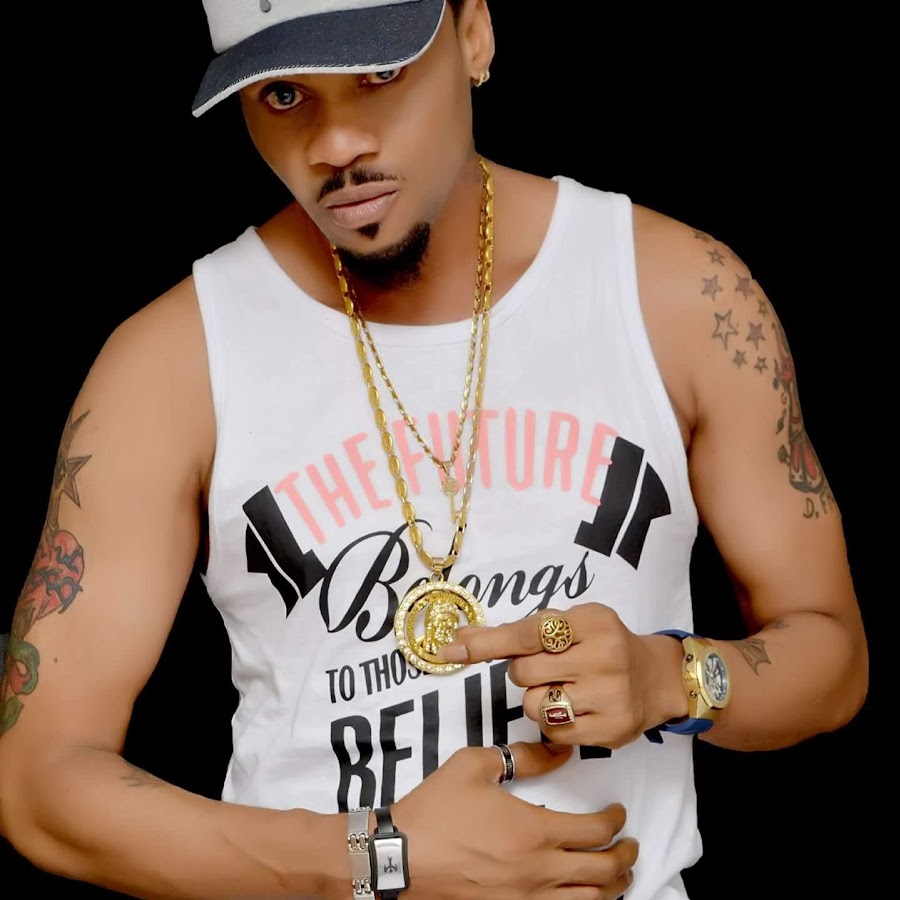
Daddy Fresh was another important voice in the development of Nigerian dancehall. He was associated with the Pretty Busy Boys, a group connected to the early Ajegunle music movement, before pursuing a solo career.
His contribution came at a time when artistes were blending reggae influences with Nigerian expressions and experiences to create a sound that audiences could identify with.
Daddy Fresh also offered an important reminder that the Ajegunle movement was built by several talented musicians, dancers and performers, not just one or two celebrated stars.
4. Father U Turn
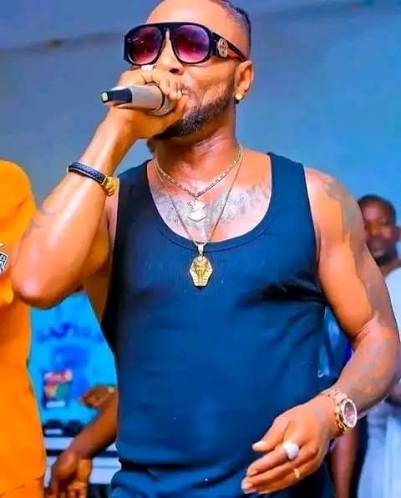
Father U Turn was another familiar name during the rise of Ajegunle’s street music culture. Alongside other artistes from the area, he helped popularise the reggae-influenced sound that was gradually evolving into a Nigerian interpretation of dancehall.
The music was energetic, direct and closely connected to the realities of everyday life. It appealed to listeners who wanted songs that sounded familiar and spoke their language.
Although today’s music industry has changed considerably, Father U Turn remains part of the conversation about the artistes who helped establish the foundation of the Ajegunle sound.
5. Marvellous Benjy
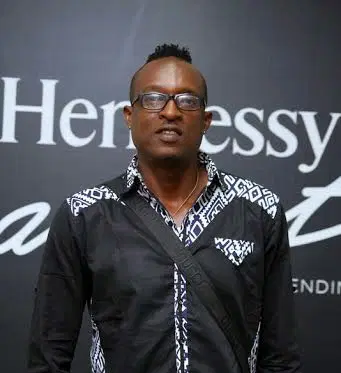
Marvellous Benjy became widely associated with the Suo dance trend, which followed the popularity of Galala. His song Suo helped popularise a dance that became a familiar sight among young Nigerians.
The Suo movement showed how a song could inspire an entire dance culture. People did not need expensive music videos or elaborate choreography to participate. They simply needed a popular beat, a dance step and a reason to have fun.
Marvellous Benjy’s contribution illustrates how Nigerian street music has often influenced not only what people listen to but also how they express themselves through dance.
6. Blackky
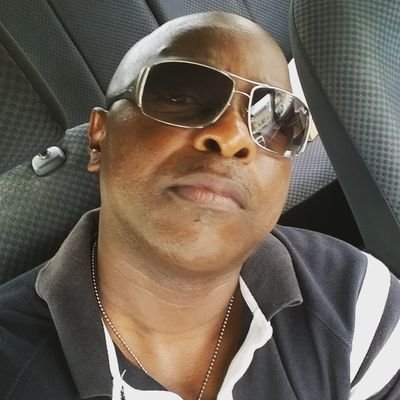
Before the Ajegunle sound became a major force in Nigerian music, Blackky was already making a name for himself with reggae and ragga-influenced songs.
Known for tracks such as Bang Belly, he was among the artistes who helped popularise the sounds that influenced the next generation of Nigerian dancehall performers.
His music formed part of a wider reggae movement that introduced Nigerian audiences to rhythms and vocal styles that would later be reinterpreted by local musicians.
Blackky’s place in this history is significant because the Nigerian dancehall movement did not emerge in isolation. It grew from earlier reggae traditions and the creativity of artistes who adapted those influences to local tastes.
7. Daniel Wilson
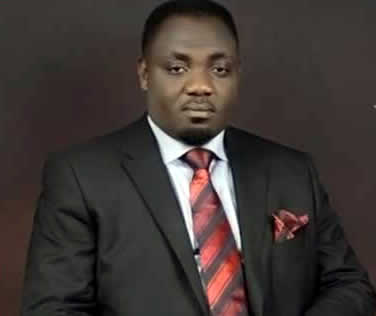
Daniel Wilson was another prominent figure in the Nigerian reggae and ragga scene. His song Mr Ragamuffin became associated with the period when Jamaican musical influences were inspiring Nigerian musicians to experiment with their own sounds.
The ragamuffin style, with its rhythmic vocal delivery and lively beats, helped prepare the ground for the emergence of a more locally defined dancehall culture.
Daniel Wilson’s career reflects an important stage in Nigerian music history, when reggae, ragga and emerging urban sounds were influencing one another and creating fresh possibilities for homegrown artistes.
So, the next time an old dancehall classic comes on, take a moment to appreciate the pioneers who helped pave the way. Before today’s stars filled international stages, these artistes were already making the streets dance.