

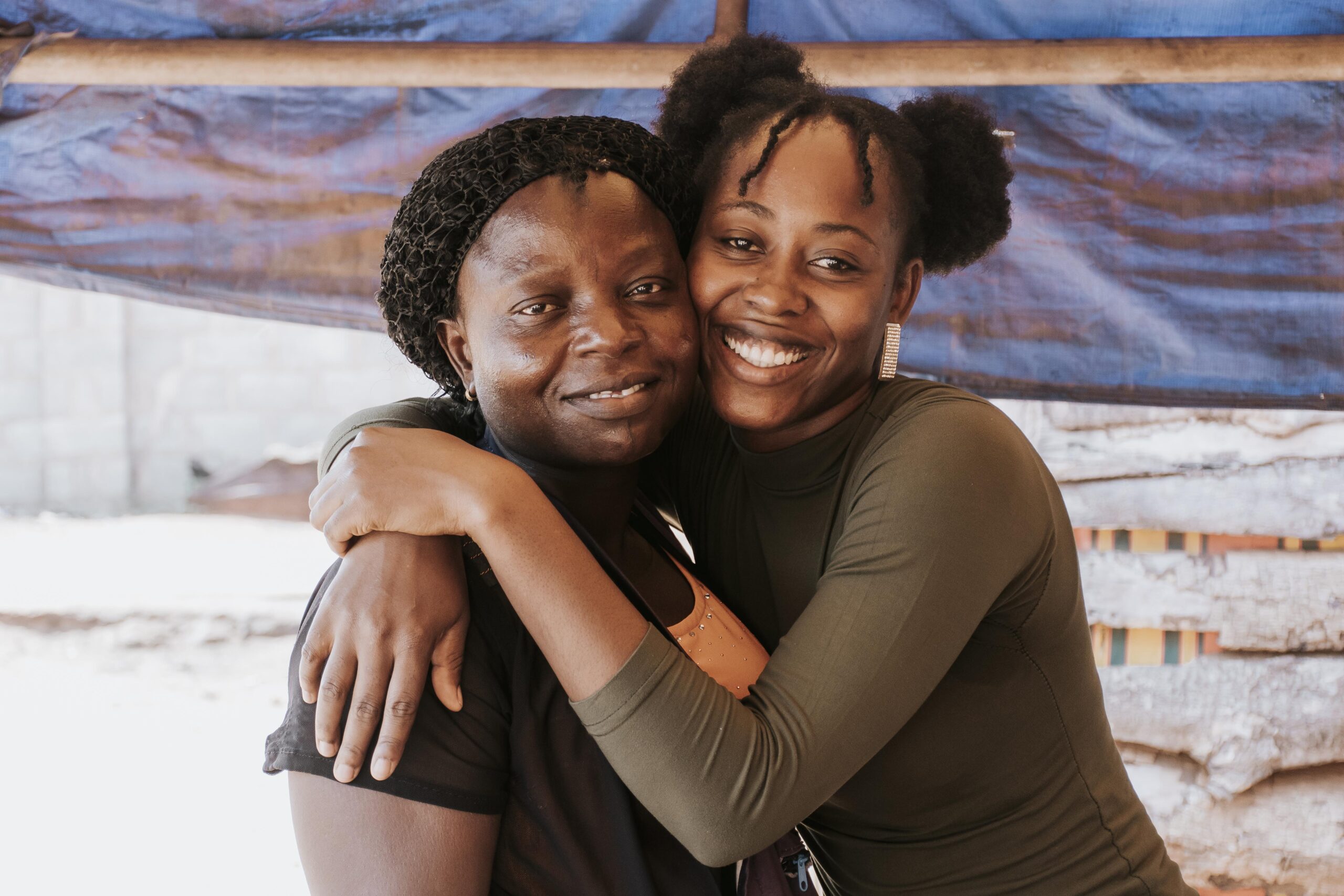
There was a time when all you needed to hear was your mother calling your full name to know that you were in trouble. No mobile phone, no tracking device and certainly no security camera. Somehow, she always knew when you had done something you were not supposed to do. Looking back, one cannot help but wonder if African mothers came with special powers that the rest of us are yet to discover.
Growing up in an African home was an experience of its own. Our mothers were disciplinarians, counsellors, chefs, nurses, teachers, financial managers and prayer warriors. They wore many hats, often without a break, and somehow managed to keep the family going even when life was difficult.
As we look back on those childhood memories, here are some of the superpowers that made African mothers unforgettable.
1. The ability to know everything without being told
African mothers had an incredible way of discovering things. You could hide a broken plate, deny eating the last piece of meat or insist that you had completed your homework, but somehow, the truth always came out.
The famous question, “Who did this?” was rarely an invitation to confess. It was more like a warning that she already knew the answer and was giving you one last chance to tell the truth.
Even when you thought you had successfully hidden your mischief, your mother would suddenly mention details that left you wondering whether someone had been reporting your activities to her.
2. The magical eyes at family gatherings
Every African child understands the power of a mother’s look. She could be chatting with guests at the other end of the room, but the moment you started misbehaving, her eyes would find you.
One look was enough to remind you to sit properly, stop disturbing your siblings or leave the snacks alone.
There was no need for a long lecture. Her facial expression communicated everything, and you understood the message immediately.
3. The ability to stretch money beyond imagination
Many African mothers were experts at making a little money go a long way. They knew how to divide food among family members, plan meals for the week and make careful decisions about household expenses.
When money was tight, they became even more resourceful. They found ways to repair old clothes, reuse household items and prepare satisfying meals from whatever was available.
As adults, many of us have come to appreciate just how much planning and sacrifice went into making the home comfortable. What we once took for granted was often the result of careful budgeting and difficult choices.
4. The power to turn the kitchen into a five-star restaurant
African mothers did not always need a cookbook or a measuring cup to prepare a delicious meal. A little of this, a pinch of that and a careful taste of the soup were sometimes all it took.
They could prepare jollof rice for visitors, cook a pot of soup for the family and still find a way to make breakfast the following morning.
Their cooking was more than a daily responsibility. It was a way of expressing love, preserving culture and bringing people together.
And heaven help the child who complained about the food after watching their mother spend hours in the kitchen!
5. The ability to find anything in the house
Have you ever spent several minutes looking for something, only for your mother to find it in seconds?
You could search every corner of the room for your school socks, textbook or missing belt, but she would walk in, point to the exact spot and ask whether your eyes were working.
It was almost as if African mothers had an invisible map of every item in the house. From missing buttons to misplaced documents, they seemed to know where everything belonged.
Of course, the real secret was probably their attention to detail and familiarity with the home. Still, to a child, it felt like magic.
6. The ability to turn ordinary objects into instruments of discipline
African childhood memories would be incomplete without the famous warning that your mother would deal with you when she got home.
Sometimes, the warning came with a raised eyebrow. At other times, it came with a slipper, a broom or the mention of a father’s return.
Although some of these disciplinary methods are now being reconsidered in favour of healthier approaches, many adults still remember the fear, the drama and the lessons that accompanied childhood correction.
Today, parents have more conversations about discipline, emotional wellbeing and how to correct children without causing harm. Looking back should allow us to appreciate the funny memories while also recognising that children deserve patience, respect and safety.
7. The ability to pray through almost anything
For many African families, a mother’s prayers were an important part of daily life. Whether it was an examination, a job interview, a difficult season or a journey, mothers often turned to prayer for comfort and guidance.
Some prayed before sunrise. Others prayed while cooking, cleaning or preparing their children for school. Many had specific prayers for each child, asking for protection, wisdom, good health and a better future.
Even when children did not fully understand the significance of these prayers, they often grew up remembering the reassurance of hearing their mothers speak words of hope over the family.
8. The ability to give advice that makes sense years later
As children, we sometimes believed our mothers worried too much. They asked questions about our friends, reminded us to dress appropriately and warned us against decisions we were eager to make.
We rolled our eyes, complained and sometimes ignored their advice.
Then adulthood arrived.
Suddenly, the lessons about saving money, choosing friends carefully, being respectful and thinking before speaking began to make sense. We discovered that some of the things we dismissed as unnecessary warnings were actually lessons in responsibility.
Of course, mothers are human and do not always get everything right. However, many of their experiences gave them perspectives that we could only appreciate with time.
9. The ability to keep the family together
Perhaps the greatest superpower of African mothers was their ability to keep showing up for their families, even when they were tired, worried or dealing with personal challenges.
Many carried responsibilities that went beyond cooking and childcare. They supported their partners, encouraged their children, cared for elderly relatives and found ways to keep the household functioning.
Some worked outside the home and returned to another full shift of domestic responsibilities. Others ran businesses, managed farms or contributed to family income while raising their children.
Their strength was not always loud or dramatic. Sometimes, it was simply getting out of bed the next morning and doing what needed to be done.
However, it is also important to remember that mothers need care, rest and support. Their ability to do so much should not mean they must carry every responsibility alone.
10. The ability to make home feel like home
Long after the childhood scoldings have faded from memory, many people remember the familiar sounds and smells of home.
It might be the aroma of freshly prepared stew, the sound of a mother calling everyone to eat, her questions about how the day went or her insistence that nobody should leave the house without breakfast.
For those who grew up with these experiences, they became part of the fabric of childhood. Even after moving away, starting families of their own or travelling to different parts of the world, these memories can bring a sense of comfort and belonging.
For others, the experience of motherhood may have been more complicated. Every family has its own story, and not everyone grew up with the same memories. Yet the value of care, safety and love remains something worth celebrating.
Maybe the most important lesson is that mothers should not have to be superheroes every day. They deserve to be celebrated, supported and appreciated while they are here to receive that love.
So, here is to the African mothers!
Share your favourite memory. After all, some childhood stories never get old.