

Readings: Isaiah 5:1-7; Psalm 80; Philippians 4:6-9; Matthew 21:33-43
Grace and peace to you from God the Father and the Lord Jesus Christ.
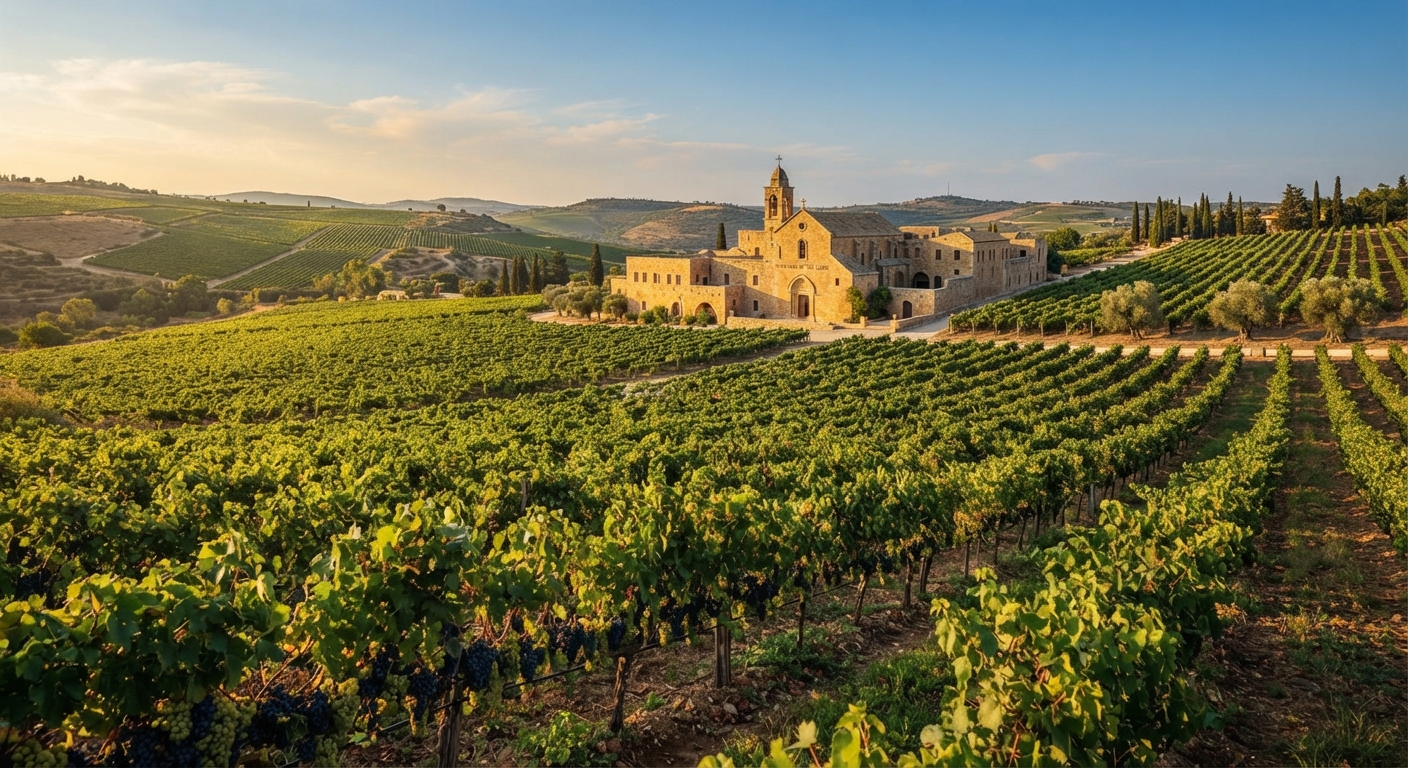
In the First Reading, Isaiah tells of a vineyard planted with great care. The owner chose fertile ground, cleared it of stones, planted the finest vines and built a watchtower. He did everything necessary for the vineyard to flourish. Naturally, he expected a good harvest. But instead of good grapes, it produced wild and worthless fruit.
Isaiah explains that the vineyard represents the house of Israel. The owner represents God, who cared for his people and expected faithfulness, loyalty, justice and righteousness from them. Instead, he saw disobedience, bloodshed and heard the cries of those who were oppressed.
The vineyard can also speak to each of us. We are recipients of God’s love, mercy and grace. He has given us life, faith, talents, relationships and opportunities. God has invested so much into each of us.
He has carried us through difficulties, lifted us when we have fallen and remained close even when others have lost hope in us. All that we have is, in some way, entrusted to us by God.
Although we can never repay God for all He has done for us, we can respond with grateful and faithful lives. So we must ask ourselves:
What fruit are we bearing in our lives?
Are our lives showing the love, mercy and goodness we have received from Him?
What do we have to show for all His goodness to us?
In the Gospel, Jesus tells of tenants who are given responsibility for a vineyard. When the owner sends servants to collect its produce, they mistreat and kill them. At last, he sends his son, but they kill him too, hoping to take possession of the inheritance.
The parable points to the way God sent prophets to his people, and how many were rejected. It also foreshadows the rejection and death of Jesus, the beloved Son. Yet the stone rejected by the builders becomes the cornerstone.
This parable has much to teach us.
How are we managing what God has entrusted to us?
Do we honour and glorify God with the gifts and opportunities He has given us?
And when others entrust things to us, are we honest, fair, accountable, truthful, just and trustworthy?
The parable also warns us against greed, covetousness and the desire to possess what belongs to another.
Have we ever claimed or taken what is not rightfully ours?
Perhaps we are holding on to family property that belongs to others, or have unjustly acquired something that should have gone to our siblings or relatives.
The Lord calls us to examine our conscience and to act with justice, honesty and respect for what belongs to others.
The Second Reading gives us a practical way to live out the challenges of our readings today. St. Paul encourages us not to be anxious about anything or covetous of whatever God has not given us. Instead, we should bring our needs to God in prayer, with thanksgiving, and to focus our minds on what is true, honourable, just, pure and worthy of praise.
May we recognise God’s goodness, care faithfully for what he has entrusted to us, and bear fruit in justice, mercy and love. May our lives bring joy to the Lord of the vineyard. Amen.
Sermon preached by Fr Emmanuel Baraka Gukena Okami on October 4, 2026