

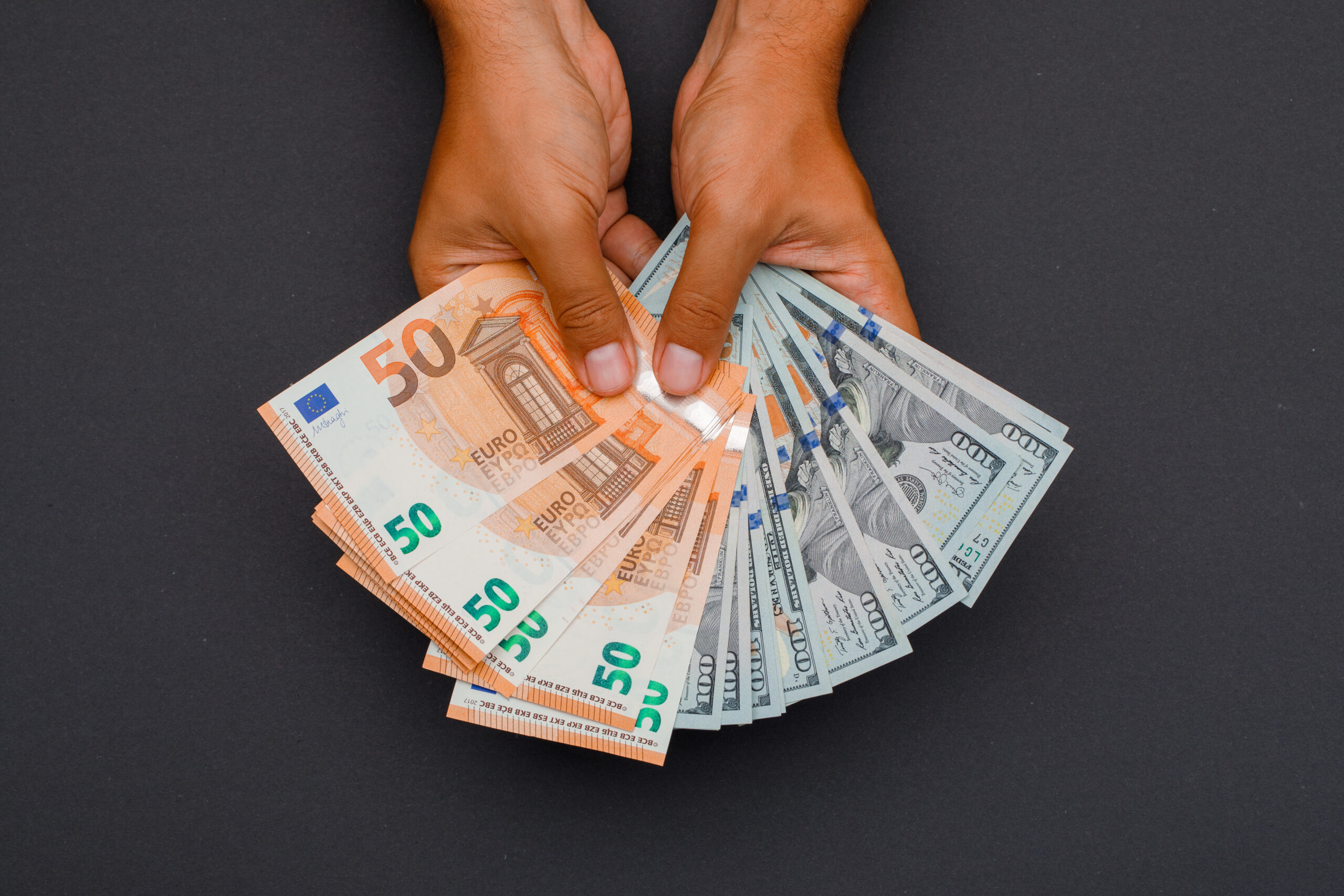
A country’s currency plays an important role in its economy, influencing the cost of imports, international trade, travel and the purchasing power of its citizens. Around the world, some currencies exchange at thousands of units to one United States dollar, while others have experienced significant depreciation due to economic and political challenges.
The World Bank tracks exchange rate information through its World Development Indicators, providing data on the value of national currencies against the US dollar. Its official exchange rate indicator measures the average number of local currency units required to purchase one US dollar.
However, a currency’s low nominal value does not necessarily mean that its country has the weakest economy. Inflation, economic growth, living costs and purchasing power must also be considered.
1. Iranian Rial
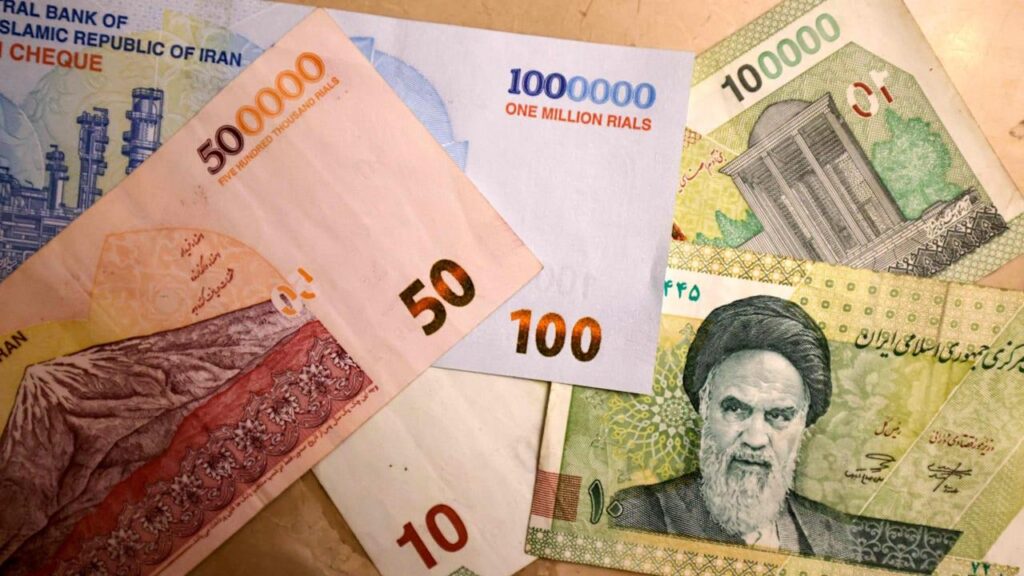
The Iranian rial is among the world’s lowest-valued currencies against the US dollar. Iran’s economy has faced years of international sanctions, high inflation and restrictions on international financial transactions.
These pressures have weakened the currency’s purchasing power and complicated trade with other countries.
2. Lebanese Pound
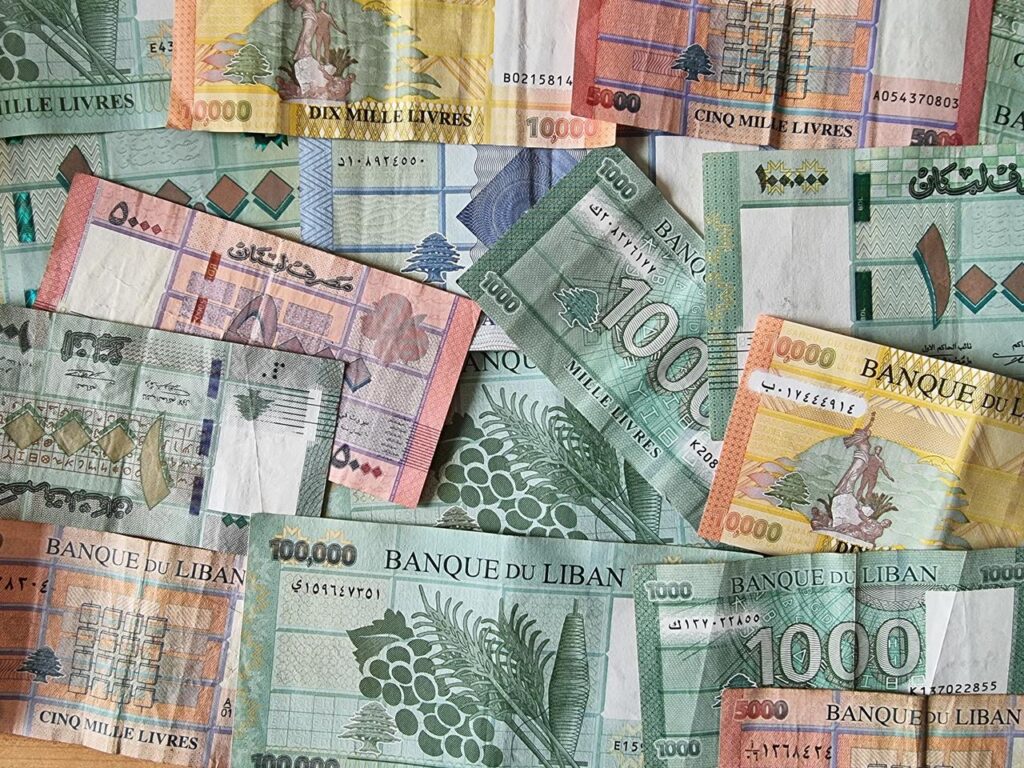
Lebanon’s currency suffered a dramatic decline following the country’s financial crisis, which began in 2019. Banking restrictions, political instability, public debt and a loss of confidence in financial institutions contributed to the collapse.
The crisis significantly reduced the purchasing power of many Lebanese households, making everyday expenses increasingly difficult to manage.
3. Vietnamese Dong
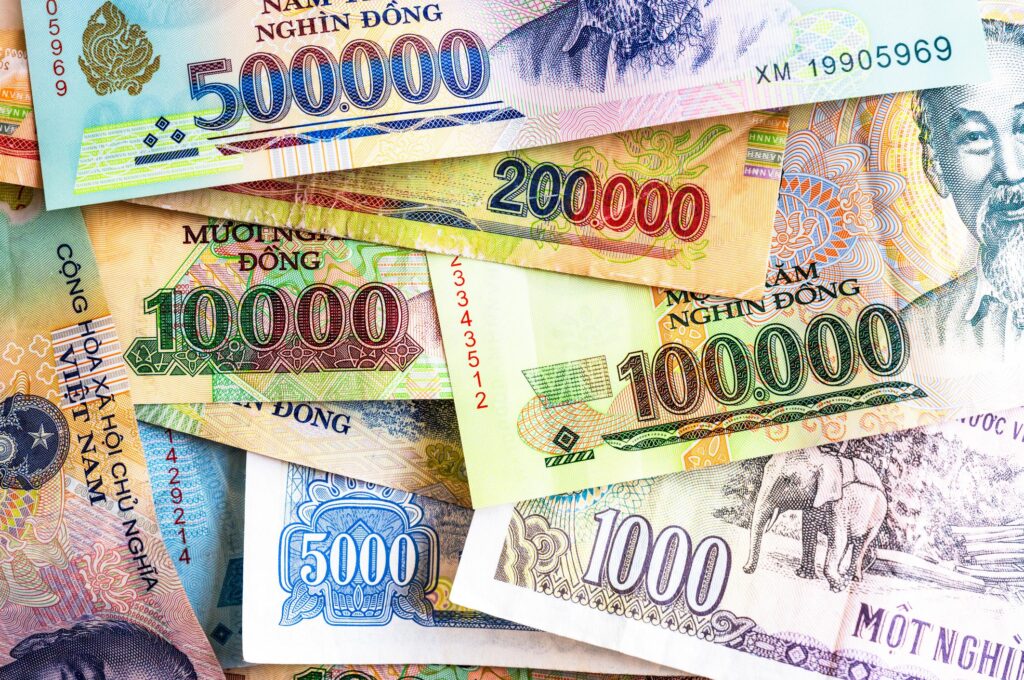
The Vietnamese dong has a low nominal value against the US dollar, with thousands of dong required to purchase one dollar.
However, Vietnam has experienced considerable economic growth and developed a strong manufacturing and export sector. The dong’s low face value should therefore not be confused with economic weakness.
4. Laotian Kip
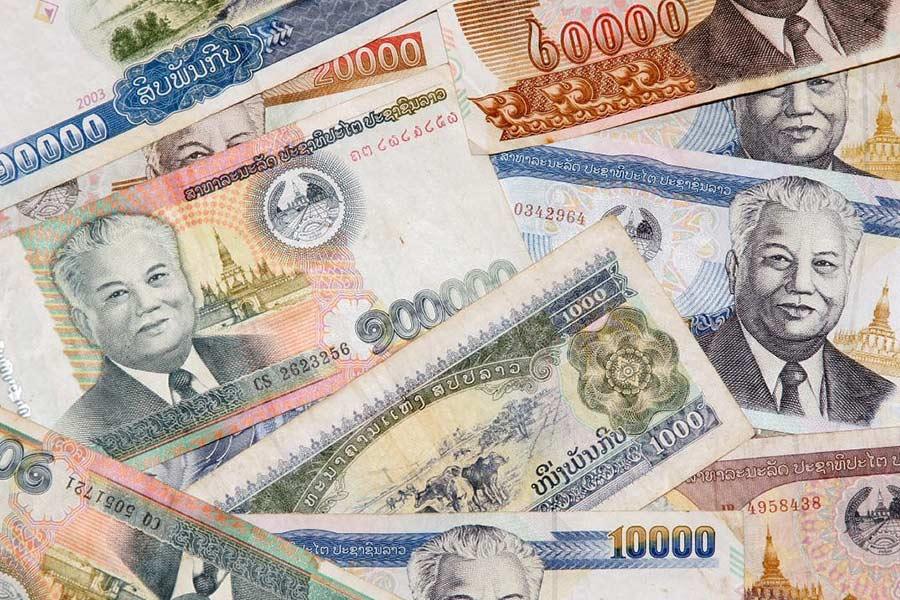
The Laotian kip has faced significant pressure from inflation, foreign debt and currency depreciation. Laos has also experienced difficulties associated with rising import costs and limited foreign exchange reserves.
A weaker kip makes imported goods more expensive, placing additional pressure on households and businesses.
5. Indonesian Rupiah
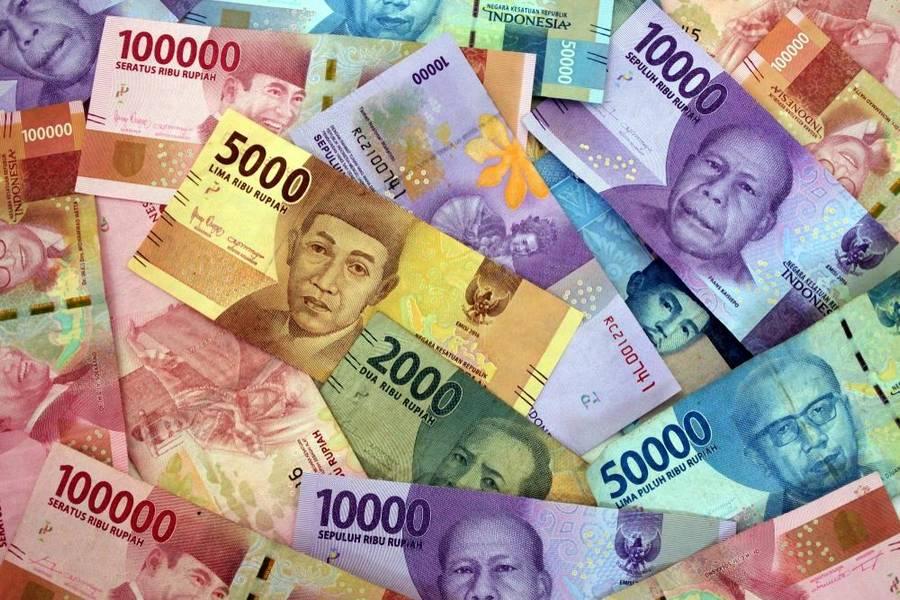
The Indonesian rupiah is another currency whose nominal value is relatively low against the US dollar. However, Indonesia has one of the largest economies in Southeast Asia.
Its exchange rate reflects several factors, including monetary policy, international investment flows and demand for foreign currencies. A large number of rupiah to the dollar does not, by itself, indicate a failing economy.
6. Sierra Leonean Leone
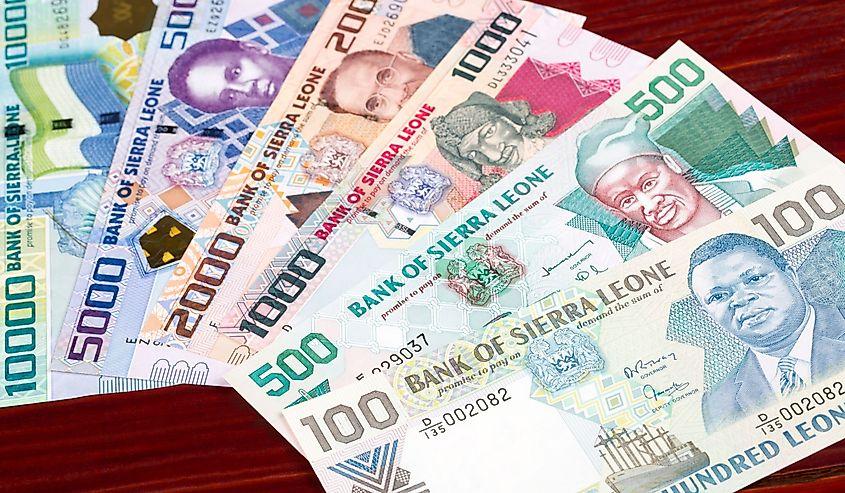
Sierra Leone has experienced currency pressures associated with inflation, dependence on imports and economic vulnerability. The country also faces challenges in expanding its productive capacity and maintaining stable prices.
In 2022, Sierra Leone redenominated its currency, removing three zeros from the old leone. This demonstrates why currency comparisons must account for changes in the units used.
7. Guinean Franc
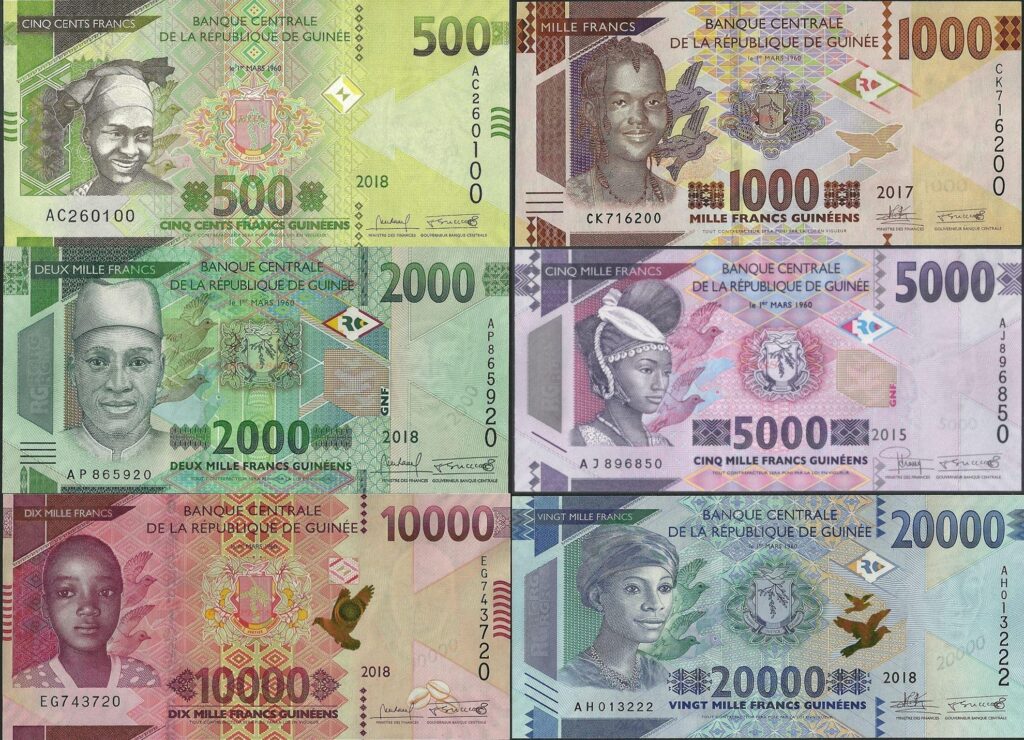
The Guinean franc has a low nominal exchange value against the dollar. Guinea possesses significant mineral resources, including bauxite and iron ore, but its economy faces development challenges.
Dependence on commodity exports, infrastructure limitations and inflationary pressures can affect the stability and purchasing power of its currency.
8. Paraguayan Guarani
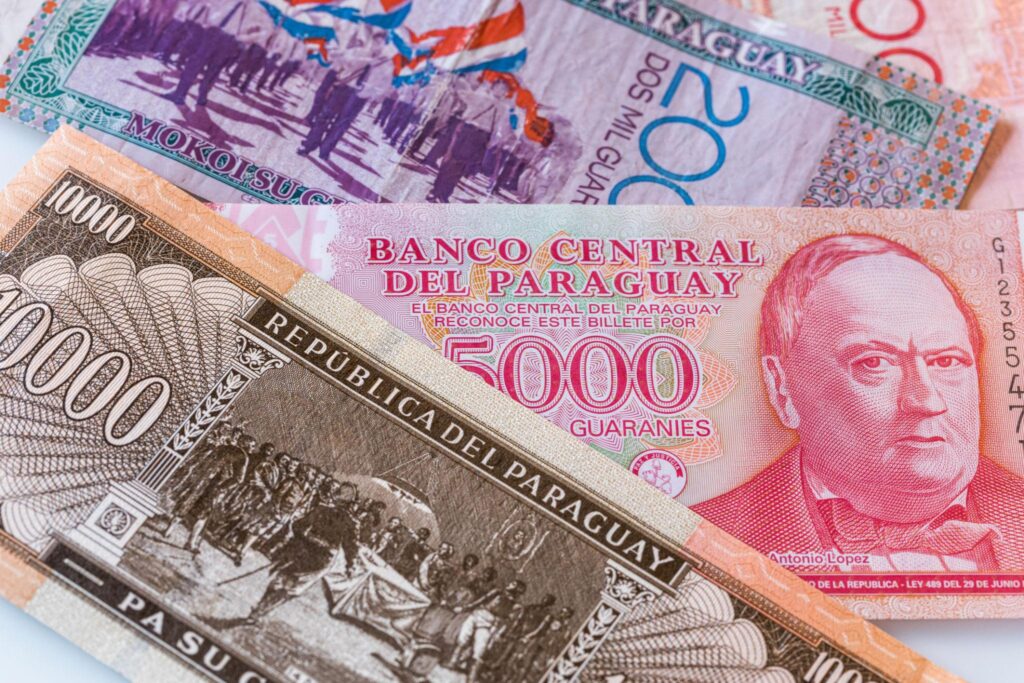
The Paraguayan guarani requires a large number of units to match one US dollar. Paraguay’s economy relies substantially on agriculture, electricity generation and commodity exports.
Its nominal exchange rate is influenced by trade conditions, investment flows and domestic economic policies. Its low face value does not automatically make it one of the world’s poorest economies.
9. Ugandan Shilling
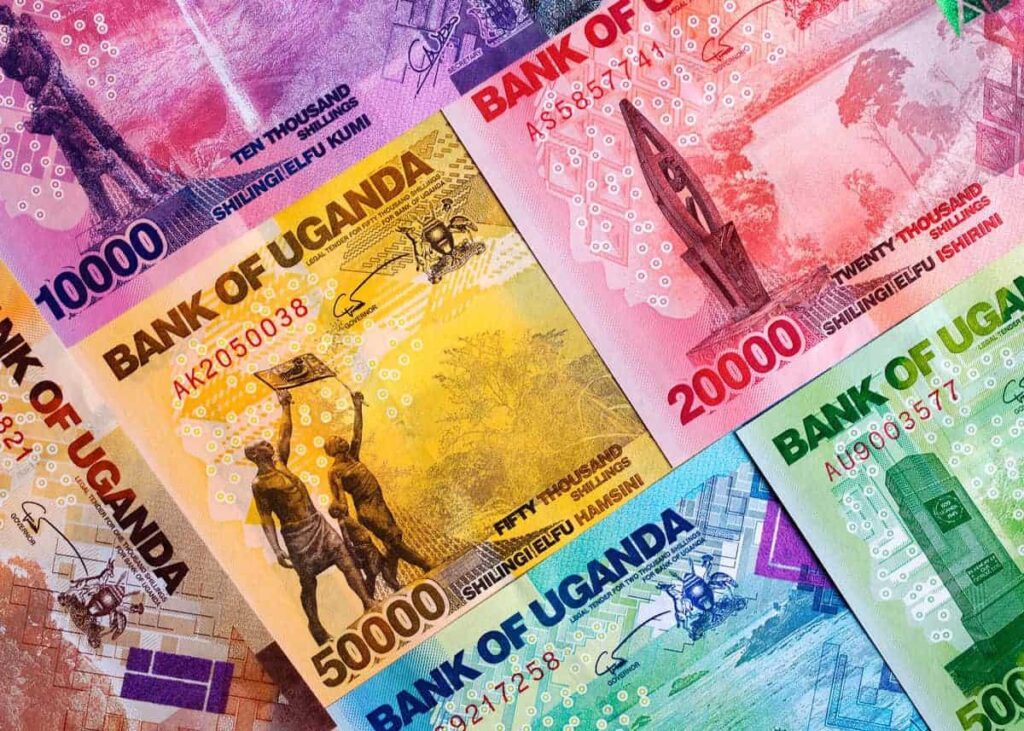
The Ugandan shilling has a relatively low nominal value against the dollar. Uganda’s economy is supported by agriculture, services and growing investment in infrastructure and energy.
Like many developing economies, it remains exposed to movements in global commodity prices, import costs and foreign exchange demand.
10. Nigerian Naira
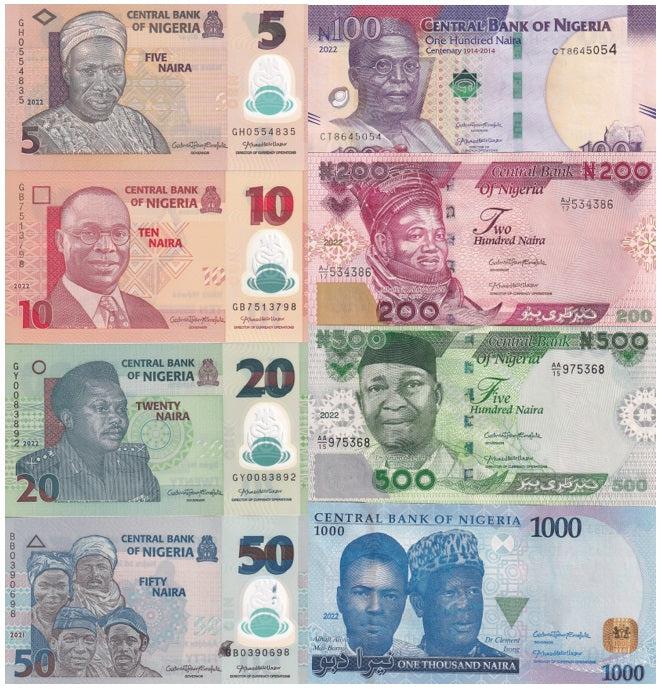
The naira has experienced substantial depreciation in recent years, driven by foreign exchange pressures, inflation, oil revenue fluctuations and changes in exchange rate policy.
The currency’s depreciation has increased the cost of imported goods, including food, medicines, machinery and fuel-related products. It has also reduced the dollar value of incomes and savings held in naira.
Nigeria’s experience highlights how exchange rate instability can affect businesses, households and the wider economy.
What makes a currency weak?
Several factors can contribute to a currency losing value against other currencies.
- High inflation: When prices rise rapidly, a currency’s domestic purchasing power declines.
- Economic instability: Political uncertainty, conflict and weak investor confidence can put pressure on exchange rates.
- Foreign exchange shortages: Countries that struggle to earn or access foreign currency may find it difficult to support their exchange rates.
- External debt: Heavy obligations denominated in foreign currencies can increase demand for dollars and other international currencies.
- Trade imbalances: Countries that spend more on imports than they earn from exports may experience sustained pressure on their currencies.
Does a weak currency mean a poor country?
Not necessarily. The nominal exchange rate tells us how much of one currency is needed to buy another. It does not tell us how much a person can purchase with their income, the size of a country’s economy or the standard of living of its citizens.
A more meaningful assessment of economic strength considers inflation, gross domestic product per capita, productivity, purchasing power and the stability of the financial system.
What does the World Bank data tell us?
The World Bank’s official exchange rate indicator provides annual average exchange rates expressed in local currency units per US dollar. It is useful for comparing exchange rate movements across countries and examining changes over time.
However, it is important to distinguish this measure from a definitive ranking of the world’s weakest currencies. The countries discussed above illustrate currencies with low nominal values or significant depreciation, but they should not be presented as an exact World Bank ranking without verifying the exchange rates for the same year and using a consistent measurement method.
The strength of a currency is about more than how many units are exchanged for one dollar. Economic stability, purchasing power, productivity and public confidence all play important roles in determining how a currency performs.
Source: World Bank, World Development Indicators, Official exchange rate (LCU per US$, period average). https://data.worldbank.org/indicator/PA.NUS.FCRF