

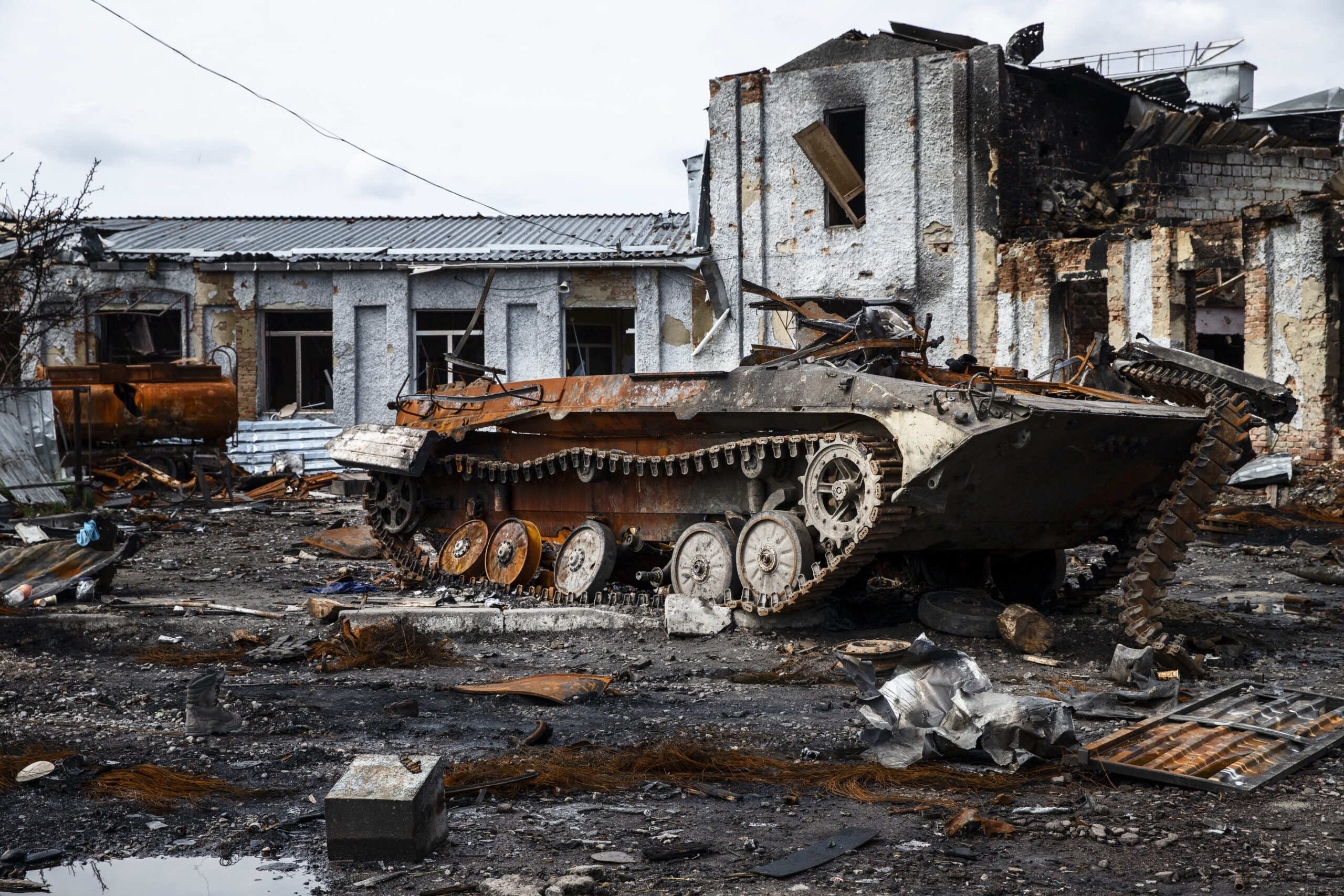
War has shaped the course of human history for centuries. From ancient empires fighting over territory to modern conflicts driven by politics, religion, resources and ideology, very few countries have escaped the reality of war. While some nations have experienced repeated conflicts, others have enjoyed long periods of peace. Understanding which countries have been to war and why offers valuable lessons about diplomacy, resilience and the importance of international cooperation.
The United Kingdom

The United Kingdom has been involved in numerous wars throughout its history. From the Hundred Years’ War and the Napoleonic Wars to both World Wars, Britain has played a significant role in global conflicts. In recent decades, British forces have participated in military operations in Iraq, Afghanistan and the campaign against terrorism. These experiences have influenced the country’s foreign policy and military strategy.
The United States

Although the United States gained independence through war in the eighteenth century, it has since participated in many international conflicts. Major examples include the American Civil War, the First and Second World Wars, the Korean War, the Vietnam War, the Gulf War, the wars in Afghanistan and Iraq, and several peacekeeping and counterterrorism operations. The country’s military remains one of the most influential in the world.
Germany

Germany’s modern history is closely associated with the First and Second World Wars. Following its defeat in 1945, the country embraced democracy and became a strong advocate for peace and European cooperation. Today, Germany focuses on diplomacy, humanitarian assistance and collective security through organisations such as NATO and the European Union.
France

France has fought in many wars over the centuries, including the Napoleonic Wars, the First and Second World Wars and military campaigns in Africa and the Middle East. The country continues to play an active role in international peacekeeping and security missions.
Russia
Russia has experienced conflicts under both the Russian Empire and the Soviet Union. It played a decisive role in defeating Nazi Germany during the Second World War, a conflict known in Russia as the Great Patriotic War. In recent years, Russia has been involved in military operations in Georgia, Syria and Ukraine, making it one of the most closely watched military powers today.
China

China has a long military history stretching back thousands of years. In the twentieth century, it fought in the Chinese Civil War, the Second Sino Japanese War and the Korean War. More recently, China has engaged in border disputes and continues to expand its military influence, particularly in the South China Sea.
Japan
Japan was heavily involved in the Second World War and was one of the Axis powers. After the war, the country adopted a pacifist constitution that limited its military role. Today, Japan maintains Self Defence Forces and focuses primarily on national defence while supporting international peacekeeping efforts.
Israel
Since its establishment in 1948, Israel has fought several wars with neighbouring countries and has experienced ongoing conflict with Palestinian groups. The region remains one of the most politically sensitive areas in the world, with international efforts continuing to seek lasting peace.
History shows that war often leaves deep scars that can last for generations. Lives are lost, economies suffer and communities are displaced. Yet history also demonstrates that reconciliation is possible. Former enemies such as France and Germany now work together as close partners, proving that diplomacy and cooperation can replace hostility.
In today’s interconnected world, countries increasingly recognise that many global challenges, including climate change, terrorism, pandemics and economic instability, cannot be solved through warfare alone. Dialogue, international law and multilateral cooperation remain essential tools for preventing conflict and building lasting peace.
Ultimately, while many countries have been to war at one point in their history, the greater achievement lies in learning from those experiences and striving to create a future where disputes are settled around negotiating tables rather than on battlefields.