

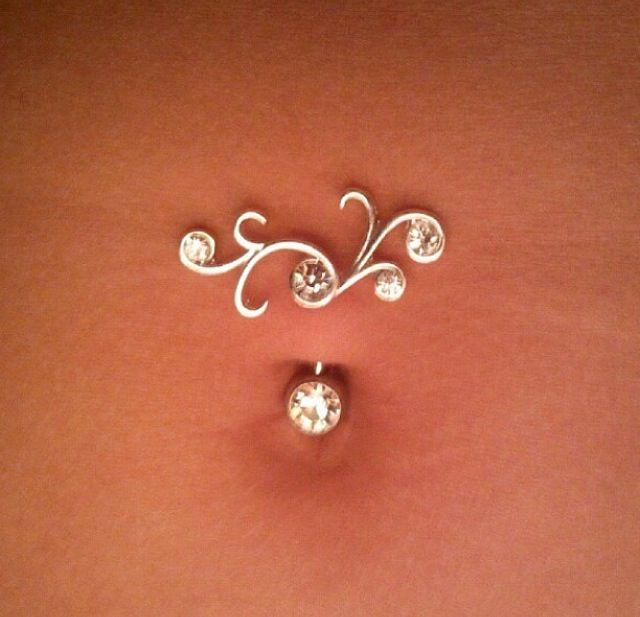
Belly button piercing has become one of the most recognisable forms of body jewellery in modern fashion. Often associated with confidence, self-expression, and youth culture, it has remained a popular trend for decades. While many people see it as a contemporary style statement, the story behind belly button piercing is more fascinating than it first appears.
Ancient origins of body piercing
Body piercing itself is far from a modern invention. Archaeological evidence suggests that people have pierced different parts of their bodies for thousands of years. Ancient civilisations in Egypt, Rome, India and parts of Africa practised body piercing for religious, cultural and social reasons.
There is a popular belief that ancient Egyptian royalty wore belly button piercings as a symbol of status. However, historians have found little reliable evidence to support this claim. Much of this story appears to have been repeated over the years without any historical documentation. While body adornment was certainly common in ancient Egypt, there is no clear proof that navel piercing was reserved for the elite.
The modern birth of belly button piercing
Unlike ear or nose piercing, belly button piercing is largely a modern phenomenon. It only gained widespread popularity during the late twentieth century.
Professional body piercers in the United States began offering navel piercings during the 1970s and 1980s as body modification became more accepted. At the time, tattoo studios and piercing shops were introducing people to forms of body art that had previously been considered unconventional.
Early adopters viewed belly button piercing as a symbol of individuality and freedom. It appealed to those who wanted to express themselves through fashion and personal style.
The fashion boom of the 1990s
The real turning point came during the 1990s. Fashion trends shifted towards crop tops, low-rise jeans and exposed midriffs, making the belly button a visible part of everyday style.
Celebrities played a significant role in popularising the trend. Pop stars, actresses and supermodels frequently appeared in music videos, magazines and television shows wearing sparkling navel jewellery. Young people quickly embraced the look, and piercing studios experienced a surge in demand.
As body jewellery became more affordable and widely available, belly button piercing moved from an alternative fashion statement into mainstream culture.
A staple of early twenty-first century fashion
The popularity of belly button piercing continued into the early years of the twenty-first century. Fashion magazines regularly featured decorative navel jewellery in a variety of designs, including gemstones, charms, flowers, butterflies and hearts.
Many people chose jewellery that reflected their personalities, while others matched their accessories with seasonal fashion trends. Belly button piercings became especially popular during the summer months when swimwear and cropped clothing allowed the jewellery to be displayed.
Changing attitudes towards body art
Over the years, public attitudes towards body piercings have changed considerably. What was once viewed as rebellious is now widely accepted in many workplaces and social settings.
Today, belly button piercing is often seen as simply another form of personal expression. People of different ages and backgrounds choose it for aesthetic reasons rather than to make a bold statement.
Social media has also influenced its popularity by allowing users to share jewellery styles, healing journeys and piercing inspiration with audiences around the world.
Belly button piercing has shown remarkable staying power for some time. While its popularity has risen and fallen over the years, it continues to reinvent itself through new jewellery designs and changing fashion influences.