

Readings: Isaiah 55:10-11; Psalm 65; Romans 8:18-23; Matthew 13:1-23
Grace and peace to you, dear brothers and sisters in Christ.
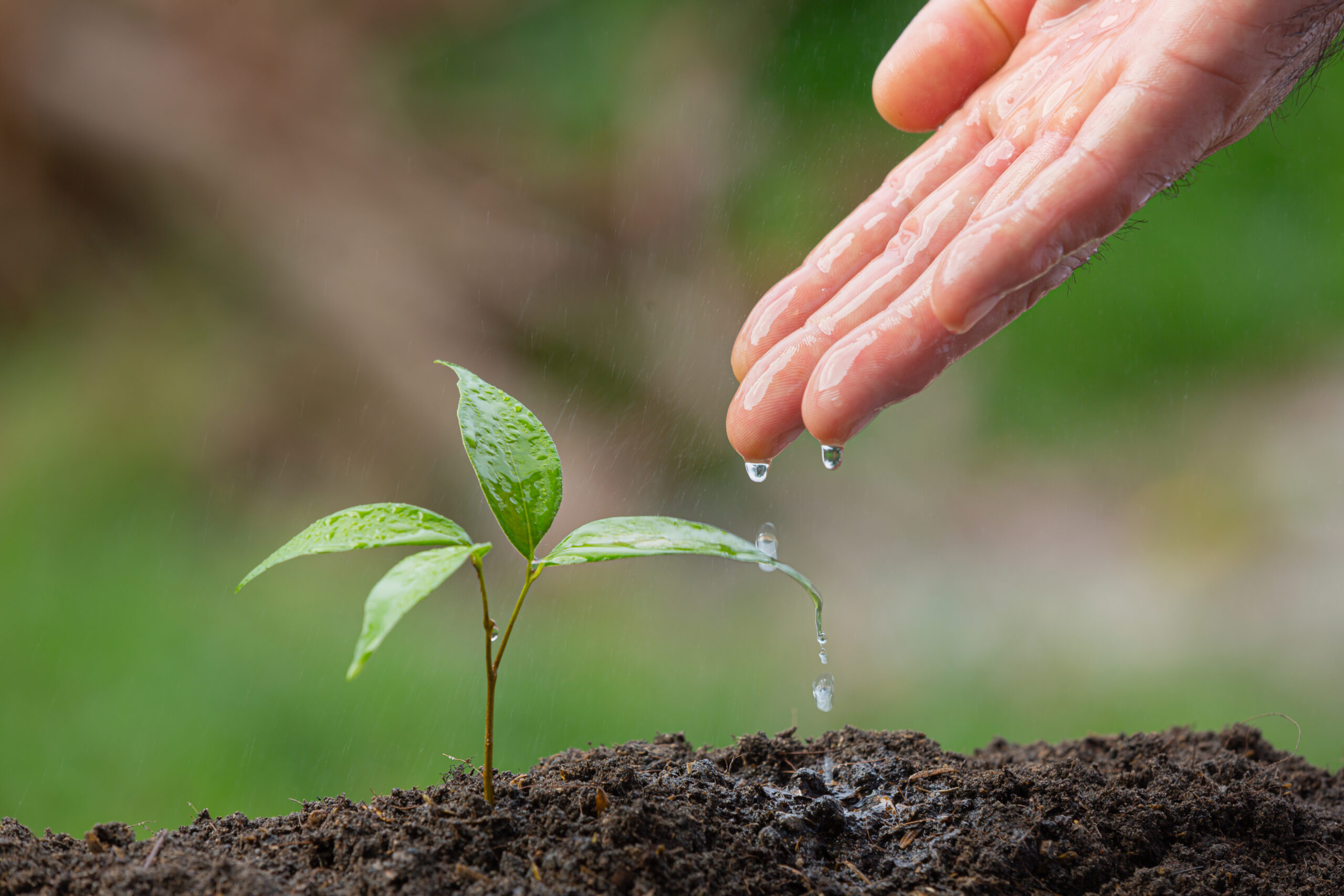
Today is the Fifteenth Sunday in Ordinary Time, Year A. The First Reading of today reminds us of something very beautiful about the Word of God. Isaiah tells us that God’s Word is like the rain and snow that come down from heaven. They never return without watering the earth, making it fertile and causing it to produce fruit. In the same way, God’s Word never returns to Him empty; it always accomplishes the purpose for which He sends it (Isaiah 55:10-11).
In the Gospel, Jesus compares the Word of God to a seed. It is a living seed, capable of producing faith, repentance, holiness, wisdom, hope and transformation. Yet every seed needs good soil if it is to bear fruit. Over the years, I have preached several times about the four different kinds of soil mentioned in this Gospel. Three years ago, I promised that when this Gospel returned, I would not speak about the soils but about the sower. Today I want us to keep our eyes, not on the ground, but on the man carrying the seed.
I would like to preach on five lessons from the sower.
The first thing that strikes me about the sower is his patience. Every farmer understands something that many of us struggle to accept: good things take time. Even when the seed falls on good soil, it does not become a harvest overnight. First, it disappears beneath the earth. Then roots begin to grow where no one can see them. Only afterwards does the green shoot emerge, and eventually, after much waiting, comes the harvest. God’s work follows the same pattern. We often want immediate answers to our prayers, instant success, quick healing and rapid solutions. God frequently asks us to wait.
The Scriptures repeatedly remind us that waiting is part of faith. “Those who wait upon the Lord shall renew their strength” (Isaiah 40:31). David tells us, “Wait for the Lord; be strong, and let your heart take courage” (Psalm 27:14). Abraham waited many years before Isaac was born. Joseph waited through slavery and imprisonment before becoming governor of Egypt. Even Jesus waited thirty years before beginning His public ministry. Impatience has destroyed many beautiful things. Some entered marriages they should never have entered because they could not wait. Others abandoned their vocation because they became tired of waiting. Many have compromised their faith because they wanted shortcuts. St. Augustine wisely said, “Patience is the companion of wisdom.” Perhaps the Lord is saying to someone here today: “Do not force the result. Trust My timing. What I am preparing for you is worth waiting for.”
A second lesson comes from the fact that the sower can sow the seed, but he cannot make it grow. Once the seed leaves his hand, he has done all that he can. Growth belongs to God. St. Paul understood this when he wrote, “I planted, Apollos watered, but God gave the growth” (1 Corinthians 3:6). This is a lesson many of us need to learn. Parents can teach their children the faith, but they cannot force them to love God. Priests can preach the Gospel, but they cannot compel conversion. Teachers can educate, friends can advise, doctors can treat, counsellors can guide. Yet there are limits to what every human being can do. We spend so much time blaming ourselves for things that lie outside our control. We exhaust ourselves trying to change hearts that only God can change. There is great wisdom in knowing where our responsibility ends and where God’s begins. The Serenity Prayer expresses this beautifully: “God, grant me the serenity to accept the things I cannot change, the courage to change the things I can, and the wisdom to know the difference.” The sower teaches us to do our part faithfully and then entrust the rest to God.
The third lesson is equally important. The sower is never discouraged. Notice that not every seed succeeds. Some fall on the pathway and are eaten by birds. Others fall on rocky ground and wither. Others are choked by thorns. Yet the sower keeps sowing. He does not throw away his basket because some seeds failed. He understands that failure is part of farming. The same is true in life. Not every effort we make will succeed, not every business venture will prosper, not every examination will be passed, not every relationship will survive, not every project will flourish. Even Jesus preached to Judas, yet Judas chose his path. Failure is not always evidence that we have done something wrong. It is often part of the journey towards fruitfulness. St. Teresa of Calcutta once said, “God has not called me to be successful; He has called me to be faithful.” That is a liberating truth.
Instead of mourning every disappointment, let us thank God for what has succeeded, learn from what has failed and continue sowing. The next seed may produce a harvest beyond anything we imagined.
The fourth lesson is perhaps the most practical for me. Life itself is sowing. Every decision we make is a seed. Every habit we cultivate is a seed. Every sacrifice we offer is a seed. Every decision we make is a seed and every sin we commit is also a seed. St. Paul tells us, “Whatever a man sows, that he will also reap” (Galatians 6:7). Hosea warned Israel, “They sow the wind, and they shall reap the whirlwind” (Hosea 8:7). Every day we are sowing something into our future. A husband who continually neglects his wife is sowing. A wife who constantly belittles her husband is sowing. A young person addicted to pornography is sowing. A father who sacrifices his family in pursuit of wealth is sowing. A mother who never has time for her children because every other priority comes first is sowing. The person who gossips is sowing. The person who forgives is sowing. The one who prays faithfully every morning is sowing. The generous person is sowing. The wicked is also sowing. None of these seeds remain buried forever. Every seed eventually produces a harvest, usually much greater than itself. A tiny seed becomes a mighty tree. One kind word may change someone’s life forever. One sinful habit may destroy a family. The question we should ask ourselves is simple: What am I sowing today? If I continue living as I am now, what kind of harvest will I reap five years from now? Ten years from now? On the day I stand before God?
Finally, I want to speak to those who are sowing in tears. Some of you are doing exactly that. You are the mother who has prayed for years for a son or daughter who has drifted away from the Church. You are the husband or wife trying to save a struggling marriage. You are caring for a sick spouse or an ageing parent. You are the priest serving faithfully without appreciation. You are the teacher pouring yourself into children who may never remember your name. You are the young person struggling to remain pure in an impure world. You are the widow carrying loneliness with quiet dignity. Every day you sow in tears.
Listen to what the Psalmist says: “Those who sow in tears shall reap with shouts of joy. He who goes out weeping, bearing the seed for sowing, shall come home with shouts of joy, bringing his sheaves with him” (Psalm 126:5-6). Your tears are not wasted. David tells us that God keeps our tears in His bottle (Psalm 56:8). Every hidden sacrifice, every unnoticed act of kindness, every lonely prayer, every faithful duty performed when nobody is watching is known to God. Heaven keeps better records than earth. People may overlook your sacrifices, but God never does. The tears you shed today are watering tomorrow’s harvest. May your tears mingle with those of Christ in Gethsemane, and may they obtain for you the grace, strength and eternal reward that God has prepared for those who persevere.
Dear brothers and sisters, today the Lord is inviting us not simply to admire the sower but to become sowers ourselves. Let us learn patience. Let us recognise the limits of our own power and leave room for God to work. Let us refuse to be discouraged by setbacks. Let us sow only what we hope to reap. And if today you are sowing in tears, remember that the God who gives growth will also give the harvest in His own perfect time.
May the Word of God, which never returns empty, find in each of us a receptive heart and produce a harvest thirtyfold, sixtyfold and a hundredfold, through Christ our Lord. Amen.
Sermon preached by Fr Emmanuel Baraka-Gukena Okami on July 12, 2026.