

Readings: Zechariah 9:9-10; Psalm 145; Romans 8:9, 11-13; Matthew 11:25-30
Grace and peace to you, dear brothers and sisters in the Lord. Today is the 14th Sunday in Ordinary Time, Year A. The readings of today are so rich. There are many themes we could explore, especially from the Gospel.
Perhaps I should begin by doing a little scriptural surgery so that we can appreciate the richness of today’s Gospel and the different dimensions it presents.
A. Jesus blesses the Father for hiding the mysteries of the Kingdom from the wise and the learned and revealing them to mere children.
Here we can ask two important questions:
I. What are the chief mysteries of the Kingdom?
II. Why did God hide them from the wise and the learned?
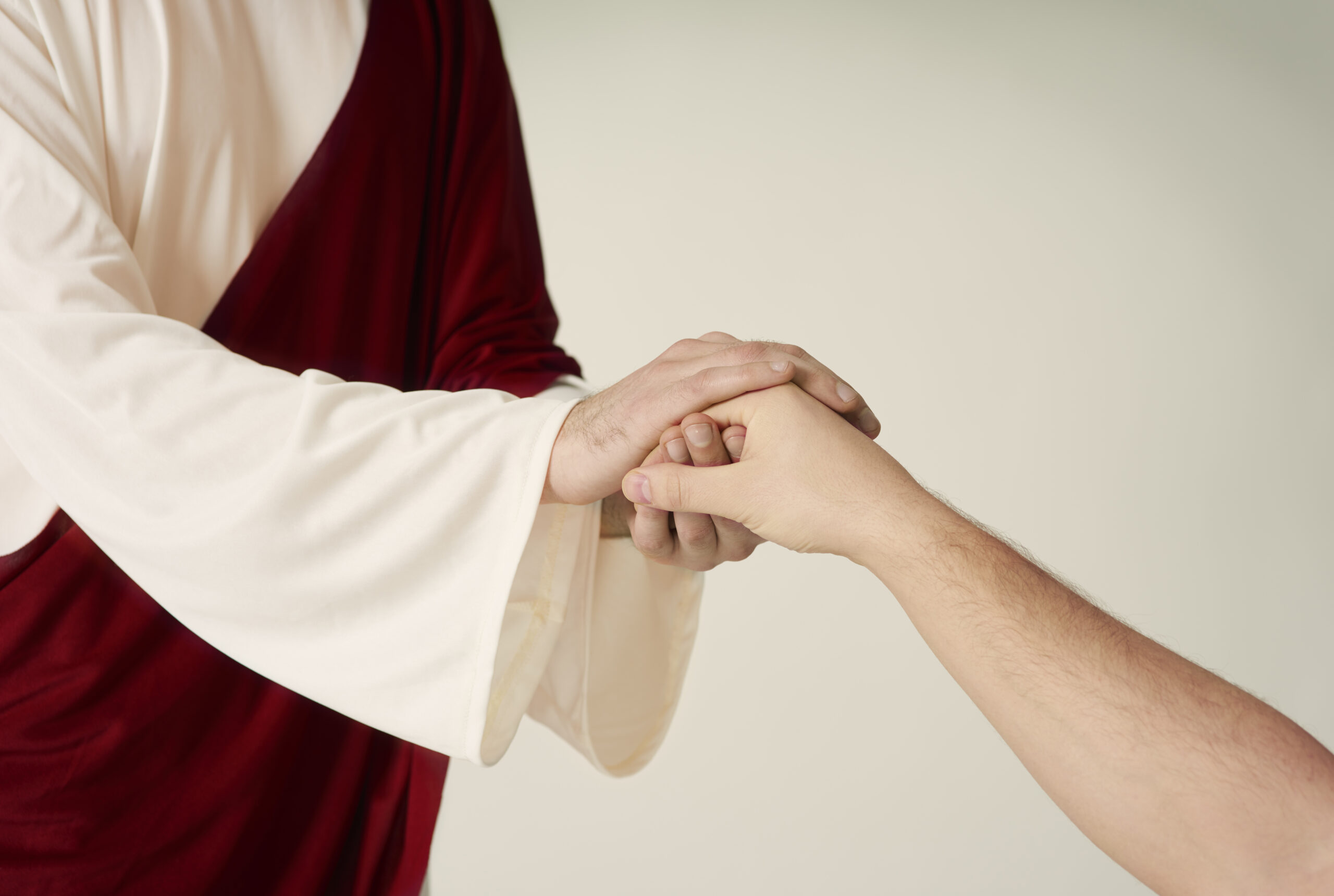
B. Jesus invites all who labour and are overburdened to come to Him.
Again, two questions arise:
I. What are people burdened with today? More personally, what are your burdens?
II.What kind of rest does Jesus give?
C. Jesus invites us to shoulder His yoke and learn from Him.
Here too we can ask:
I. What is the yoke that Jesus invites us to carry?
II. What are we called to learn from Him?
Today, I would like to reflect on these three invitations of Jesus.
I have broken this homily into three so that I can preach the different themes at the different Masses, preaching these themes at once will cause constipation.
MESSAGE ONE: THE MYSTERIES OF THE KINGDOM
What are the mysteries of the kingdom revealed to us?
I. Love is the boarding pass to the Kingdom
We enter heaven not because of our wealth, achievements or status, but because we have loved God and our neighbour. At the Last Judgment, the criterion will be love expressed in works of mercy (Matthew 25:31-46). Jesus Himself teaches that the greatest commandments are to love God and neighbour (Matthew 22:37-40). Love is the mark of every true disciple and the passport into eternal life.
II. Suffering purifies us and has eternal value
The world sees suffering as meaningless, but the Kingdom reveals its redemptive value. When united with Christ’s Cross, suffering purifies us, deepens our faith and prepares us for glory. St. Paul reminds us: “This slight momentary affliction is preparing for us an eternal weight of glory beyond all comparison” (2 Corinthians 4:17). No suffering offered to God in love is ever wasted.
III. The Kingdom is not only where we go; it is also what comes to us
Many think of the Kingdom only as heaven after death. Jesus teaches otherwise. He says, “The Kingdom of God is in your midst” (Luke 17:21). Wherever God reigns in hearts, families and communities, His Kingdom is already present. The Kingdom is not only where we go to, it also comes in us.
IV. The mystery of grace
The Christian life is impossible without grace. Jesus says, “Apart from me you can do nothing” (John 15:5). Grace is God’s free gift that strengthens our weakness and enables us to live beyond our natural abilities. St. Paul acknowledged this when he declared, “By the grace of God I am what I am” (1 Corinthians 15:10). Before God, we rely not on merit but on grace and mercy and this is why there is no room for boast.
V. Greatness in the Kingdom is measured by humility and service
The world measures greatness by wealth, influence and power. God’s Kingdom measures greatness by humility and service. Jesus taught, “Whoever would be great among you must be your servant” (Mark 10:42-45). The King of kings washed His disciples’ feet and laid down His life for them. Every act of humble service makes us more like Christ and prepares us for eternal glory.
These mysteries challenge us to think differently from the world. The more we embrace them, the more heaven begins to take root in our hearts.
MESSAGE TWO: “I WILL GIVE YOU REST”
What kind of rest does Jesus promise?
I. Rest from the slavery of sin
Christ breaks the chains of sin and gives us the freedom of the children of God (John 8:34-36; Galatians 5:1).
II. Rest from guilt and condemnation
Through His mercy and forgiveness, Jesus heals the wounded conscience and restores our peace. (Romans 8:1).
III. Rest from anxiety, worries and fears
He invites us to place every burden before Him (Philippians 4:6-7).
IV. Rest from the frustration of emptiness
Jesus alone satisfies the deepest hunger of the human heart. “I came that they may have life, and have it abundantly” (John 10:10).
V. Rest from despair, hopelessness and meaninglessness
Christ gives us hope, purpose and confidence in the future. As St. Paul says, “Christ in you, the hope of glory” (Colossians 1:27).
VI. The eternal rest of heaven
The fullness of Christ’s promise is eternal communion with God, where every tear will be wiped away and His faithful people will enjoy everlasting peace (John 14:1-3; Revelation 21:3-4).
MESSAGE THREE: “LEARN FROM ME”
What are we called to learn from Jesus?
I. Humility
Jesus emptied Himself and took the form of a servant (Philippians 2:5-8). He teaches us to reject pride and place God and others before ourselves.
II. Gentleness
Jesus describes Himself as “gentle and humble in heart” (Matthew 11:29). He dealt patiently, compassionately and mercifully with people, even those who opposed Him.
III. Love
Jesus loved without limits. He loved His friends, forgave His enemies and laid down His life for us (John 15:13). He commands us to love as He has loved us.
IV. Obedience
Jesus perfectly obeyed the Father’s will, even unto death on the Cross (Philippians 2:8). He teaches us to trust God’s plans above our own.
V. Detachment
Though He was rich, He became poor for our sake (2 Corinthians 8:9). He teaches us not to cling to possessions, status or worldly comforts, but to seek first the Kingdom of God (Matthew 6:33).
VI. Service
Jesus came not to be served but to serve (Mark 10:45). He teaches us that true greatness is found in humble service to God and to one another.
The First Reading corroborates this third message beautifully. It presents the Messiah as humble, gentle and peaceful, riding on a donkey rather than a war horse. The Second Reading reminds us that such a life is only possible through the power of the Holy Spirit dwelling within us (Romans 8:9-11). Let us therefore pray that we may not be governed by the flesh but by the Spirit of Christ.
May we welcome the Kingdom into our hearts, find our rest in Jesus alone, and imitate Him daily in humility, gentleness, love, obedience, detachment and service. Then, having faithfully followed Him on earth, may we one day enter into His everlasting rest in heaven. Amen.
Sermon preached by Fr Emmanuel Baraka-Gukena Okami on July 5, 2026