

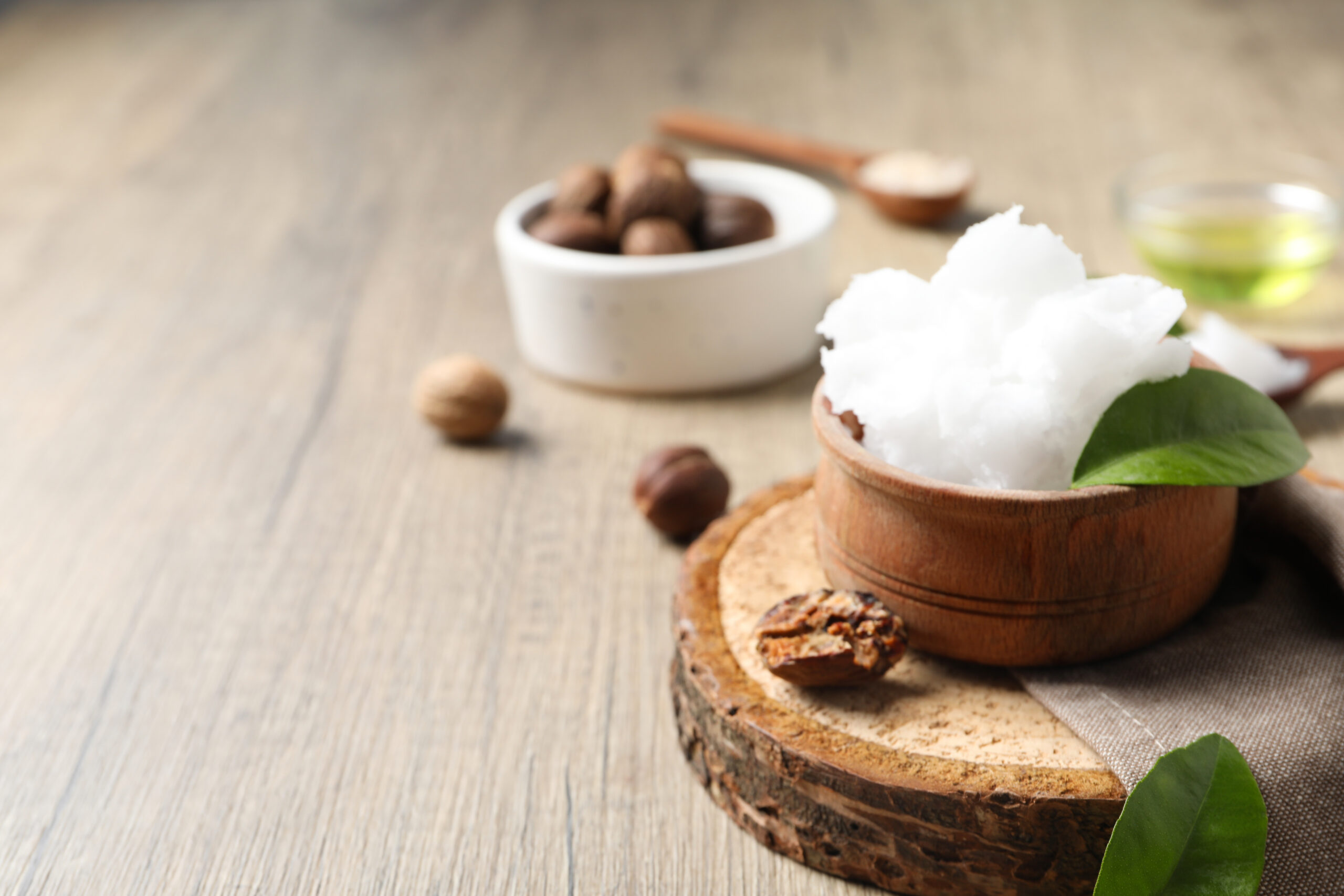
When it comes to natural beauty products, shea butter remains one of the most popular choices for keeping the skin soft, smooth and moisturised. Extracted from the nuts of the shea tree, which grows mainly in West Africa, this rich, creamy butter has been used for generations in traditional beauty and skincare routines.
From moisturising dry skin to caring for rough elbows and heels, shea butter has earned its place in many homes. However, there is more to this natural product than simply scooping some out of a container and applying it to the skin.
What exactly is shea butter?
Shea butter is a natural fat extracted from the nuts of the shea tree, scientifically known as Vitellaria paradoxa. The tree is native to Africa and grows across countries such as Nigeria, Ghana, Burkina Faso and Mali.
In Nigeria, shea butter is commonly known as ori and is particularly familiar in traditional beauty routines. It is usually creamy or pale yellow in colour, although its appearance can vary depending on how it is processed.
It contains fatty acids, including oleic and stearic acids, as well as naturally occurring compounds such as vitamin E, which contribute to its skin conditioning properties.
-It is an excellent moisturiser
One of the biggest reasons people love shea butter is its ability to moisturise the skin. Its rich texture helps soften the skin and reduce moisture loss by forming a protective layer on its surface.
It is particularly useful for people with dry skin, especially on areas such as the elbows, knees, feet and hands. Applying a small amount after bathing, while the skin is still slightly damp, can help keep it feeling soft for longer.
-It can help soothe dry and irritated skin
Shea butter contains compounds with anti-inflammatory properties, which may help soothe dry and uncomfortable skin. Its moisturising qualities can also help improve the appearance of flaky skin.
However, it should not be regarded as a treatment for skin conditions such as eczema, psoriasis or severe irritation. Anyone experiencing persistent skin discomfort should seek advice from a qualified healthcare professional.
-It is useful for hair care
Shea butter is not just for the skin. It is also used in hair care, particularly for dry, coarse and textured hair.
When applied sparingly, it can help condition the hair, reduce dryness and improve softness. It is also commonly used to seal in moisture after applying a water-based moisturiser or leave-in conditioner.
However, because of its thick consistency, applying too much can leave the hair greasy or weighed down. It is best to start with a small quantity and adjust according to your hair’s needs.
Raw and refined shea butter are different
When shopping for shea butter, you may come across raw and refined varieties.
Raw shea butter is generally less processed and may retain more of its natural scent, colour and beneficial plant compounds. It often has a slightly nutty or earthy smell.
Refined shea butter undergoes additional processing to remove its natural scent and colour, giving it a more uniform appearance. Some processing methods may also reduce certain naturally occurring compounds.
Neither variety is automatically suitable for everyone. The quality of the product and how it is processed are important considerations.
-It may help soften rough areas of the body
If your elbows, knees, heels or knuckles tend to become rough and dry, shea butter may be a useful addition to your beauty routine.
Its rich consistency helps condition these areas, leaving them feeling softer and smoother. For particularly dry feet, apply a little before bedtime and wear cotton socks to help keep the product in place.
Can shea butter cause breakouts?
Although shea butter works well for many people, it may not be the best choice for every skin type. Its rich texture can feel heavy, particularly on oily or acne-prone skin.
If you are prone to pimples or clogged pores, consider using it sparingly and avoid applying thick layers to your face. You can also try it on a small area of skin first to see how your skin responds.
How to choose and store your shea butter
Always purchase shea butter from a reputable seller. Look for products with clear ingredient information and avoid those containing unnecessary additives if you prefer a natural option.
Store it in a clean, dry, airtight container away from direct sunlight and excessive heat. Always use clean, dry hands or a clean spatula when scooping it out to reduce contamination.
A little goes a long way
Shea butter is a versatile beauty product that can be used to moisturise the skin, condition dry hair and soften rough areas of the body. Its long history of use in African beauty routines makes it a familiar favourite, but it is important to remember that natural does not automatically mean suitable for everyone.
Whether you prefer raw shea butter or a refined variety, the secret is to use it appropriately and pay attention to how your skin and hair respond. Sometimes, a little of this traditional beauty favourite is all you need to give your skincare routine a moisturising boost.