

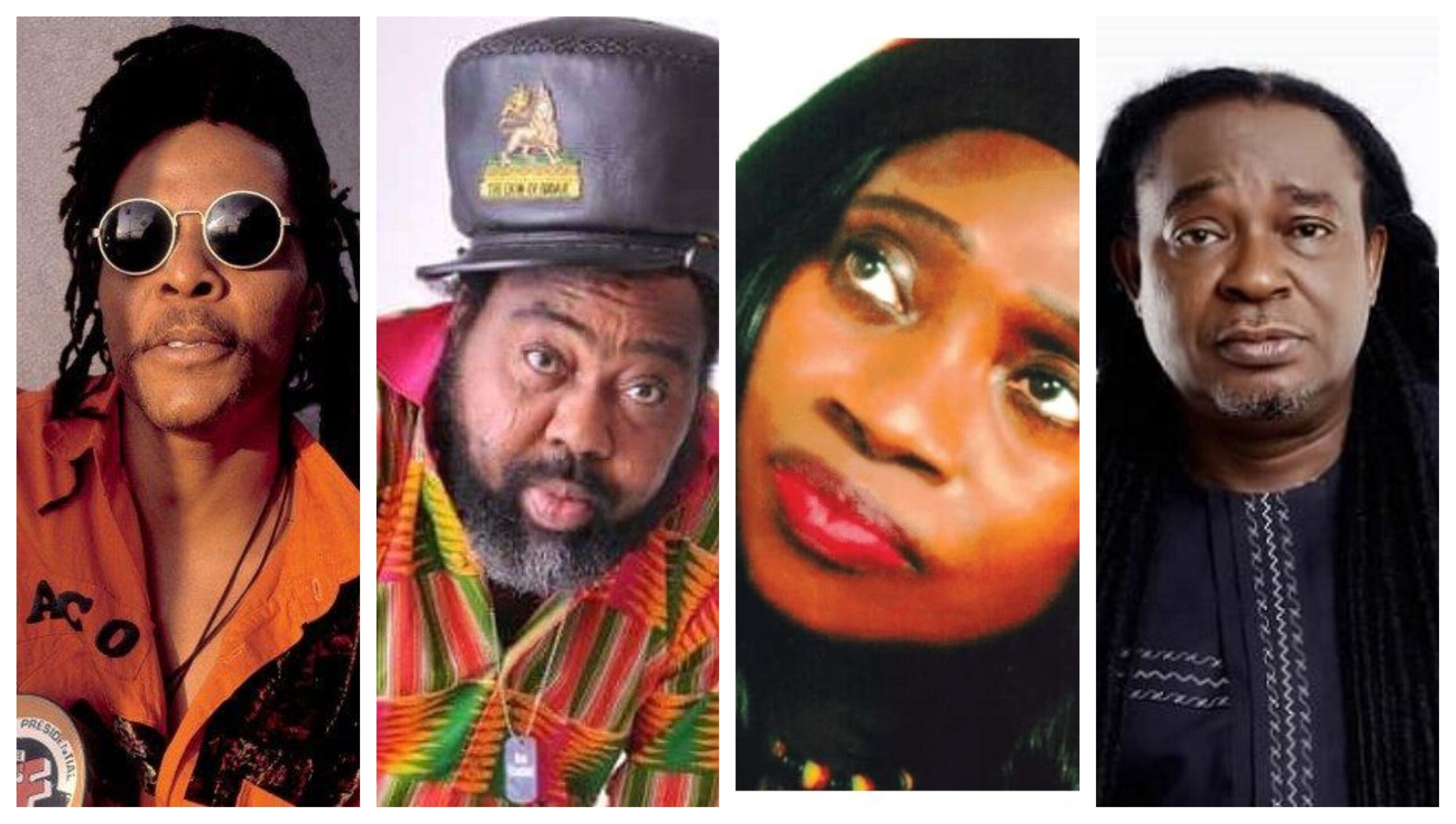
Before Afrobeats took Nigerian music to the international stage, reggae had its own special place in the hearts of music lovers. From the late 1970s through the 1980s and 1990s, Nigerian musicians embraced the Jamaican genre, giving it a local identity through songs about love, freedom, unity, social justice and everyday struggles.
Reggae was more than just music. It was a voice for the people, and several Nigerian artistes helped make it popular. This Throwback Thursday, we remember some of the pioneers who shaped the country’s reggae music scene.
1. Sonny Okosuns
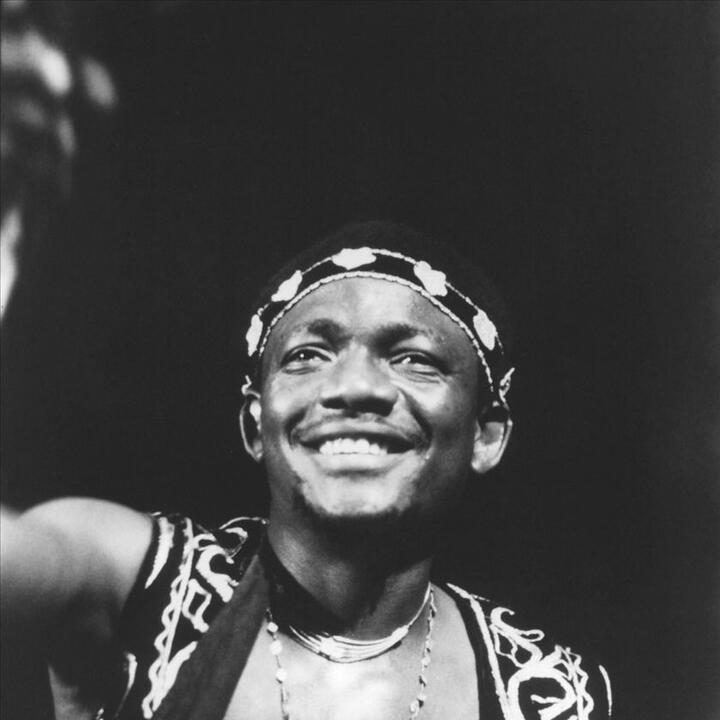
One of the early contributors to Nigeria’s reggae movement, Sonny Okosuns was known for his Afro reggae sound, which blended Jamaican reggae influences with African rhythms. His songs often carried messages about freedom, unity and social justice. He helped establish a distinctly African identity for reggae music.
2. Majek Fashek
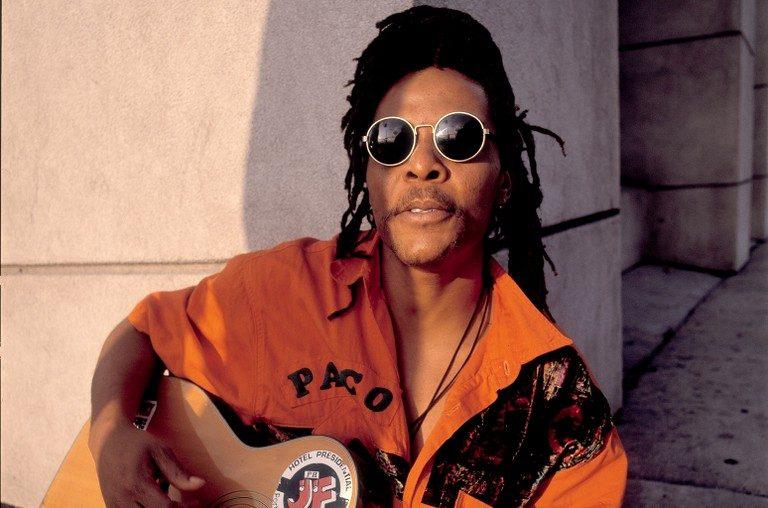
Popularly known as the Rainmaker, Majek Fashek became one of Nigeria’s most celebrated reggae musicians. His 1988 hit, Send Down the Rain, remains one of the most memorable Nigerian songs of its generation. Other popular songs include So Long, Holy Spirit and African Unity. His distinctive voice and spiritual approach to reggae earned him international recognition.
3. Ras Kimono
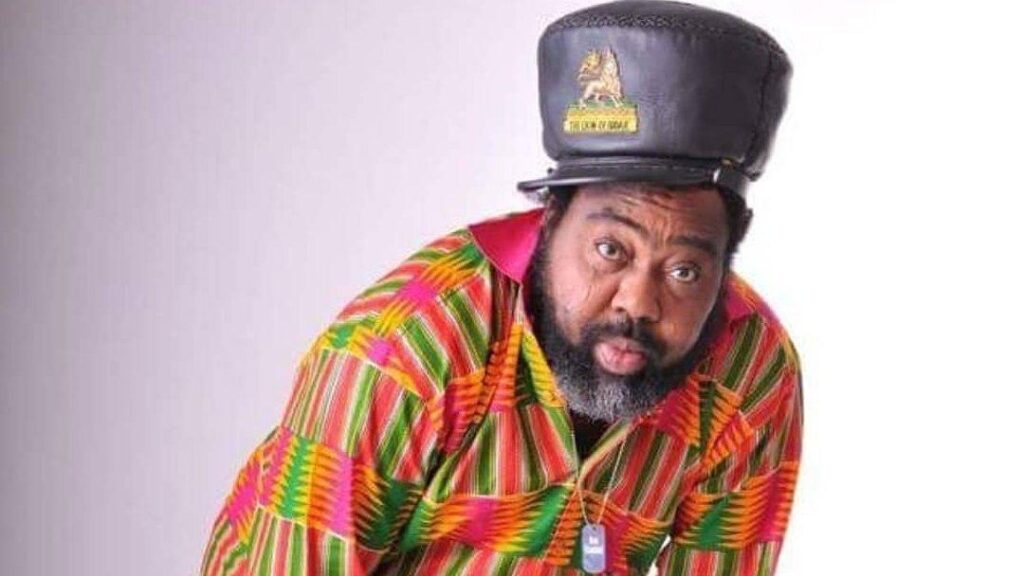
Ras Kimono made a lasting impression with his energetic performances and socially conscious lyrics. His 1989 album, Under Pressure, brought him widespread attention. Songs such as Rhumba Stylee entertained audiences while reflecting the realities of ordinary Nigerians.
4. Evi Edna Ogholi
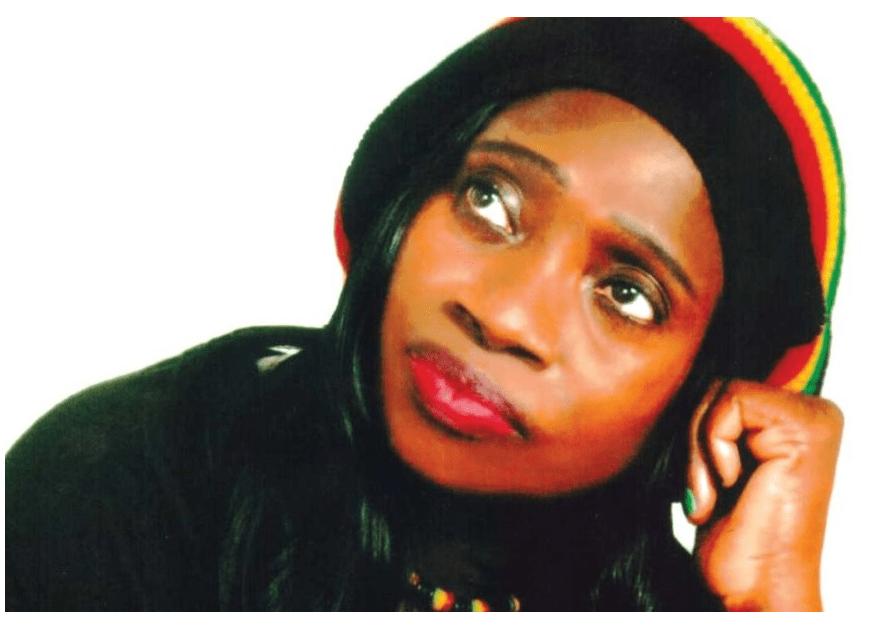
Widely celebrated as the Queen of Nigerian Reggae, Evi Edna Ogholi was one of the most successful female artistes in the genre. Her songs, including Happy Birthday and Unity, earned her a loyal following. With her unique voice and memorable performances, she proved that women could also command attention in the reggae music scene.
5. Orits Wiliki
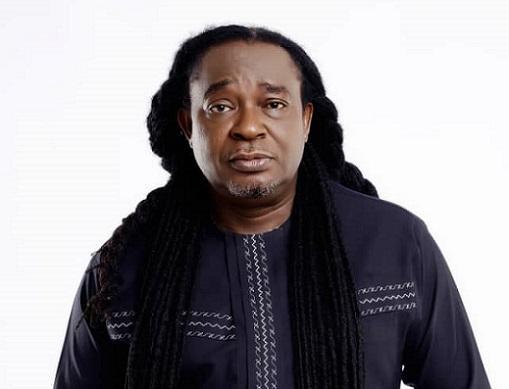
Orits Wiliki became known for his socially conscious reggae music. His songs addressed issues affecting society while maintaining the infectious rhythms that made reggae popular. He remains one of the notable names associated with Nigerian reggae.
Although Afrobeats, hip hop and other contemporary genres now dominate the Nigerian music scene, the contributions of these pioneers should not be forgotten. They introduced local audiences to a sound that went beyond entertainment, using music to tell stories, challenge society and celebrate African identity.