

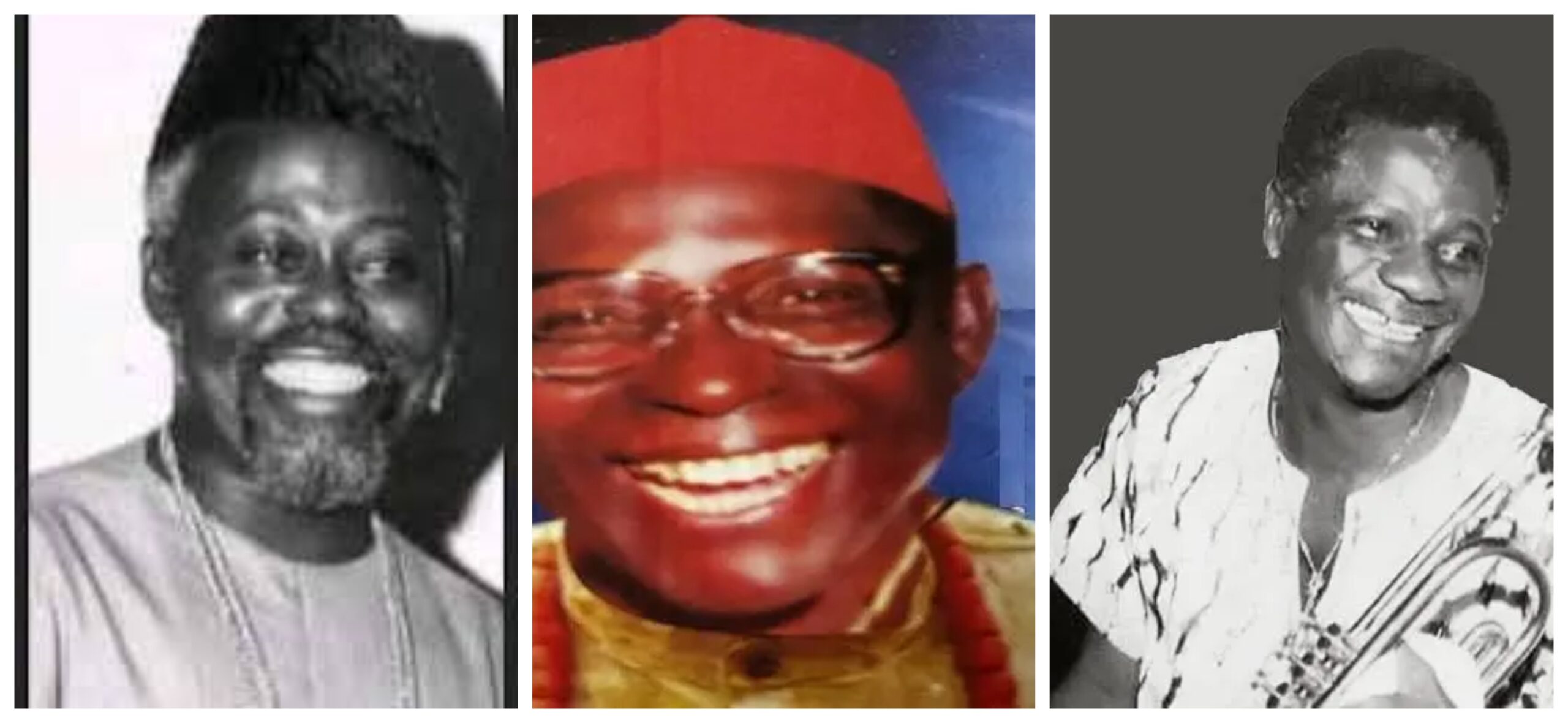
Highlife music holds a special place in Nigeria’s cultural history. Originating from West African coastal communities and shaped by a blend of traditional rhythms, jazz, brass band music and local melodies, it rose to prominence in Nigeria in the mid twentieth century. Several pioneers laid the foundation for what became one of the country’s most influential and enduring music genres.
Bobby Benson
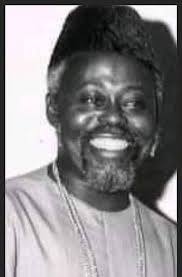
One of the earliest figures in Nigerian highlife history was Bobby Benson. A multi-talented entertainer, he brought glamour and sophistication to the Lagos music scene in the 1950s and 1960s. His band, the Jam Session Orchestra, helped shape the sound of urban highlife, blending swing, jazz and African rhythms in a way that appealed to a rapidly modernising society. His performances at his club became a major attraction for music lovers in Lagos.
Osita Osadebe
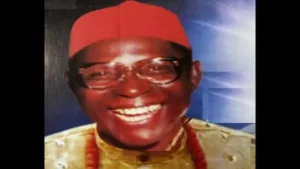
The legacy of highlife cannot be told without Osita Osadebe, whose career helped define the genre in the eastern part of Nigeria. His long, flowing compositions and philosophical lyrics gave highlife a reflective tone. He was known for music that encouraged patience, dignity and perseverance, earning him a devoted following across the country.
Victor Olaiya
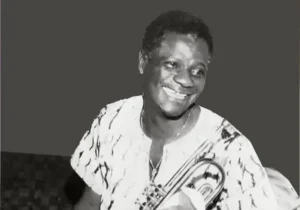
In the western region, Victor Olaiya brought a distinctive brass-driven energy to highlife. Known as the Evil Genius of Highlife, he introduced a more dance-focused and upbeat style that dominated Lagos nightlife for decades. His trumpet playing and stage presence helped bridge traditional highlife with emerging pop influences.
Victor Uwaifo
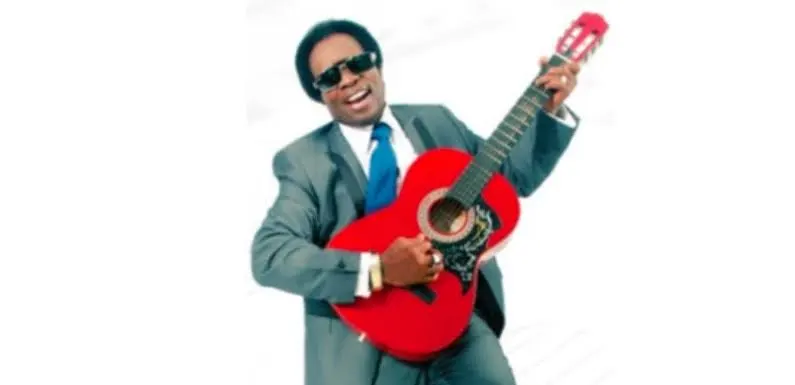
A later but equally important contributor was Victor Uwaifo, whose creativity expanded the boundaries of highlife. A gifted guitarist and storyteller, he infused highlife with innovative instrumentation and theatrical performance. His work showed how the genre could evolve while remaining rooted in African rhythm and identity.
Oliver De Coque
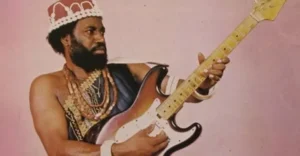
Oliver De Coque brought a unique flavour to highlife that blended traditional Igbo rhythms with rich guitar-driven melodies and modern highlife structure. Rising to prominence in the 1970s and 1980s, he became known for his long, infectious tracks and signature guitar style, often delivering music that felt both celebratory and deeply rooted in culture.
He was one of the most commercially successful highlife musicians of his time, releasing numerous albums that reflected everyday life, wealth, morality, success and social commentary. His music carried a distinct storytelling style, often addressing themes of prosperity and perseverance in a way that resonated widely with audiences across Nigeria.
The richness of highlife lies in its ability to tell human stories with warmth and rhythm. Thanks to these early architects, it remains not just a genre, but a living archive of Nigeria’s cultural memory.