

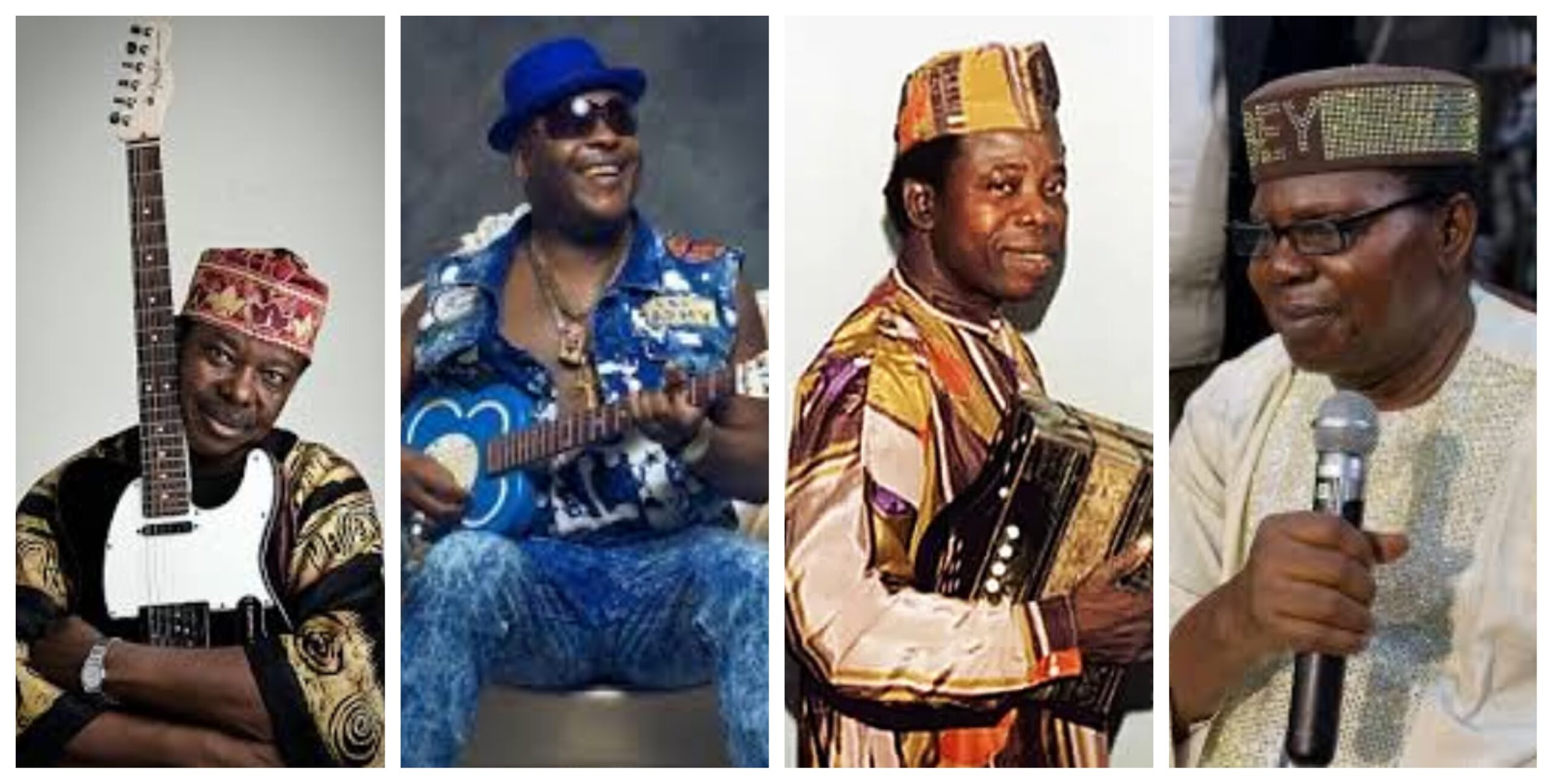
Juju music remains one of Nigeria’s most influential musical genres, blending traditional Yoruba percussion with modern instruments and captivating storytelling. Long before contemporary Afrobeats gained global recognition, Juju music served as a powerful cultural expression, entertaining audiences and preserving indigenous traditions.
As we look back, here are four pioneers whose contributions shaped the growth and popularity of Juju music in Nigeria.
1. I. K. Dairo
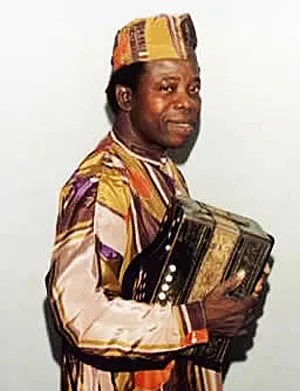
Isaiah Kehinde Dairo, popularly known as I. K. Dairo, elevated Juju music to national and international prominence. He introduced innovative instruments such as the accordion into Juju music, giving the genre a richer and more dynamic sound.
In 1963, he became the first Nigerian musician to receive the honour of Member of the Order of the British Empire. His success helped establish Juju music as a respected art form both within and outside Nigeria.
2. Ebenezer Obey

Chief Ebenezer Obey transformed Juju music through his unique blend of philosophy, spirituality, and entertainment. Rising to fame in the 1960s and 1970s, he became known for his lengthy compositions filled with wise counsel and moral lessons.
His music resonated with listeners across generations, and his ability to blend traditional rhythms with contemporary influences broadened Juju music’s appeal.
3. King Sunny Adé
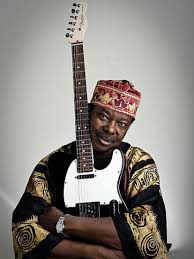
No discussion about Juju music is complete without mentioning King Sunny Adé. Widely celebrated as one of Africa’s greatest musicians, he expanded the reach of Juju music beyond Nigeria’s borders.
His innovative use of electric guitars, synthesisers, and stage performances brought a fresh dimension to the genre. During the 1980s, his international tours and recordings introduced global audiences to Nigerian music and culture.
4. Sir Shina Peters

Sir Shina Peters revolutionised Juju music with a faster and more energetic style that captivated audiences in the late 1980s and 1990s. His music incorporated danceable rhythms and elaborate instrumental arrangements that attracted younger listeners.
His landmark album Ace became a massive success and remains one of the most celebrated records in Nigerian music history. Sir Shina Peters helped keep Juju music relevant during a period of significant change in the country’s music scene.
While music trends continue to change, the legacy of these legends remains firmly rooted in Nigeria’s cultural history.