

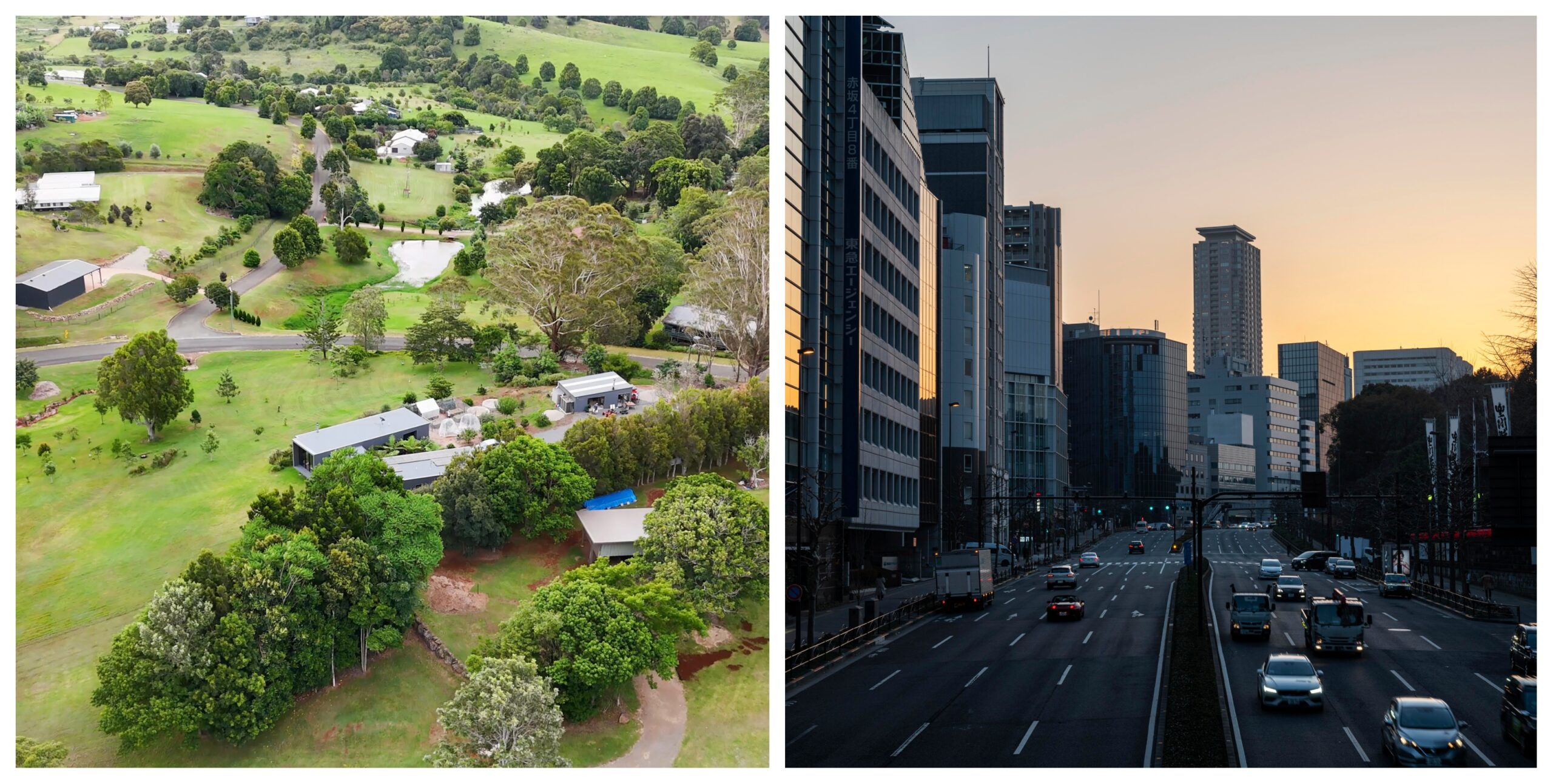
Choosing where to live is about more than finding a house. It is about choosing a lifestyle. Some people long for the peace and simplicity of the countryside, while others are energised by the opportunities and excitement of city living. Both rural and urban environments have unique advantages and challenges that shape the way people work, socialise and raise families. Before deciding where to put down roots, it is worth understanding what each lifestyle truly offers.
1. Pace of life
Rural communities are known for their slower, more relaxed way of life. There is often less traffic, less noise and fewer daily pressures. In contrast, urban life moves quickly, with busy roads, packed schedules and constant activity that can be exciting for some but overwhelming for others.
2. Cost of living
Living in the countryside often comes with lower housing costs and more spacious homes. Cities, on the other hand, usually have higher rents, property prices and living expenses. However, urban residents may have easier access to higher-paying jobs that can offset these costs.
3. Career opportunities
Cities offer a wider range of employment opportunities across different industries. They are home to corporate headquarters, start-ups, and major institutions. Rural areas may have fewer job options, although remote working has created new possibilities for many professionals.
4. Community and social life
Rural communities often have close relationships where neighbours know and support one another. Urban areas offer greater diversity and countless opportunities to meet people, although city life can sometimes feel less personal.
5. Access to services
Healthcare, education, public transport and entertainment are generally more accessible in cities. Rural residents may need to travel longer distances to reach hospitals, universities or shopping centres.
6. Environment and wellbeing
Fresh air, green spaces and lower levels of pollution make rural living attractive to those seeking a healthier environment. Urban residents enjoy parks and recreational facilities, but they may also contend with traffic, noise and air pollution.
7. Lifestyle and convenience
Cities provide convenience with restaurants, cinemas, shopping centres and cultural attractions close at hand. Rural living offers fewer amenities but rewards residents with tranquillity, natural beauty and a stronger connection to nature.
There is no right or wrong choice when it comes to rural or urban living. Some people flourish in the energy of the city, while others find happiness in the calm of the countryside. The ideal place to live is the one that supports your wellbeing and allows you to build the life you want.