

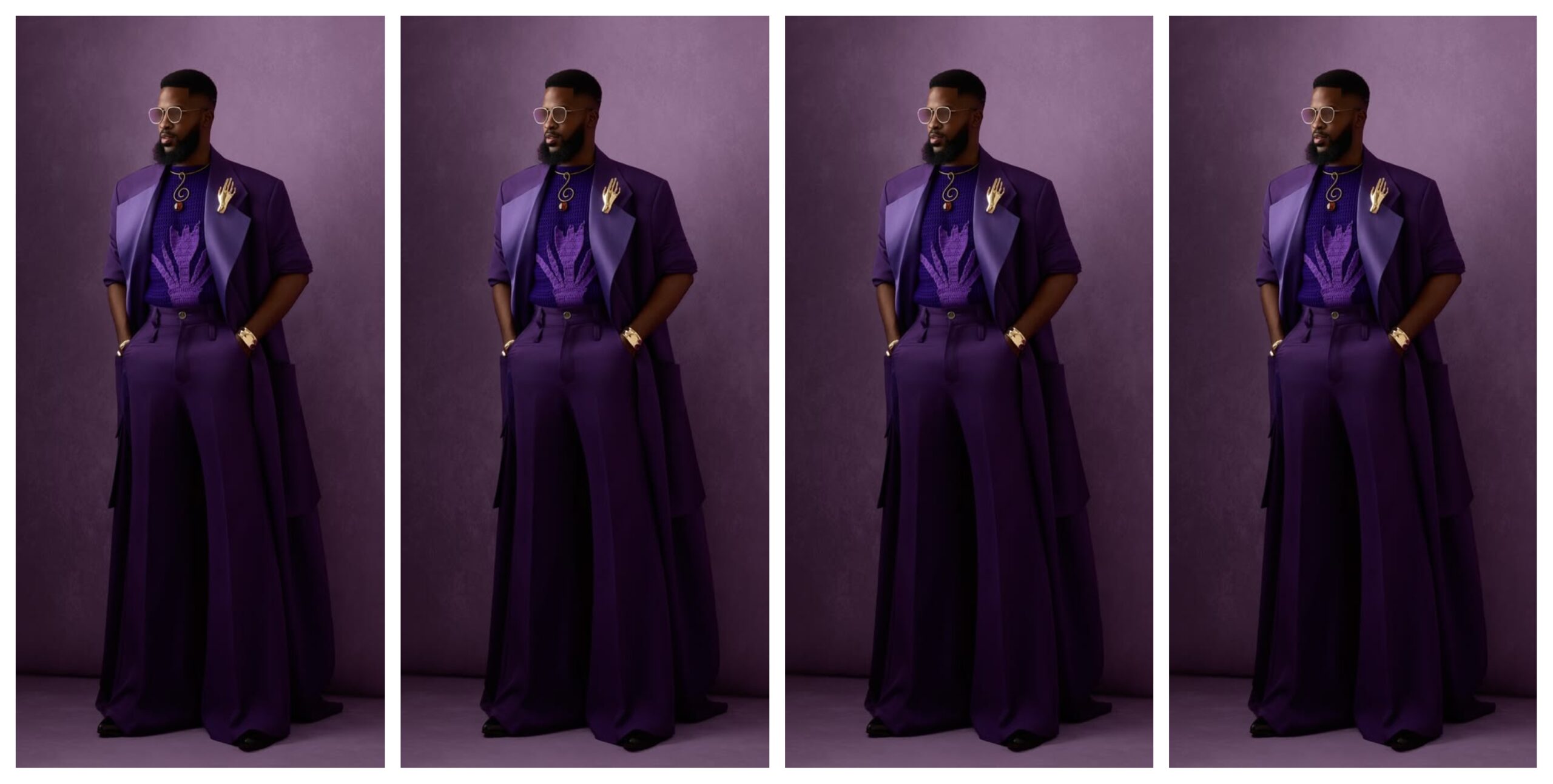
For years, men’s fashion was built around the idea that less is more. Neutral colours, simple tailoring and understated accessories were considered the safest route to looking stylish. Today, however, a new wave of confidence is changing the rules. Enter the maximalist man, a man who is not afraid to wear colour, embrace bold prints and make fashion a form of self-expression.
Maximalism is not about wearing everything at once or looking chaotic. It is about dressing with intention, personality and creativity. It celebrates individuality and proves that style does not have to be quiet to be sophisticated.
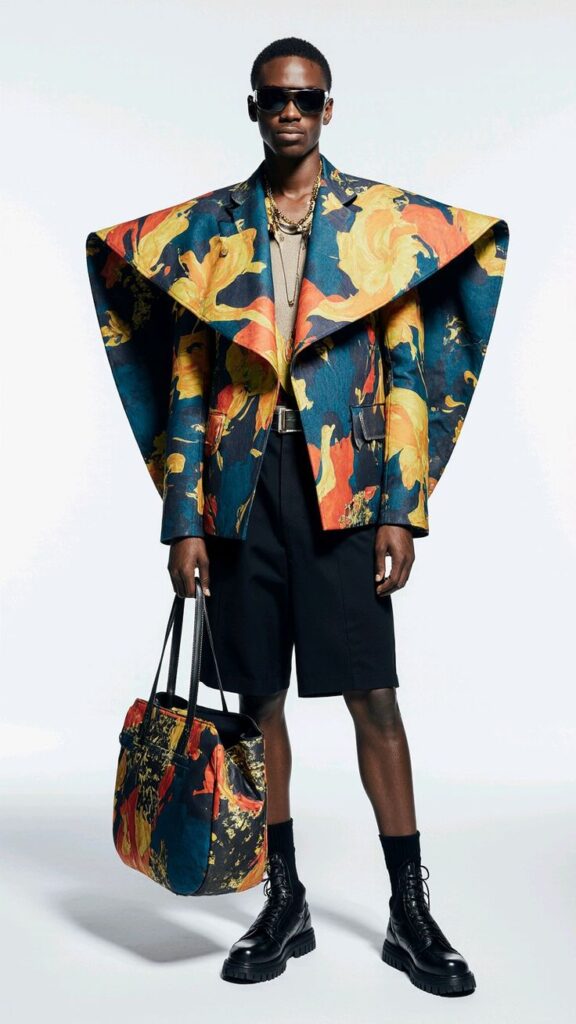
What is maximalist style?
Maximalist fashion is the opposite of minimalism. Rather than relying on plain basics and muted shades, it embraces rich colours, eye-catching patterns, luxurious fabrics and statement accessories.
A maximalist wardrobe may include vibrant suits, embroidered jackets, patterned shirts, textured fabrics, colourful footwear and striking jewellery. The goal is not to shock people but to express confidence through clothing.
Confidence is the first accessory
The most important element of maximalist dressing is confidence. A bold outfit only works when it is worn with ease. Wearing bright colours or unusual combinations can attract attention, so confidence becomes just as important as the clothes themselves.
The maximalist man understands that fashion is a reflection of personality rather than a competition for approval.
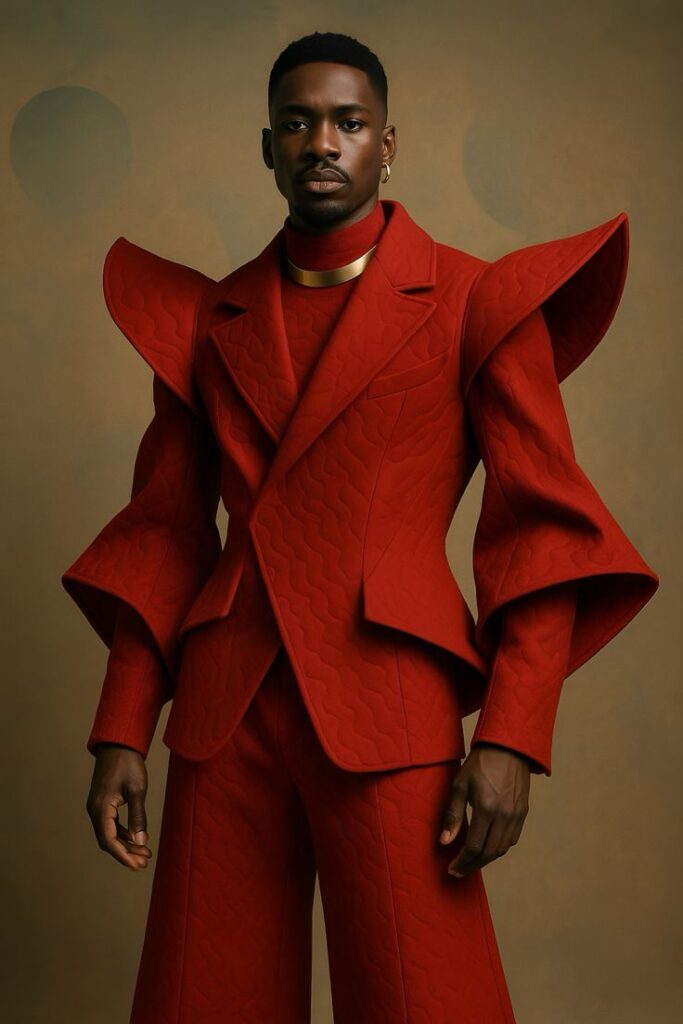
Colour becomes your signature
One of the easiest ways to embrace maximalism is through colour. Deep emerald green, royal blue, burnt orange, mustard yellow and rich burgundy can instantly transform an outfit.
Instead of relying on black, grey and navy every day, experiment with combinations that create energy and interest. Even a colourful blazer paired with tailored trousers can make a memorable statement.
Prints deserve attention
Floral shirts, geometric designs, abstract patterns and traditional African prints all have a place in the maximalist wardrobe.
The secret is balance. If one piece is heavily patterned, let the rest of the outfit support it rather than compete with it. Over time, as confidence grows, mixing different prints becomes easier and more natural.
Texture adds another dimension
Style is not only about colour. Texture can make an outfit appear richer and more sophisticated.
Velvet jackets, linen suits, corduroy trousers, silk shirts and knitted pieces all add visual interest. Combining different fabrics creates depth without relying entirely on bold colours.
Accessories tell the story
A maximalist look is rarely complete without carefully chosen accessories.
Statement watches, layered bracelets, rings, scarves, hats, pocket squares, designer eyewear and distinctive shoes all contribute to the overall appearance. Each accessory should feel intentional rather than random.
The aim is to enhance the outfit rather than overwhelm it.
Tailoring still matters
No matter how bold the outfit, the fit remains essential. A colourful suit that fits perfectly will always look more stylish than an expensive, poorly tailored outfit.
Maximalism is not an excuse to ignore proportion or quality. Sharp tailoring allows dramatic pieces to look refined rather than excessive.
Know when to stop
One common misconception is that maximalism means wearing as many statement pieces as possible. In reality, even the boldest dressers know when enough is enough.
Choose one or two standout elements and allow them to become the focus. A striking jacket, colourful shoes or an eye-catching shirt can speak volumes without every item competing for attention.
Inspiration is everywhere
Many modern designers and celebrities have embraced maximalism, proving that men’s fashion can be expressive without sacrificing elegance.
Whether inspired by classic tailoring, African fashion, vintage style or modern streetwear, the key is to create a wardrobe that reflects your own personality rather than copying someone else’s.