


For people who often find themselves taking responsibility for family, work or those around them, having a few essential items within reach is a practical habit worth developing. You do not need to carry a survival kit everywhere, but there are certain things you should always have access to when trouble strikes.
Here are five things you need during an emergency.
1. A fully charged phone
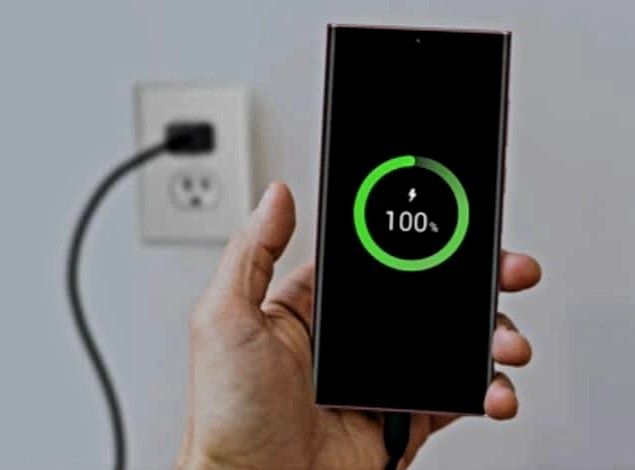
Your phone is one of your most important emergency tools. Beyond making calls, it can help you access maps, contact emergency services, send your location, check important information and communicate with family or colleagues.
Make it a habit to keep your phone adequately charged, particularly when you know you will be travelling or spending several hours away from home. A power bank is also useful when you cannot access electricity.
2. A Torch
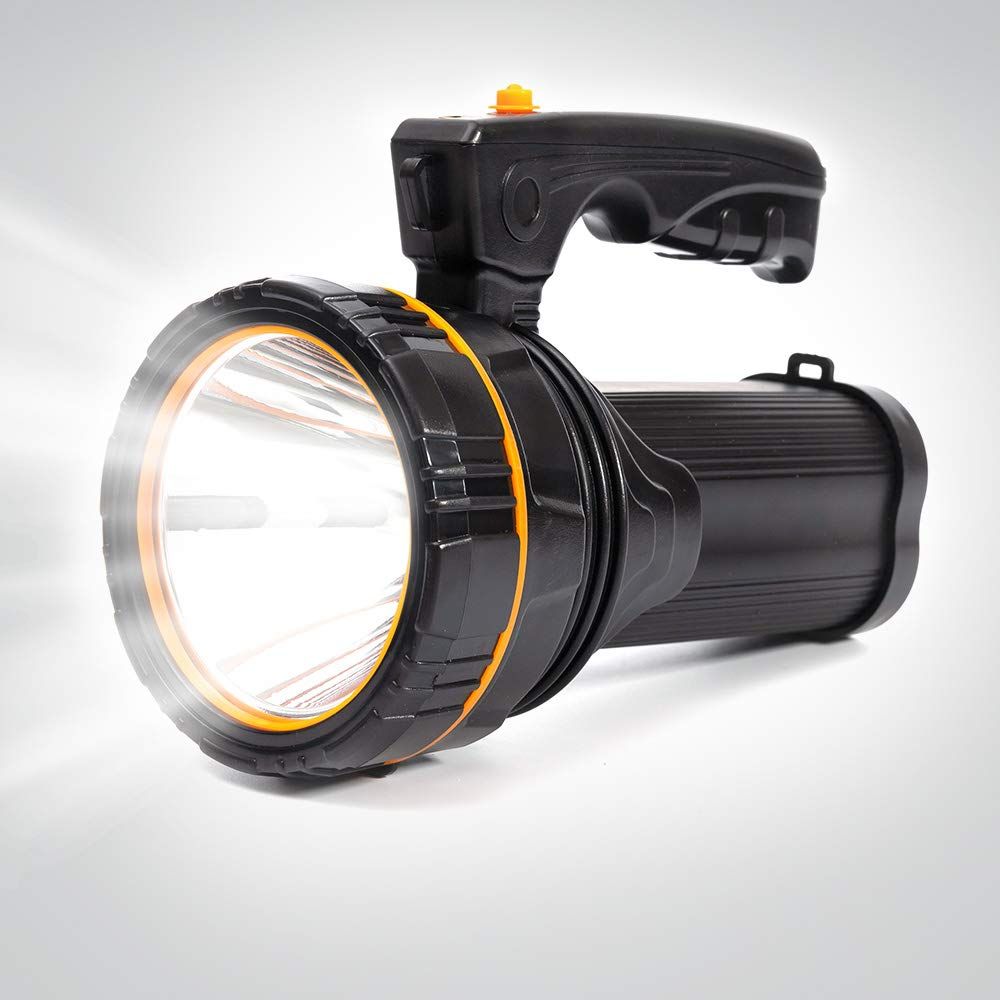
A torch may seem old-fashioned in an age when most phones have built in lights, but it remains an important emergency item. During a power outage, vehicle breakdown or other situation that leaves you in darkness, a dedicated torch can provide reliable illumination without draining your phone battery.
Keep one at home and consider having a small one in your car or work bag. Make sure the batteries are working and replace them when necessary.
3. A First Aid Kit
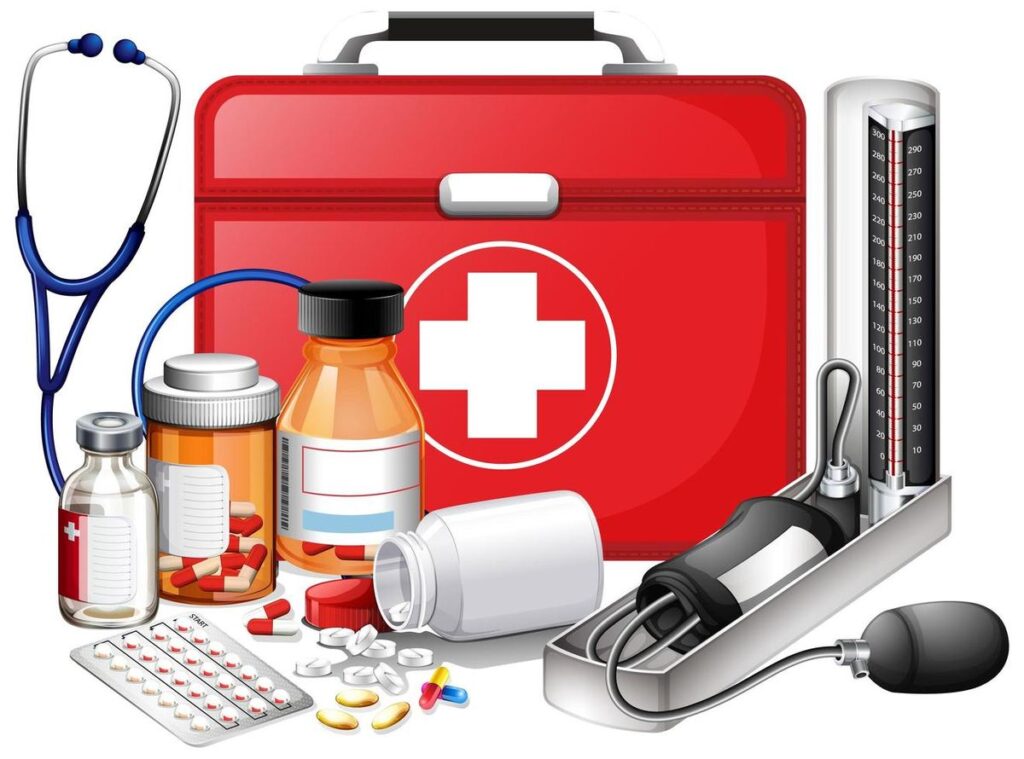
You do not have to be a medical professional to understand the value of a basic first aid kit. Minor cuts, burns, bruises and other injuries can happen at any time.
A basic kit should contain essentials such as plasters, sterile dressings, antiseptic wipes, gloves and other appropriate first aid supplies. If you regularly travel, keep a compact kit in your vehicle or bag.
The purpose is not to replace professional medical care. It is to help you respond sensibly to minor injuries while waiting for appropriate assistance when necessary.
4. Some Cash

In an increasingly cashless society, it is easy to leave home without physical money. However, emergencies can disrupt electronic payments, mobile networks, banking services or electricity.
Keeping a small amount of emergency cash somewhere secure can be useful when card payments or transfers are temporarily unavailable. Avoid keeping all your money in one place and make sure your emergency cash is stored safely.
5. Emergency Contacts and Important Information
When something goes wrong, panic can make it difficult to remember important phone numbers or details. Having essential information readily available can save valuable time.
Keep emergency contacts, family numbers, medical information and other important details somewhere you can access quickly. You can store them on your phone, but having a written backup can also be helpful if your phone becomes unavailable.
Being prepared for an emergency does not mean expecting something terrible to happen. It simply means recognising that unexpected situations are part of life.
The best time to prepare for an emergency is before one happens. Taking a few minutes to put these essentials together today could save you considerable stress when you need them most.