

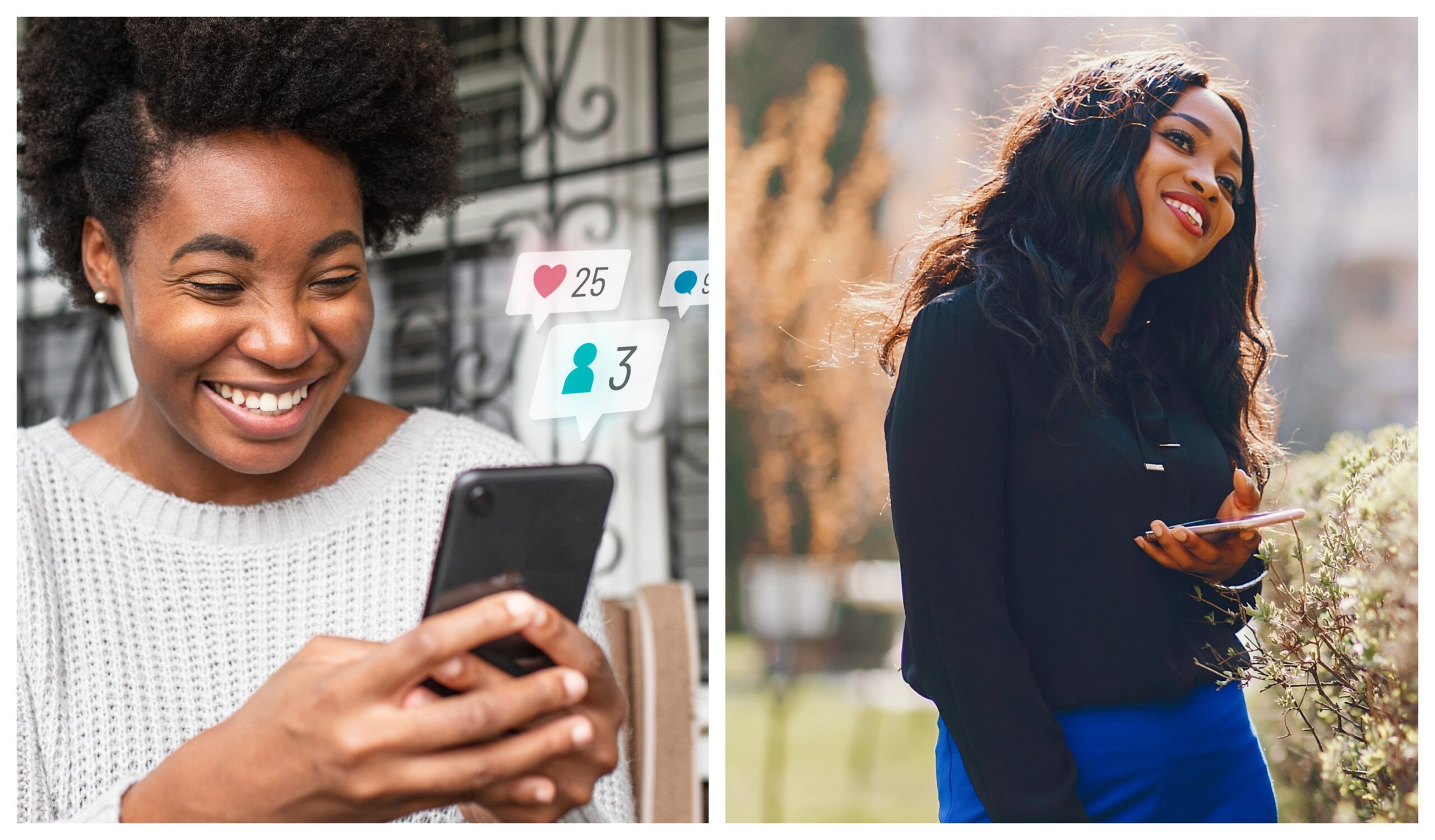
Social media has made it easier than ever to share our lives with the world. From pictures of family gatherings and birthday celebrations to relationship milestones, career achievements and holiday trips, there is always something to post. For many people, sharing these moments has become a normal part of everyday life.
However, as the line between our public and private lives continues to blur, an important question arises: must everyone know everything about us?
The pressure to share everything
In a world where likes, comments and shares can feel like a measure of popularity, it is easy to become carried away by the desire to keep people updated. Some people feel the need to announce every major decision, document every outing and share details of their relationships online.
While there is nothing wrong with enjoying social media, problems arise when sharing becomes an obligation rather than a choice. You may begin to wonder how a moment will look in a photograph before you have even enjoyed it. Instead of being present, you are busy recording the experience for an audience.
There is also the pressure to make life appear perfect. People often share their achievements, beautiful homes, romantic relationships and exciting holidays, but rarely show the arguments, disappointments, financial difficulties and personal struggles that may exist behind the scenes.
Comparing your everyday reality with someone else’s carefully selected highlights can leave you feeling inadequate. You may begin to question your progress simply because your life does not look as exciting as the lives you see online.
The cost of oversharing
Sharing personal information online can have consequences beyond unwanted comments. Information about your relationships, family, finances, workplace and daily routine can reach people you never intended to involve in your affairs.
A disagreement with a partner that would ordinarily be resolved privately can become public entertainment when screenshots and emotional posts enter the picture. Even after deleting a post, someone may have saved it or shared it with others.
Oversharing can also affect professional relationships. Employers, colleagues, clients and potential business partners may come across content that influences their perception of you. This does not mean that everyone must maintain a perfect online image, but it is worth thinking carefully before sharing something that could have lasting consequences.
Perhaps one of the greatest costs is losing the freedom to experience life without seeking external approval. Not every achievement needs applause, and not every difficult season requires public sympathy.
Some moments are valuable simply because you experienced them.
Privacy is not secrecy
There is a difference between keeping your life private and having something to hide. Choosing not to post your relationship does not mean you are ashamed of your partner. Keeping your family matters offline does not mean you do not love your family. Celebrating a personal achievement without announcing it to the world does not make it less significant.
Privacy allows you to decide what you share, with whom you share it and when you share it. It gives you room to make decisions without the pressure of public opinion and to work through challenges without inviting unnecessary interference.
You can be active on social media without making every aspect of your life accessible to everyone. You can share your professional achievements, opinions, interests and creative work while keeping certain relationships, plans and personal experiences to yourself.
The key is to recognise that having an online presence does not mean surrendering your right to a private life.
Finding the right balance
Maintaining a healthy relationship with social media begins with being intentional about what you post.
Before sharing something personal, ask yourself why you want to share it. Are you celebrating a meaningful moment, informing your audience or seeking validation? There is no harm in wanting encouragement, but it is important to recognise when the need for online approval begins to influence your decisions.
Consider establishing boundaries around certain aspects of your life. You may decide not to post your home address, share live updates of your location, discuss relationship disagreements publicly or disclose sensitive information about your children and relatives.
It is also helpful to enjoy experiences before reaching for your phone. Attend the event, enjoy the meal, have the conversation and appreciate the moment. You can always take a photograph afterwards, but you cannot always recreate the experience.
Another important step is learning to respect other people’s privacy. Not everyone wants their photographs, relationships or personal information shared online. Ask for permission before posting pictures of friends, family members or colleagues, particularly when the situation is sensitive.
Finally, remember that you do not owe your audience constant updates. You are allowed to take a break, disappear from social media for a while and return whenever you feel ready.
Live your life beyond the screen
Social media can be a wonderful tool for communication, networking, learning and self-expression. It connects people across distances, creates opportunities and gives individuals a platform to share their stories. The problem is not social media itself, but how much control we allow it to have over our lives.
You do not have to prove that you are happy by posting photographs of yourself smiling. You do not have to announce every achievement to make it count, and you do not have to explain every decision to people who are not part of your everyday life.
There is beauty in having experiences that belong only to you and the people closest to you. There is peace in making decisions without worrying about how they will be received online.
The goal is not to have a life that looks good on social media. It is to have a life that feels good when you put your phone down.