

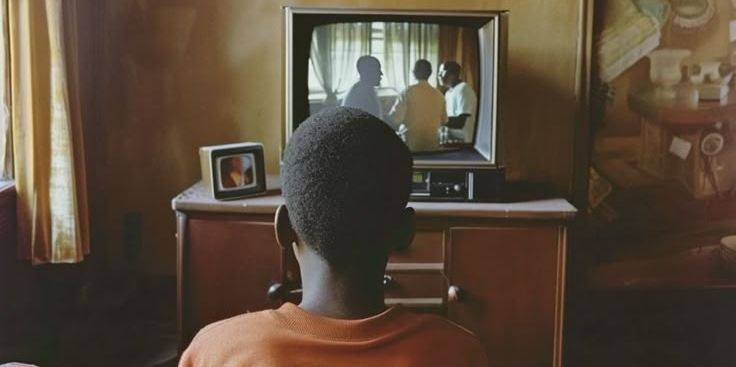
There was a time when television in Nigeria felt like a shared experience. Evenings had a rhythm. The hum of generators, the flicker of screens, and the familiar voices of presenters filled living rooms across the country. Channels were not just sources of information; they were companions, shaping conversations and culture in subtle ways.
But as the years passed, not all of those stations stood the test of time. Some faded quietly, others shut down under pressure, leaving behind memories that still sit gently in the minds of viewers who once tuned in religiously.
Here is a look at some Nigerian television stations that packed up and the stories they left behind.
1. DBN Television (DBN TV)
DBN TV was one of the early privately owned television stations in Nigeria, operating out of Lagos. It offered a mix of entertainment, news, and cultural programming that resonated with a growing urban audience. At a time when private broadcasting was still developing, DBN brought a refreshing alternative to state-owned stations.
However, sustaining operations proved difficult. High production costs, unstable power supply, and limited advertising revenue gradually took their toll. The station eventually went off air, leaving behind a quiet but notable legacy.
2. Minaj Broadcast International (MBI)
MBI was known for its ambition. It aimed to decentralise broadcasting by establishing itself outside the traditional Lagos Ibadan media corridor. With programmes in local languages and a strong cultural focus, it built a loyal audience.
Despite its vision, the station struggled with financial and technical challenges. By the early 2000s, it had ceased operations, becoming one of the many early casualties in Nigeria’s private broadcasting journey.
3. Desmims Independent Television (DITV)
Often recognised as Nigeria’s first private television station, DITV held a special place in the country’s media history. It broke new ground and set the stage for others to follow.
Its closure was largely tied to economic realities. Rising operational costs, particularly the cost of power, made it increasingly difficult to sustain. Eventually, the station had to shut down, marking the end of an era.
These stations may no longer be on air, but they played their part in shaping Nigeria’s television landscape. They entertained, informed, and in many ways documented moments in time.
For many, the memory remains simple and clear: a time when switching on the television felt like stepping into a familiar world.