


The kidneys play a vital role in keeping the body balanced and healthy. They filter waste, regulate fluids, and help maintain proper levels of essential minerals. However, what you eat can place either a gentle or heavy burden on these organs. While the kidneys are resilient, certain foods can strain their function over time, especially when consumed in excess. Understanding these foods can help you make better dietary choices and support long-term kidney health.
1. Processed and Packaged foods
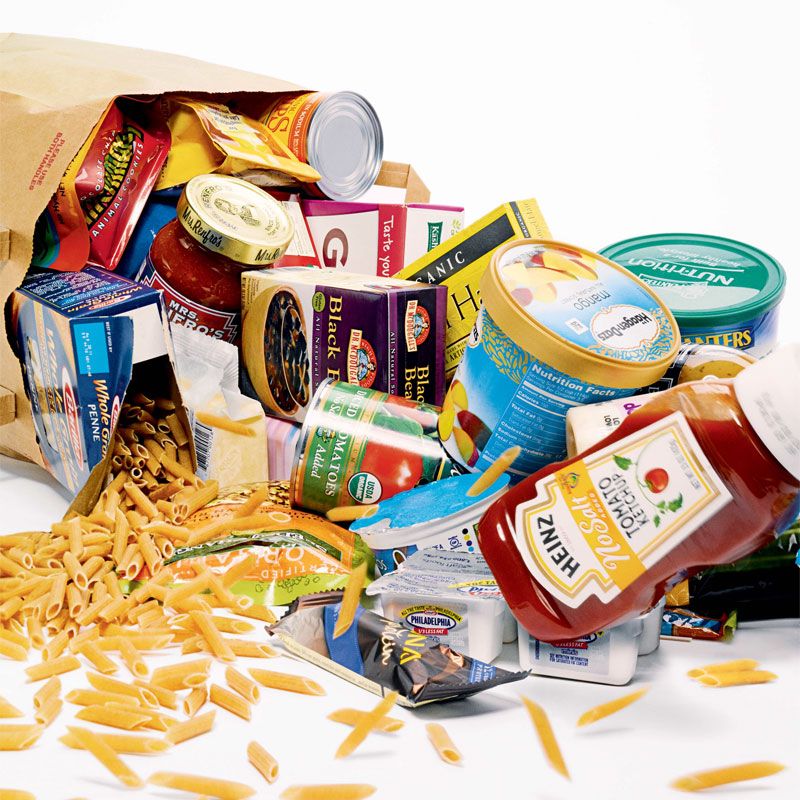
Processed foods such as instant noodles, canned soups, and ready-made meals often contain high levels of sodium and preservatives. Excess salt forces the kidneys to work harder to maintain fluid balance, which can lead to increased blood pressure and gradual damage.
2. Red meat
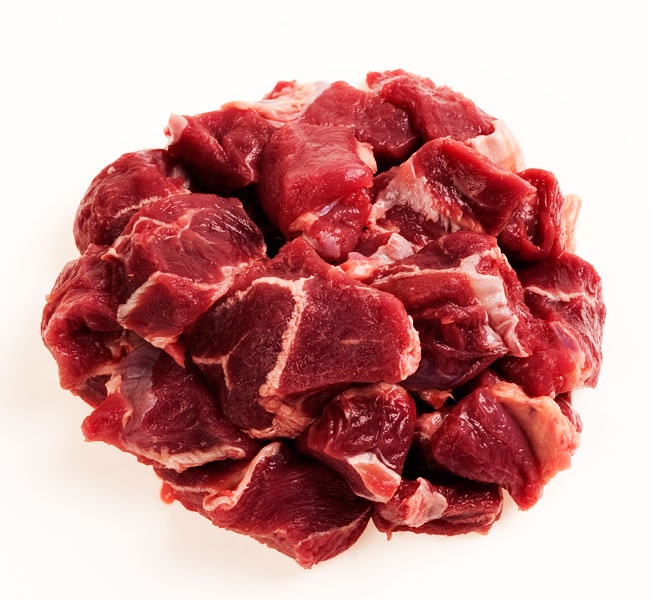
While protein is important, too much red meat can be taxing on the kidneys. It produces more waste products that the kidneys must filter. Over time, excessive consumption may contribute to reduced kidney efficiency, particularly in individuals with existing kidney concerns.
3. Sugary foods and drinks

Foods high in sugar, including soft drinks, pastries, and sweets, can contribute to obesity and diabetes. Diabetes is one of the leading causes of kidney disease. Regular consumption of sugary foods may indirectly increase the risk of kidney damage by affecting blood sugar levels.
4. Salty snacks

Crisps, salted nuts, and other savoury snacks are often loaded with sodium. High sodium intake can lead to water retention and increased pressure on the kidneys. This can worsen kidney function, especially in people already dealing with high blood pressure.
5. Dairy products in excess

Milk, cheese, and yoghurt are rich in calcium and protein. While beneficial in moderation, excessive consumption can increase calcium levels in the urine, which may contribute to kidney stones and added strain on the kidneys.
6. Alcohol

Alcohol can dehydrate the body and interfere with the kidneys ability to regulate fluids. Frequent or heavy drinking may impair kidney function over time and also increase the risk of high blood pressure.
The goal is not to completely eliminate these foods, but to consume them mindfully and in moderation. A balanced diet rich in fruits, vegetables, whole grains, and adequate water intake can support kidney health. Paying attention to what you eat today can help preserve your kidneys for years to come.