

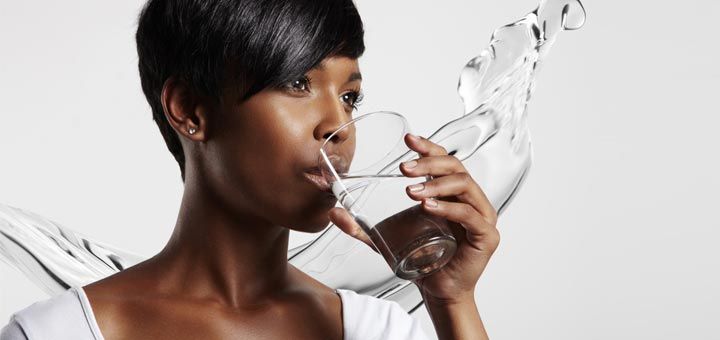
When it comes to beauty and wellness, many people focus on skincare products and treatments while overlooking one of the most important factors for healthy skin and overall well-being: hydration.
Dehydration occurs when the body loses more fluids than it takes in, affecting everything from energy levels to the appearance of your skin.
Learning how to manage dehydration can help you maintain a healthy glow and support your body’s natural functions.
Recognise the Signs
The first step in managing dehydration is knowing how to identify it. Common signs include:
- Dry skin
- Chapped lips
- Headaches
- Dizziness
- Fatigue
- Dark coloured urine
- Increased thirst
Your skin may also appear dull and less supple when your body lacks sufficient fluids.
- Drink water regularly
One of the simplest ways to prevent dehydration is to drink water consistently throughout the day. Do not wait until you feel thirsty, as thirst is often a sign that dehydration has already begun.
Keep a reusable water bottle nearby and take small sips regularly. This can make it easier to meet your daily fluid needs.
- Eat water-rich foods
Many fruits and vegetables contain high amounts of water and can contribute to your hydration levels. Excellent choices include:
- Watermelon
- Cucumber
- Oranges
- Strawberries
- Lettuce
- Celery
These foods also provide vitamins and antioxidants that support healthy skin.
- Limit excessive caffeine and alcohol
While a morning cup of tea or coffee is perfectly fine for most people, excessive amounts of caffeine and alcohol can contribute to fluid loss. Balance these drinks with plenty of water to help maintain proper hydration.
- Moisturise your skin
Dehydrated skin often feels tight, rough, or uncomfortable. Using a quality moisturiser can help lock in moisture and improve your skin’s appearance. Look for ingredients such as hyaluronic acid, glycerine, and ceramides, which help attract and retain moisture.
- Stay cool during hot weather
High temperatures can increase sweating and fluid loss. During hot days, wear lightweight clothing, seek shade when possible, and increase your water intake to replace lost fluids.
- Replenish after exercise
Physical activity causes the body to lose water through sweat. After exercising, drink water and consider beverages that replace electrolytes if you have engaged in intense or prolonged activity.
- Establish healthy hydration habits
Hydration should be part of your daily routine rather than an occasional effort. Set reminders if necessary and make water easily accessible, whether you are at work, at home, or on the move.