

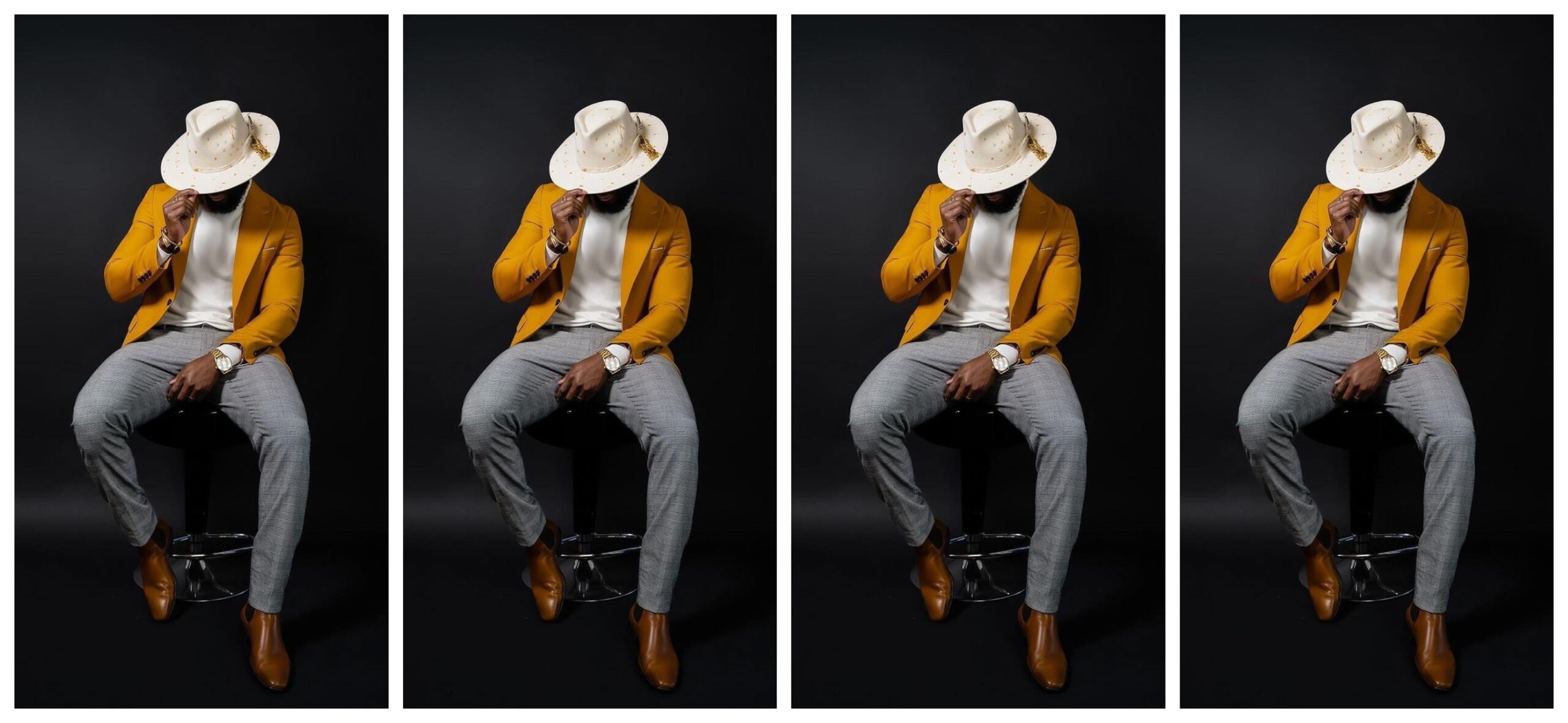
There is a quiet authority in a well-dressed man. It does not announce itself loudly, nor does it rely on excess. Instead, it reveals itself in the details. The cut of a jacket, the care of a shoe, the confidence with which a man carries himself. True style is not about chasing trends. It is about understanding oneself and expressing that identity with intention.
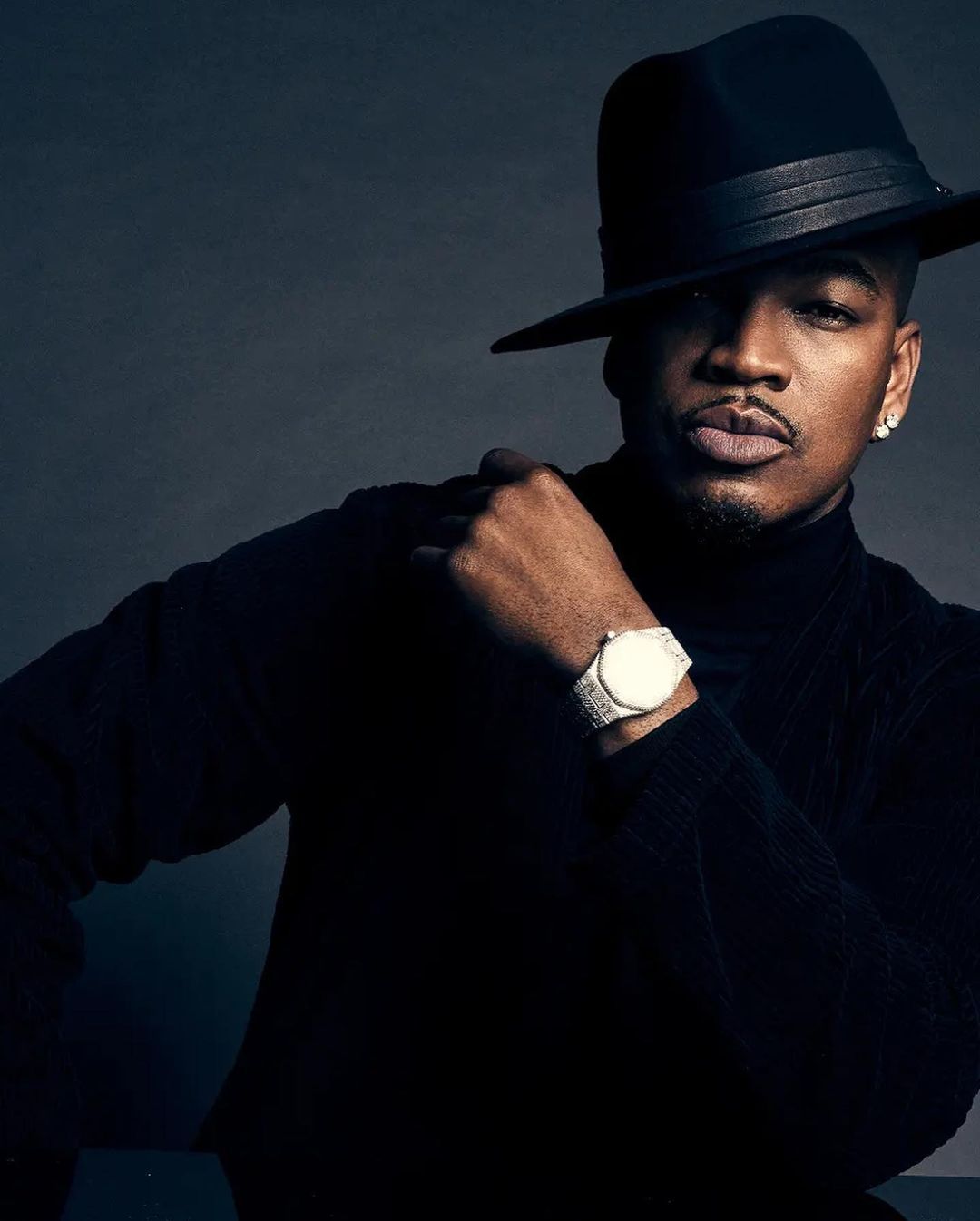
The idea of the “exquisite man” is not rooted in wealth or access to luxury. It is defined by refinement, discipline, and an appreciation for quality. His wardrobe is not overflowing, yet every piece serves a purpose. He chooses garments that fit his body, his lifestyle, and his personality. There is clarity in his choices, and that clarity translates into presence.
At the heart of exquisite style is fit. A well-tailored suit can elevate even the simplest fabric, while an ill-fitting, expensive piece diminishes its value. The exquisite man pays attention to proportion. His shirts sit neatly on his shoulders, his trousers fall cleanly, and his jackets frame his silhouette without strain. He understands that tailoring is not an indulgence but a necessity.
Fabric is another language he speaks fluently. He recognises the difference between quality and imitation, not for the sake of display but for comfort and longevity. Natural fibres such as wool, cotton, and linen are staples in his wardrobe. They age well, breathe easily, and carry a quiet elegance that synthetic alternatives rarely achieve.
Colour, for the exquisite man, is deliberate. He does not shy away from it, but he uses it with restraint. A navy suit, a crisp white shirt, and a well-chosen tie can communicate more than a loud ensemble ever could. When he introduces colour, it is thoughtful. A pocket square, a pair of socks, or a subtle pattern becomes a statement without overwhelming the whole.
Grooming is an extension of his style. Clean nails, well-kept hair, and a subtle fragrance are non-negotiable. These are not acts of vanity but of respect. Respect for himself and for those he encounters. The exquisite man understands that presentation extends beyond clothing. It is a complete expression of care.
Accessories are chosen with purpose. A watch is not merely a tool for telling time but a reflection of taste. Shoes are polished, not only for appearance but as a sign of discipline. A belt matches the shoes, not out of rigid rule following but from an appreciation for harmony. Nothing is accidental.
Yet, beyond the visible, there is an intangible element that defines exquisite style. It is confidence without arrogance. The way a man enters a room, the ease with which he engages others, and the assurance in his posture all contribute to his presence. Clothes may enhance this, but they cannot replace it.
The modern man is often pulled between fast fashion and fleeting trends. The exquisite man resists this pull. He invests in pieces that endure. He repairs rather than discards. He values craftsmanship and supports it where he can. In doing so, he builds a wardrobe that tells a story over time.
There is also a cultural dimension to style. The exquisite man does not abandon his heritage in pursuit of global aesthetics. Instead, he integrates it. Whether through fabric, tailoring, or subtle references, he honours where he comes from while engaging with the wider world.
In a world that often celebrates excess, the exquisite man stands apart. Not because he seeks attention, but because he understands that true style does not demand it. It earns it, quietly and consistently