

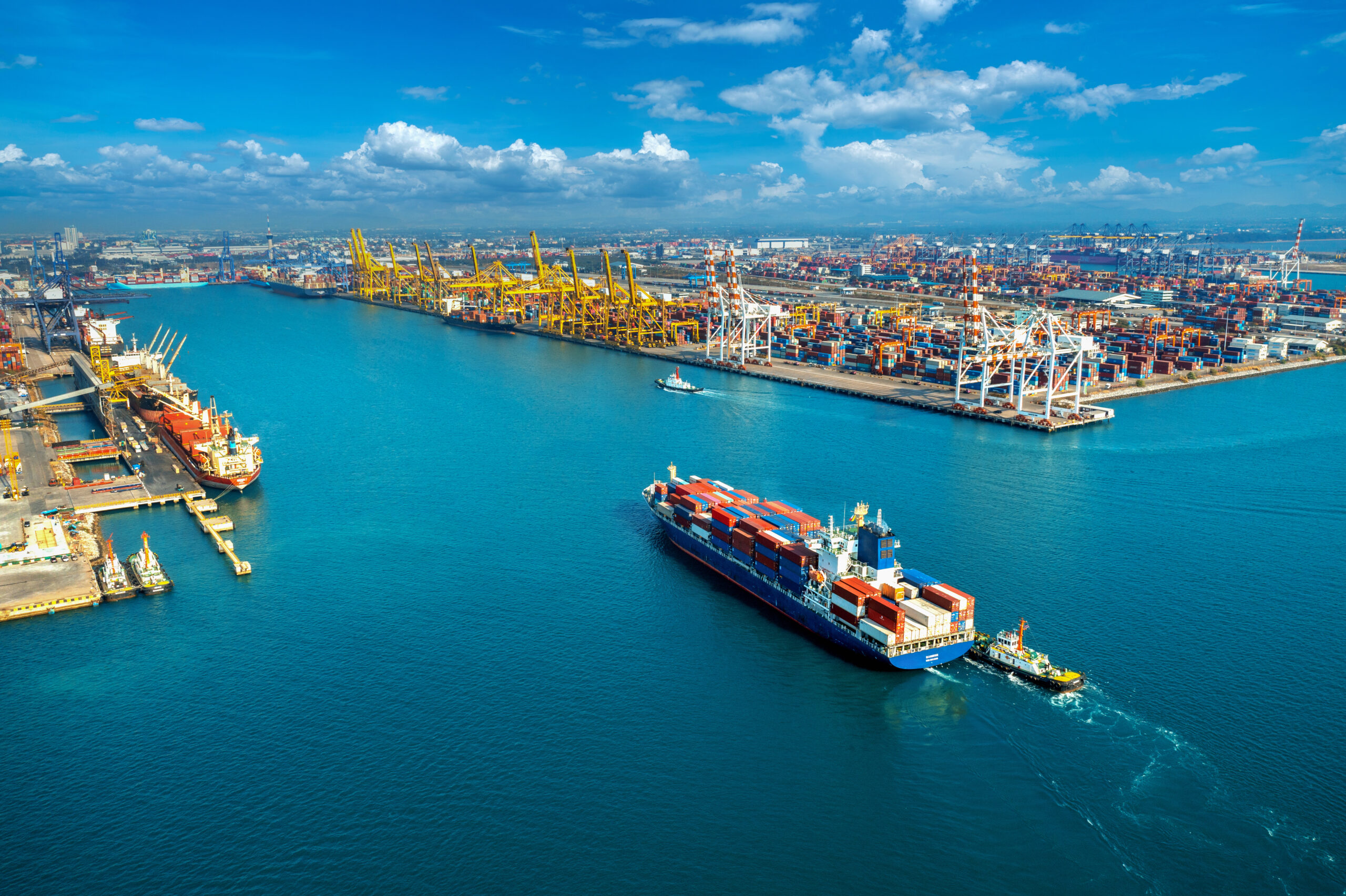
Africa is surrounded by the Mediterranean Sea, Atlantic Ocean, Indian Ocean and Red Sea, giving many countries direct access to international maritime trade. Seaports serve as important gateways for the movement of goods, people and natural resources between Africa and the rest of the world.
The continent has more than 30,000 kilometres of coastline, and maritime transport remains central to African trade. Research published in 2026 notes that African ports facilitate about 90 per cent of the continent’s international trade.
While not every African country has a seaport, coastal and island nations across the continent operate ports of different sizes and functions. Some handle containers and general cargo, while others specialise in oil, minerals, vehicles, agricultural products or passenger services.
North Africa
Algeria has several important Mediterranean ports, including Algiers, Oran and Annaba. These ports support the country’s imports and exports and are particularly important to its energy and industrial economy.
Egypt has ports on both the Mediterranean Sea and the Red Sea. Alexandria, Port Said and Damietta are among its major ports. Egypt’s maritime importance is further strengthened by the Suez Canal, one of the world’s most important shipping routes.
Libya has several Mediterranean ports, including Tripoli and Benghazi. These ports support the movement of petroleum products, food, machinery and other goods.
Morocco has important Atlantic and Mediterranean ports, including Casablanca, Agadir and Tangier Med. The country’s location close to Europe makes its ports significant for trade between Africa and international markets.
Tunisia also has several Mediterranean ports, including Radès, which serves as an important commercial gateway.
West Africa
West Africa has a long Atlantic coastline and some of the continent’s busiest commercial ports.
Benin has the Port of Cotonou, a major gateway for trade and an important route for goods moving into neighbouring landlocked countries.
Cabo Verde, an island country in the Atlantic Ocean, has ports serving its domestic and international maritime activities.
Côte d’Ivoire has major ports at Abidjan and San Pedro. The Port of Abidjan is particularly important to the country’s economy and regional trade.
The Gambia has the Port of Banjul, located on the Gambia River and serving as the country’s principal maritime gateway.
Ghana has major ports at Tema and Takoradi. Tema is an important commercial and industrial port, while Takoradi supports trade and the country’s resource sector.
Guinea has the Port of Conakry, which plays an important role in the country’s international trade, including the export of minerals.
Guinea-Bissau has the Port of Bissau, which handles much of the country’s international maritime trade.
Liberia has the Port of Monrovia, an important gateway for imports and exports.
Mauritania has the Port of Nouakchott and other maritime facilities that support its fishing, mining and commercial activities.
Nigeria has several important ports and terminals along its extensive coastline. These include Apapa, Tin Can Island, Onne and the Lekki Deep Sea Port. Nigerian ports are vital to the country’s international trade and supply chains. World Bank data on West African ports has long identified Lagos facilities among the region’s major container gateways.
Senegal has the Port of Dakar, one of the important maritime gateways in West Africa.
Sierra Leone has the Port of Freetown, which handles international cargo and supports the country’s economy.
Togo has the Port of Lomé, an important regional gateway for maritime trade.
Central Africa
Several Central African countries have direct access to the Atlantic Ocean.
Angola has major ports including Luanda, Lobito and Namibe. These ports support the country’s petroleum industry, mining sector and general trade.
Cameroon has the ports of Douala and Kribi. The Port of Douala has traditionally been an important commercial gateway, while Kribi has developed into a major deep-water port.
Republic of the Congo has the Port of Pointe Noire, one of the country’s most important maritime facilities.
Democratic Republic of the Congo has limited direct access to the Atlantic Ocean through its short coastline and uses maritime facilities around Banana and Matadi as part of its transport network.
Equatorial Guinea has ports including Malabo and Bata, supporting the country’s oil industry and wider commercial activities.
Gabon has ports including Libreville and Port Gentil, which support exports such as petroleum, manganese and timber.
São Tomé and Príncipe, an island nation in the Gulf of Guinea, also has maritime ports serving international and domestic transportation.
East Africa
The eastern coast of Africa faces the Indian Ocean and includes some strategically important maritime gateways.
Djibouti has major ports on the Red Sea and Gulf of Aden. Its location near the Bab el-Mandeb Strait makes it an important maritime and logistics centre. Its ports also provide a major maritime outlet for landlocked Ethiopia.
Kenya has the Port of Mombasa, one of East Africa’s major maritime gateways. It serves Kenya and also provides access to international trade for several neighbouring landlocked countries.
Mozambique has ports including Maputo, Beira and Nacala. These facilities support both Mozambique’s economy and regional trade with neighbouring countries.
Somalia has ports including Mogadishu, Berbera and other facilities along its long Indian Ocean coastline.
Sudan has Port Sudan on the Red Sea, which serves as the country’s principal maritime gateway.
Tanzania has the Port of Dar es Salaam, one of the most important ports in East Africa. The port also handles significant cargo destined for landlocked countries in the region. The World Bank notes that a substantial share of its throughput is connected to countries including Malawi, Zambia, the Democratic Republic of the Congo, Rwanda, Burundi and Uganda.
Southern Africa
Namibia has the Port of Walvis Bay, a strategically located Atlantic port that supports Namibia and provides an important trade route for parts of southern Africa.
South Africa has an extensive network of commercial ports, including Durban, Cape Town, Richards Bay, Port Elizabeth and Ngqura. Its location between the Atlantic and Indian Oceans makes it an important maritime hub. The country has eight main commercial seaports, according to recent World Bank research.
Mozambique, already mentioned among East African maritime states, is also an important southern African coastal country because of its ports and its links with neighbouring landlocked countries.
Madagascar, the large island nation in the Indian Ocean, has several ports, with Toamasina serving as its principal international trade gateway.
Mauritius has the Port Louis harbour, which is central to the island nation’s international trade and shipping activities.
Seychelles, another Indian Ocean island nation, has Port Victoria, which supports shipping, fishing and tourism.
Not every African country has a seaport. A significant number are landlocked, meaning they have no direct coastline or access to the open sea.
Seaports are more than places where ships load and unload goods. They are connected to wider systems involving roads, railways, warehouses, customs, logistics companies, manufacturers, farmers and traders.