

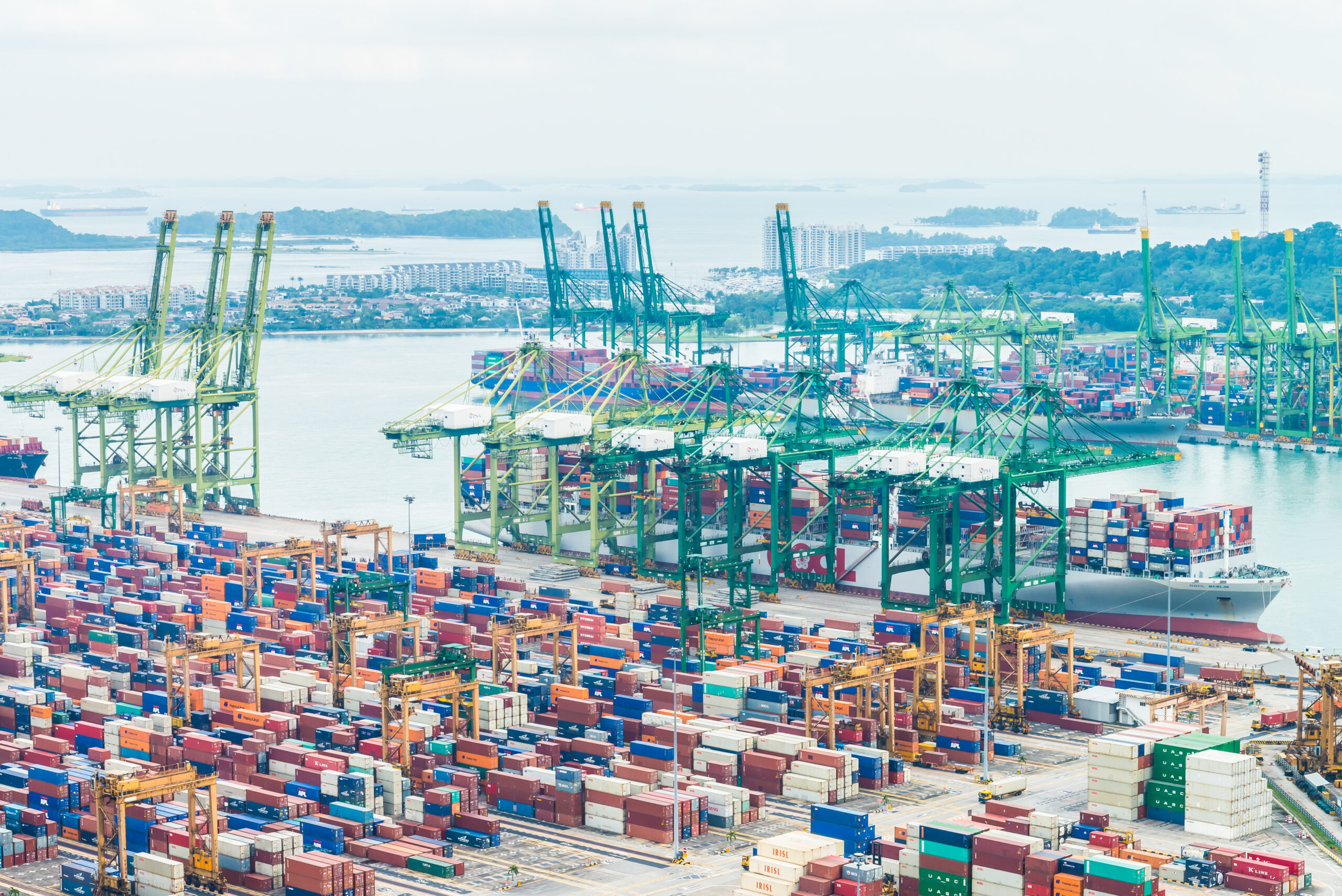
When we think of Africa, images of beautiful coastlines, busy harbours and fishing communities often come to mind. From Lagos to Mombasa and Cape Town to Alexandria, the continent has several important coastal cities that connect Africa to the rest of the world.
However, not every African country has access to the sea. There are 16 landlocked countries in Africa, meaning they have no coastline and therefore no seaport of their own.
These countries are spread across different parts of the continent and include some of Africa’s largest and smallest nations.
Which African countries have no seaports?
The 16 landlocked countries in Africa are:
- Botswana
- Burkina Faso
- Burundi
- Central African Republic
- Chad
- Eswatini
- Ethiopia
- Lesotho
- Malawi
- Mali
- Niger
- Rwanda
- South Sudan
- Uganda
- Zambia
- Zimbabwe
Although these countries do not have their own seaports, they are not cut off from international trade. Instead, they depend on roads, railways, rivers and airports to connect them with ports in neighbouring countries.
How do they access the sea?
For a landlocked country, reaching the sea often involves crossing another country’s territory.
For example, Ethiopia relies heavily on Djibouti for access to international maritime trade. Goods can travel by road or rail from Ethiopia to the Port of Djibouti before being shipped to destinations worldwide.
Uganda, Rwanda and Burundi can use transport routes through countries such as Kenya and Tanzania to access ports on the Indian Ocean.
Similarly, Zambia can move goods through several neighbouring countries to reach ports including Dar es Salaam in Tanzania and Durban in South Africa.
Not having a seaport can create additional challenges for businesses and governments. Goods may have to travel long distances across several borders before reaching a port.
This can increase transportation costs and cause delays, particularly when road and rail networks are inadequate or when border procedures are slow.
For countries that depend heavily on imports and exports, efficient transport corridors are therefore essential.
Africa’s landlocked countries do not have beaches, harbours or seaports. However, they remain deeply connected to the world’s oceans.