

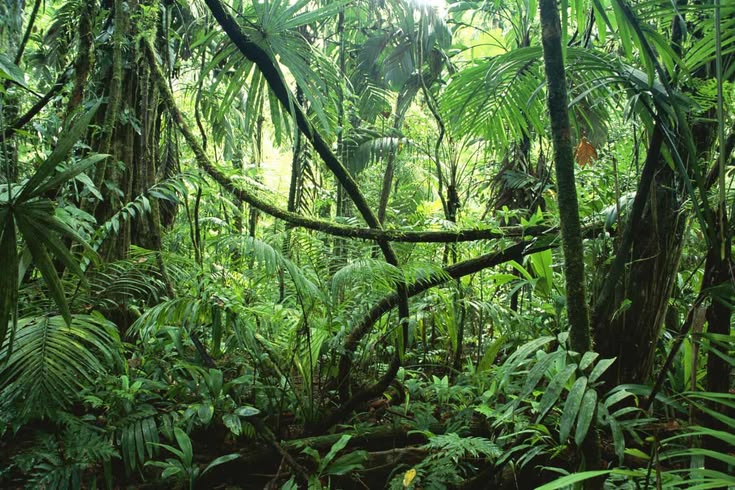
Africa is home to some of the most diverse and ecologically important forests on the planet. From dense rainforests to mountain woodlands and coastal mangroves, these ecosystems support wildlife, regulate climate, and sustain millions of people. Here are five African countries known for their remarkable forest landscapes.
- Democratic Republic of the Congo
The Democratic Republic of the Congo holds a significant portion of the Congo Basin, the second-largest tropical forest in the world. This vast rainforest stretches across central Africa and is often described as the lungs of the continent due to its role in absorbing carbon dioxide.
It is home to rare wildlife such as forest elephants, bonobos, and okapis. The forest also supports thousands of plant species and provides food, medicine, and livelihoods for local communities.
- Gabon
Gabon is one of Africa’s most forest-covered countries, with nearly nine-tenths of its land covered in tropical rainforest. These forests are part of the Congo Basin ecosystem and are known for their high level of biodiversity.
Gabon has made significant efforts in conservation, creating national parks that protect elephants, gorillas, and chimpanzees. Its forests also play an important role in climate regulation and ecotourism.
- Cameroon
Cameroon is often described as “Africa in miniature” because of its varied geography, and its forests are a major part of that diversity. The country contains tropical rainforests in the south and coastal mangrove forests along the Atlantic Ocean.
These forests are home to endangered species such as lowland gorillas and forest elephants. They also provide timber, non-timber forest products, and support agriculture and traditional livelihoods.
- Madagascar
Madagascar is globally recognised for its unique forests, many of which are found nowhere else on Earth. Due to its long isolation from the African mainland, the island developed an extraordinary range of endemic species.
Its eastern rainforests and dry deciduous forests shelter lemurs, rare birds, and unusual plant life. However, these forests are under pressure from deforestation and land use change, making conservation efforts very important.
- Kenya
Kenya is known for its savannahs, but it also has important forest ecosystems, especially in its highland regions. The Mau Forest Complex and the Aberdare Range are among the most significant.
These forests act as water towers, feeding major rivers and supporting agriculture, hydroelectric power, and wildlife habitats. Kenya’s forests also support biodiversity, including elephants, colobus monkeys, and numerous bird species.