

Below are some well-known examples of countries whose capitals carry the same name.
Singapore
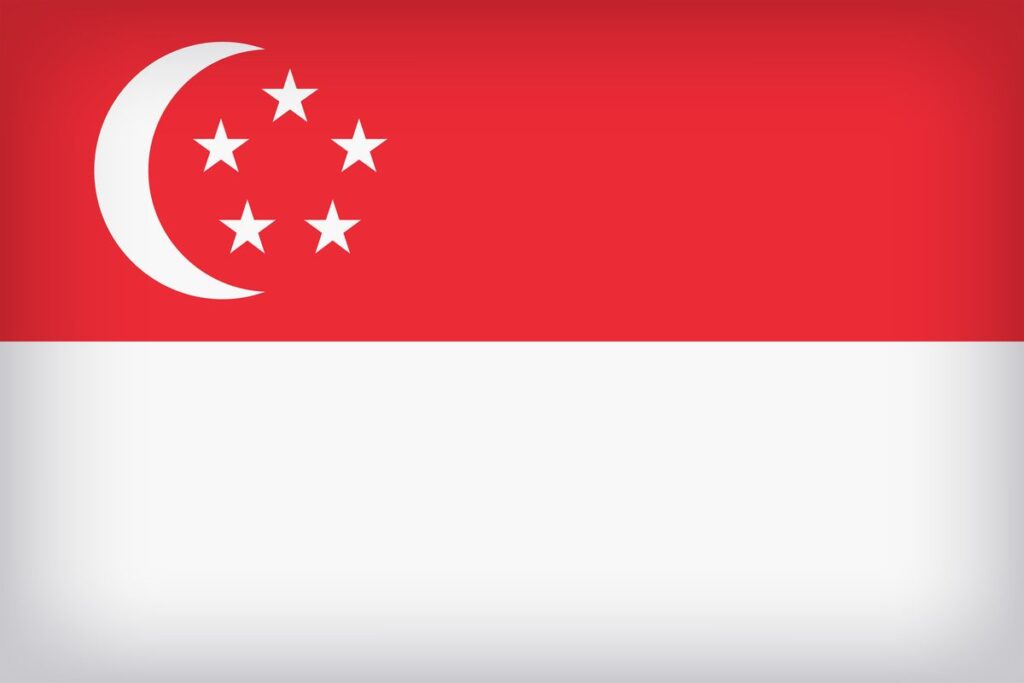
Singapore is a sovereign city-state where the entire country functions as one major urban centre. Its capital is also Singapore, making it one of the clearest examples of this naming pattern. The city is known for its global finance hub, efficient infrastructure, and multicultural society.
Singapore serves as the administrative, cultural, and economic heart of the country, even though in practice the entire nation is essentially one continuous metropolitan area.
Luxembourg
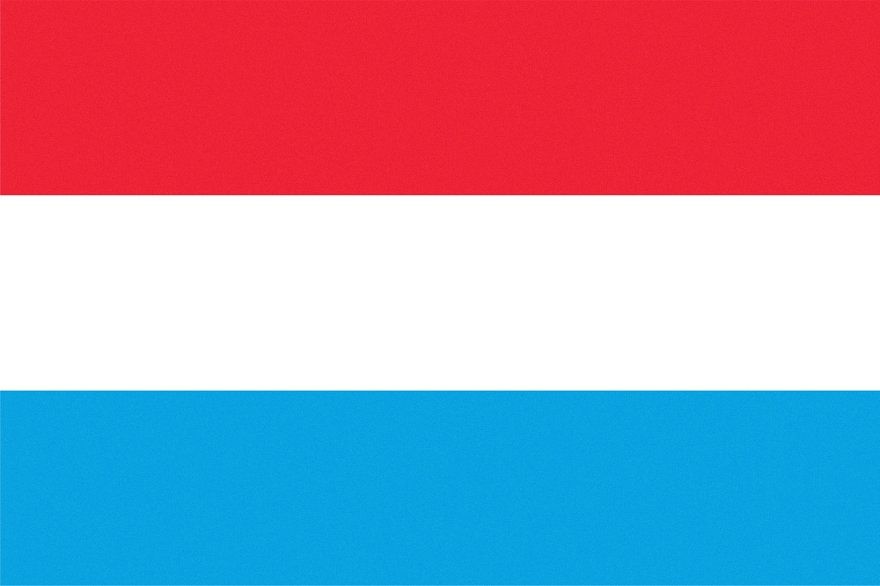
Luxembourg is a small European nation bordered by Belgium, France, and Germany. Its capital is Luxembourg, which is often referred to as Luxembourg City to distinguish it from the country.
Luxembourg is known for its medieval old town, deep valleys, and strong financial sector. The close link between the country and its capital reflects its compact size and centralised governance.
San Marino
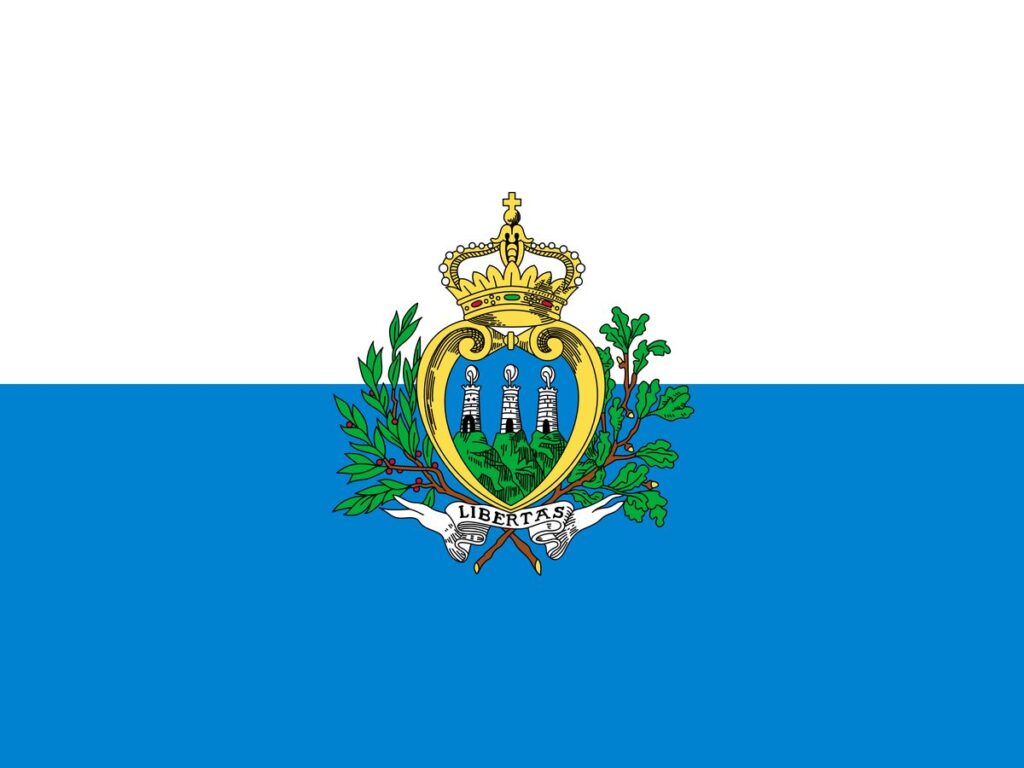
San Marino is one of the oldest republics in the world, surrounded by Italy. Its capital is also called San Marino, located on Mount Titano.
San Marino is a small but historic town known for its fortified towers and panoramic views. The shared name highlights the tight connection between the nation and its historical roots.
Djibouti
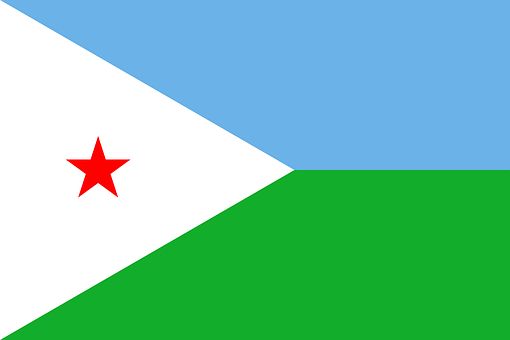
Djibouti is located in the Horn of Africa, strategically positioned near one of the world’s busiest shipping routes. Its capital is Djibouti, a coastal city that serves as the country’s main hub.
Djibouti plays a central role in trade, transport, and international military presence due to its strategic location.
Why is this naming pattern rare?
Most countries have capitals with distinct names to reflect regional diversity, historical figures, or geographic features. However, in smaller nations or city-centred states, the capital often becomes so dominant that it represents the identity of the entire country.