

Over the years, several nations have replaced or revised their anthems to better represent changing values and realities. Some changes came after revolutions, while others followed the end of colonial rule or political transformation.
Here are some countries that have changed their national anthems and the reasons behind those decisions.
South Africa
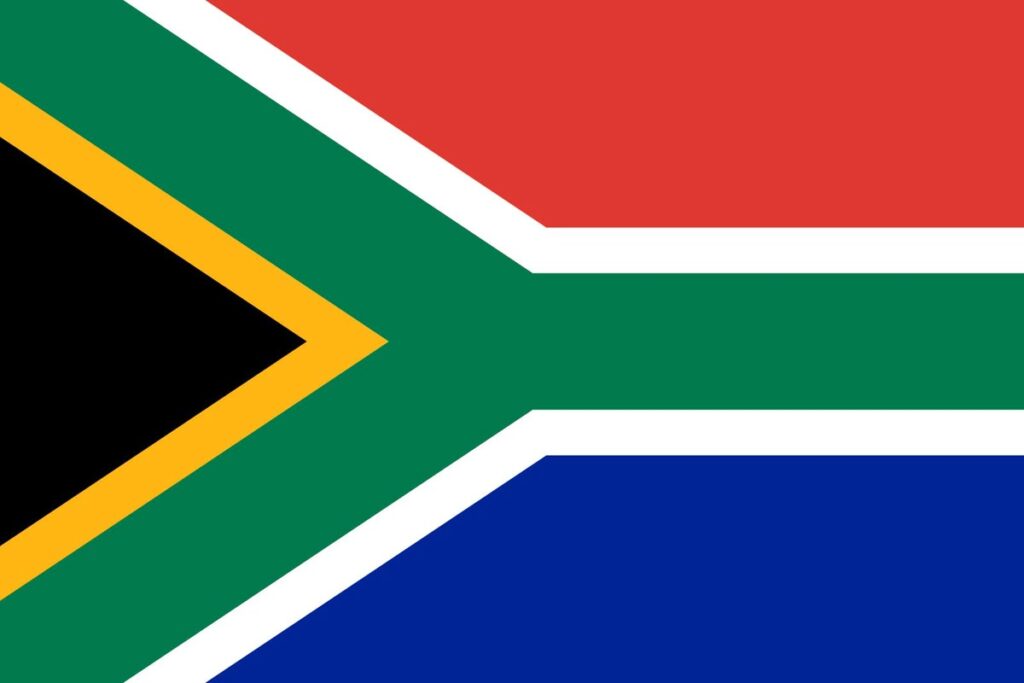
One of the most famous anthem changes happened in South Africa after the end of apartheid in 1994.
Before democracy, the country used “Die Stem van Suid Afrika”, an anthem associated with the apartheid regime and white minority rule. After Nelson Mandela became president, there was a need for a unifying symbol that represented all South Africans.
The current anthem became a blend of “Nkosi Sikelel’ iAfrika” and parts of the old anthem. It includes five languages: Xhosa, Zulu, Sesotho, Afrikaans and English. The combination symbolised reconciliation and a new beginning for the nation.
Today, South Africa’s anthem is regarded as one of the most unique and multicultural national songs in the world.
Russia
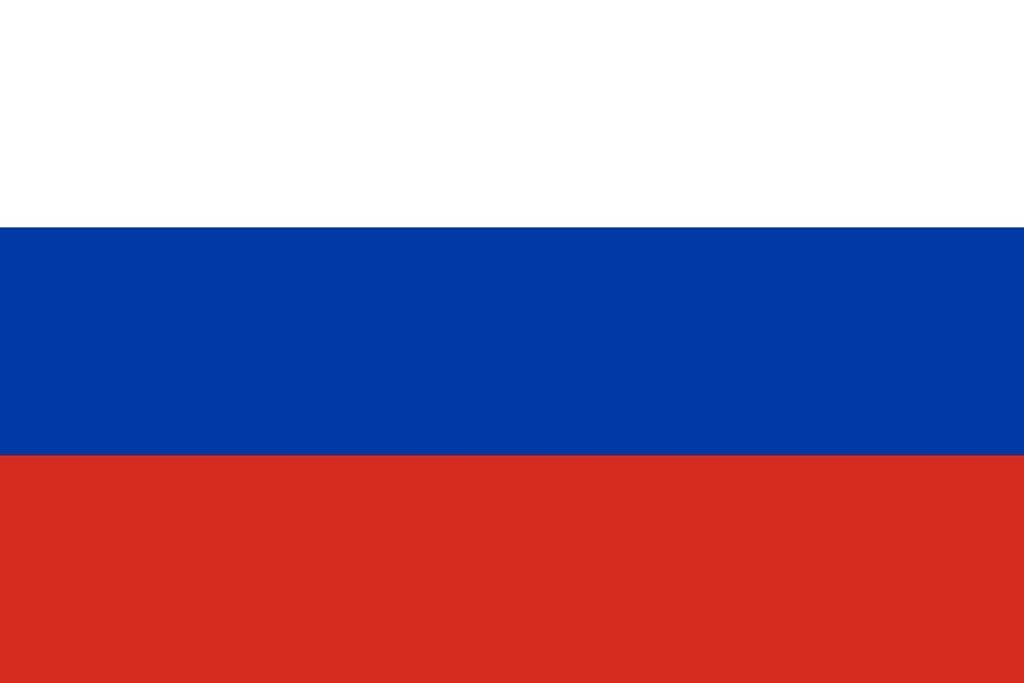
Russia has changed its anthem several times because of political upheavals.
During the Soviet era, the country used the anthem of the Soviet Union. After the collapse of the USSR in 1991, Russia adopted a new anthem called “Patriotic Song”, which had no official lyrics.
However, many citizens felt disconnected from it because it lacked emotional familiarity. In 2000, President Vladimir Putin reinstated the melody of the former Soviet anthem but introduced new lyrics that reflected modern Russia rather than communist ideology.
The decision sparked debate, with some people seeing it as a return to Soviet nostalgia while others viewed it as preserving historical identity.
Germany
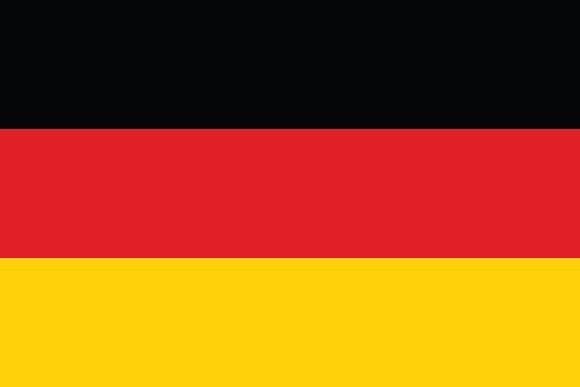
Germany has also experienced anthem changes linked to political history.
The “Deutschlandlied” became controversial after its association with Nazi Germany during Adolf Hitler’s rule. Following the Second World War, only the third stanza of the anthem was retained for official use.
The chosen section focuses on unity, justice and freedom rather than nationalism. This adjustment allowed Germany to distance itself from its troubled past while keeping part of its historical anthem intact.
Rwanda
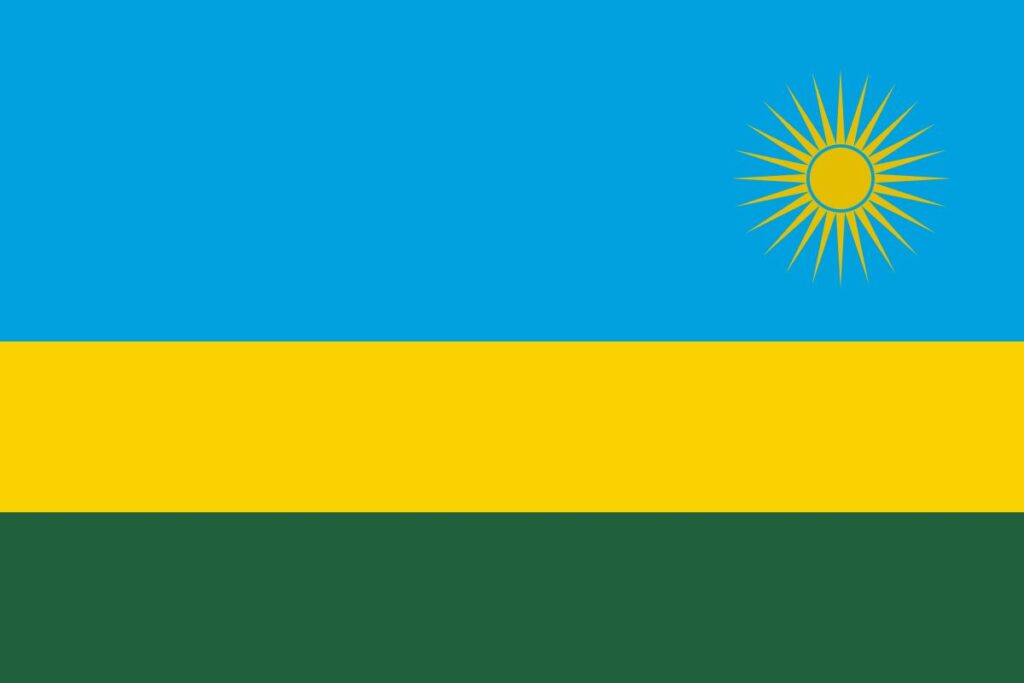
Following the 1994 genocide, Rwanda changed its national anthem as part of efforts to rebuild national unity.
The former anthem, “Rwanda Rwacu”, was criticised for being too closely tied to the previous government and ethnic tensions. In 2001, the country introduced a new anthem titled “Rwanda Nziza”.
The new anthem aimed to promote healing, patriotism and collective progress after one of the darkest periods in the country’s history.
Iraq
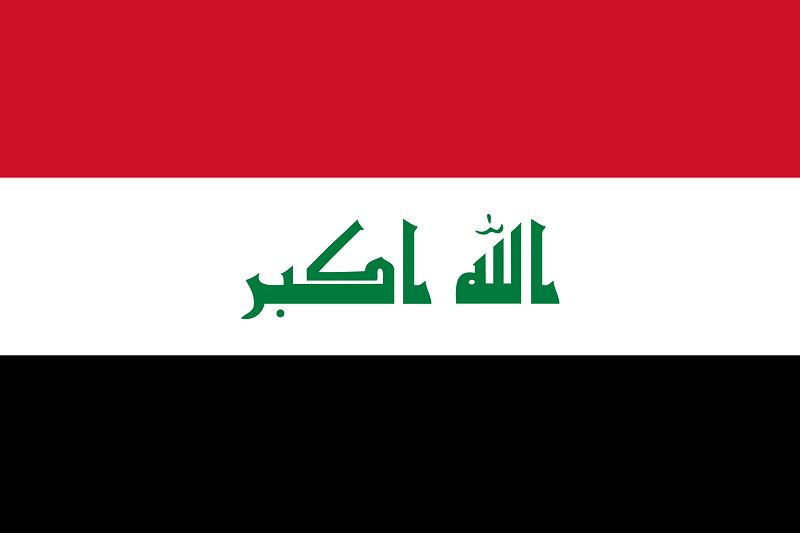
Iraq has altered its anthem multiple times because of changing governments and political eras.
Under Saddam Hussein, Iraq used an anthem associated with Arab nationalism. After his regime ended in 2003, the country adopted “Mawtini”, a song originally written as a Palestinian poem.
The anthem change reflected a desire to move away from dictatorship and embrace a broader Arab cultural identity.
Canada

Unlike some countries that completely replaced their anthem, Canada made a subtle but significant lyrical change.
In 2018, the line “in all thy sons command” in “O Canada” was changed to “in all of us command”. The amendment aimed to make the anthem more gender inclusive.
Although the melody and most of the lyrics remained unchanged, the revision sparked national conversation about tradition, inclusion and modern values.
Nepal
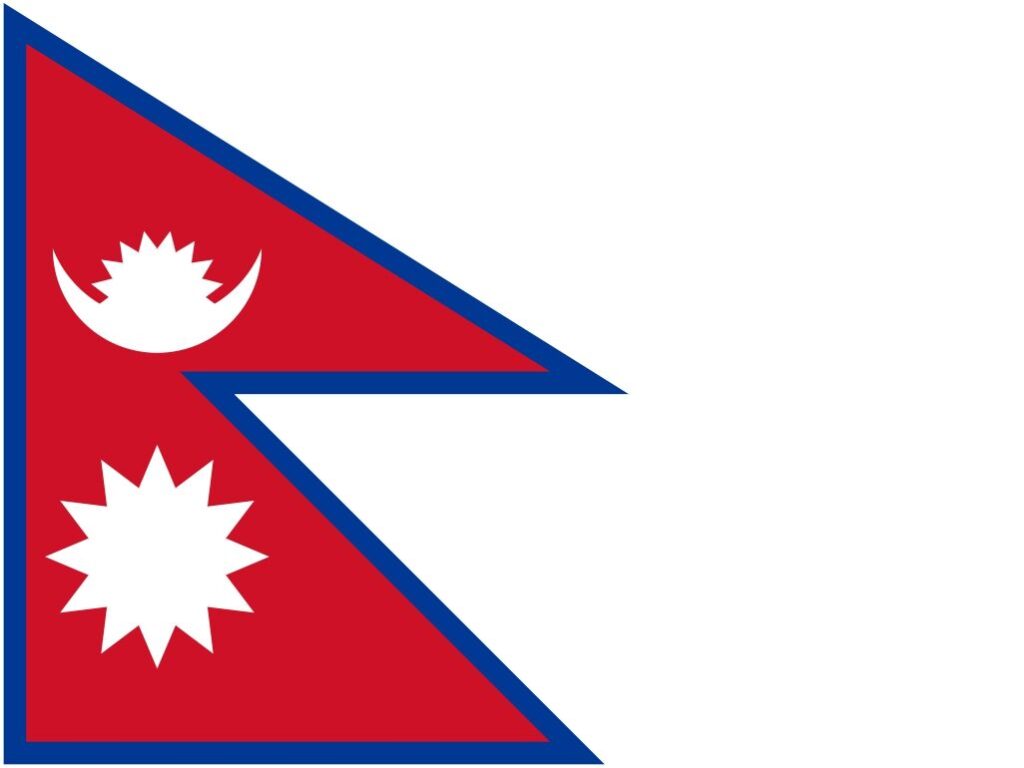
Nepal replaced its anthem after the monarchy was abolished in 2006.
The old anthem praised the king directly, which no longer reflected the country’s political system after Nepal became a republic. A new anthem celebrating national pride, natural beauty and unity among citizens was adopted in 2007.
The change symbolised Nepal’s transition from monarchy to democracy.
Libya
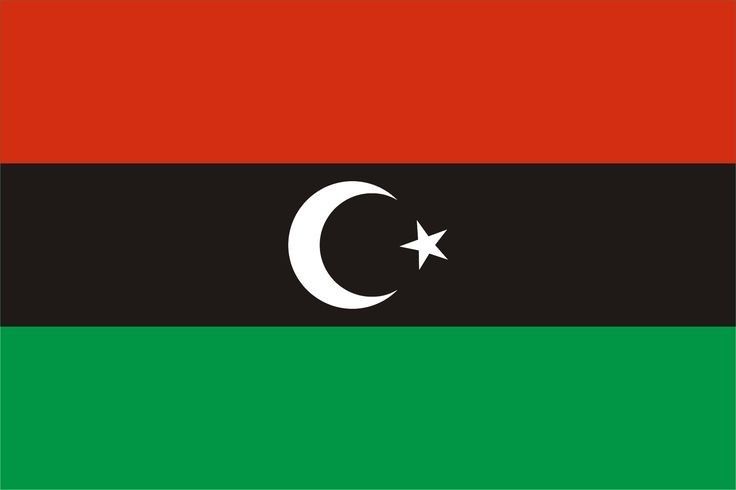
Libya changed its anthem several times during different political periods.
Before Muammar Gaddafi’s rule, Libya used “Libya, Libya, Libya”. Under Gaddafi, the anthem was replaced with a song called “Allahu Akbar”.
After the 2011 uprising that removed Gaddafi from power, the country restored the earlier anthem as a symbol of liberation and a return to pre dictatorship identity.
For some nations, replacing an anthem helps heal painful histories. For others, it is a way of embracing modern ideals while still respecting heritage.