

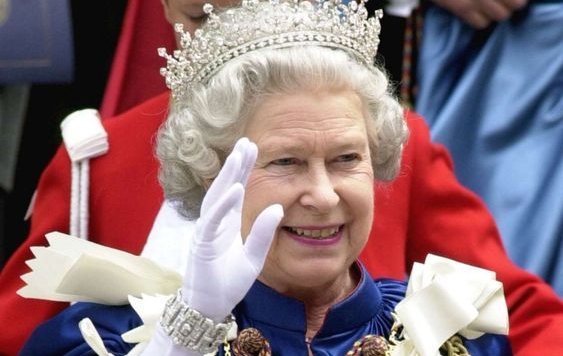
Across the world, monarchy still holds a place in modern governance, blending history, culture and politics in ways that continue to shape national identity. While many countries have moved towards republican systems, a number still retain royal leadership, either as symbolic heads of state or as active political authorities. These nations offer a fascinating look at how tradition and modernity can coexist.
- United Kingdom
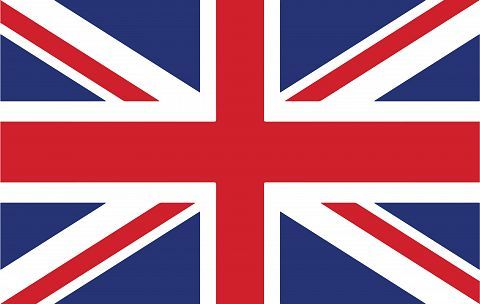
The United Kingdom remains one of the most recognised monarchies in the world. The reigning monarch serves as the head of state, while political power rests with Parliament and the Prime Minister. The royal family plays a largely ceremonial role, representing continuity and national unity.
- Saudi Arabia
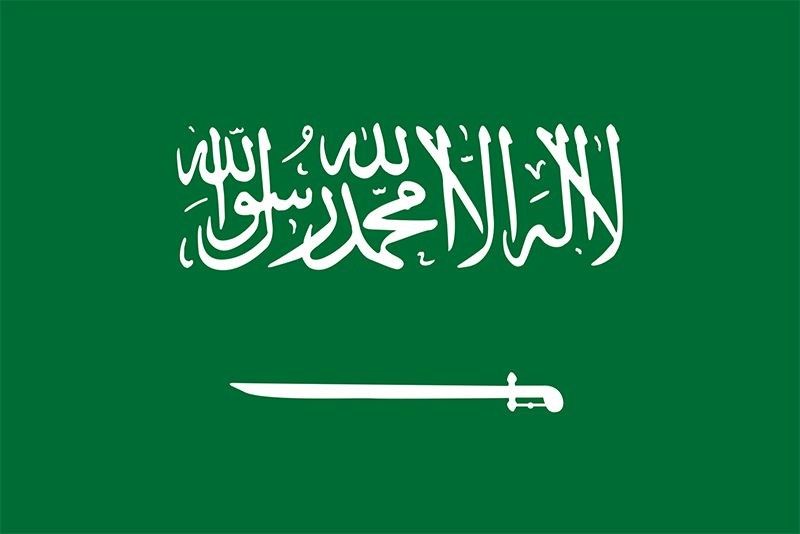
In Saudi Arabia, the monarchy holds significant political power. The King acts as both head of state and head of government, with authority over major national decisions. Governance is deeply rooted in tradition, with the royal family playing a central role in shaping policy and direction.
- Japan
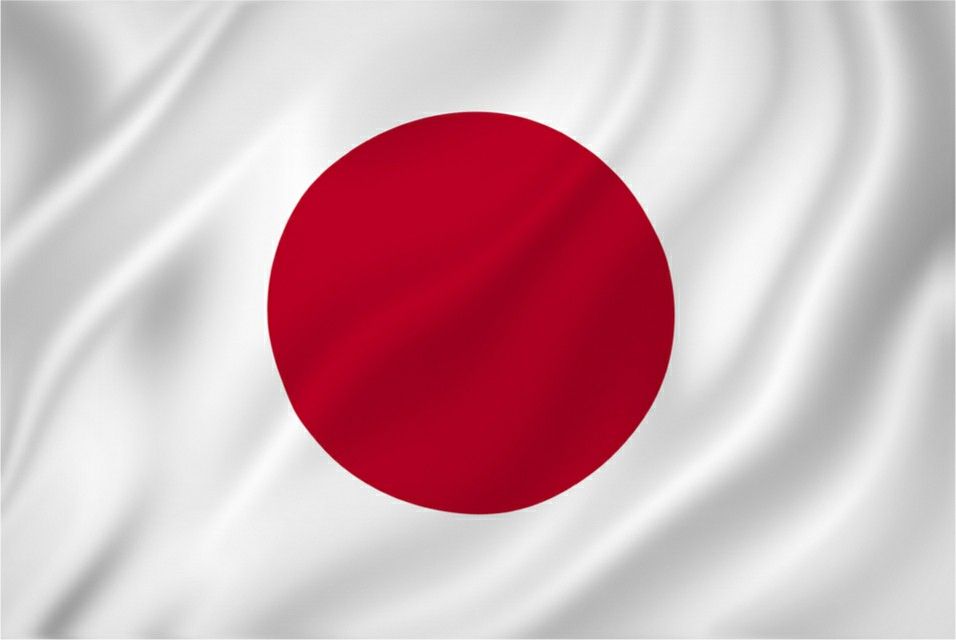
Japan’s monarchy is one of the oldest in the world. The Emperor serves as a symbolic figurehead with no governing authority. His role is largely ceremonial, representing the unity and cultural heritage of the Japanese people.
- Morocco
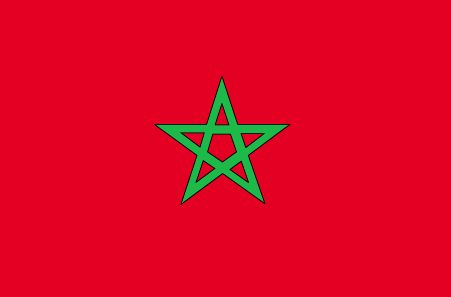
Morocco presents a blend of tradition and political influence. The King holds considerable authority, including religious leadership as Commander of the Faithful. While there is an elected government, the monarchy remains a powerful force in national affairs.
Thailand
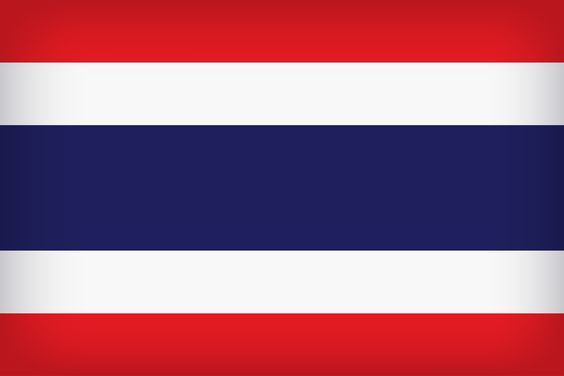
Thailand’s monarchy is deeply respected and plays an important cultural role. Although the country operates under a constitutional framework, the King is seen as a stabilising figure, particularly during periods of political uncertainty.
- Sweden
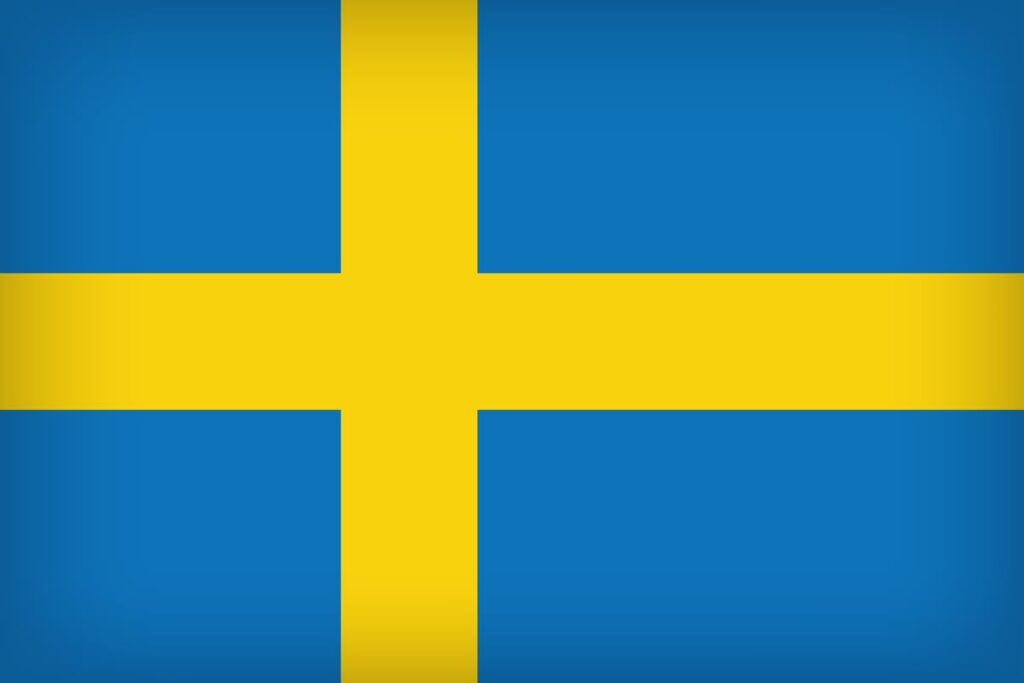
Sweden’s monarchy is purely ceremonial. The King serves as a representative of the nation, with no direct involvement in political decision making. The country is governed by elected officials within a democratic system.
United Arab Emirates
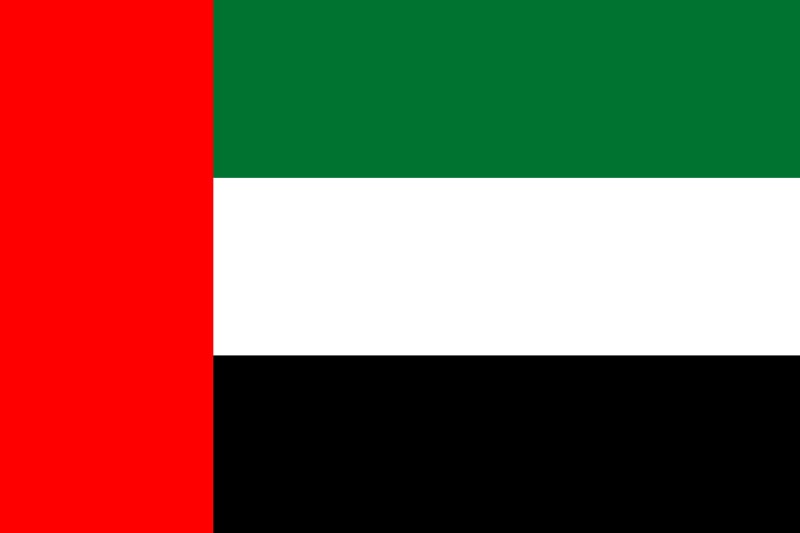
The United Arab Emirates operates as a federation of monarchies. Each emirate is ruled by its own leader, and together they form the Federal Supreme Council. The President is selected from among these rulers, reflecting a unique blend of traditional leadership and modern governance.
Jordan
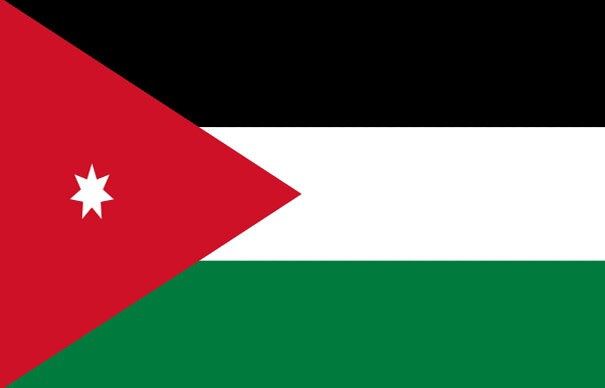
Jordan’s monarchy plays an active role in governance. The King holds executive powers, including appointing the Prime Minister and influencing legislation. The monarchy is central to the country’s political stability.
Norway
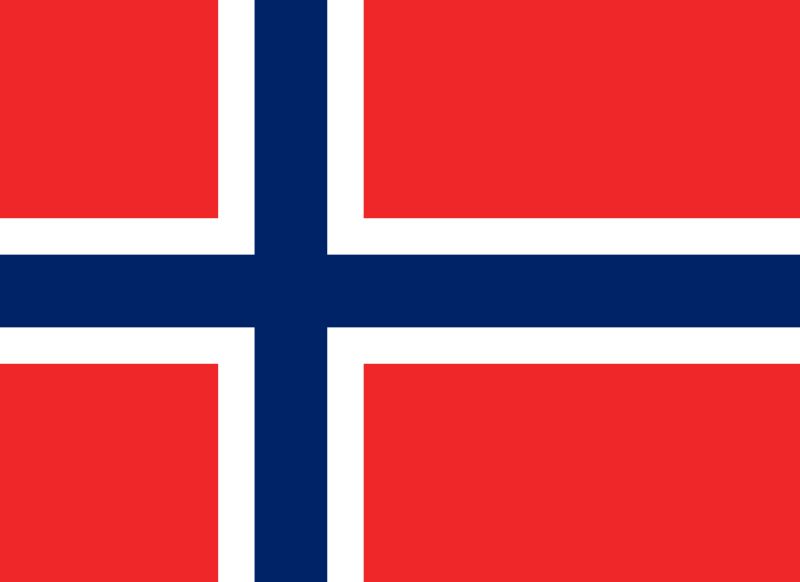
Norway, like Sweden, has a constitutional monarchy where the King performs ceremonial duties. Political power lies with elected representatives, while the monarchy serves as a symbol of national heritage.
Countries led by royalty demonstrate that monarchy is not a one-size-fits-all system. In some nations, royal figures hold real political authority, while in others they act as cultural and ceremonial icons. What unites them is their ability to preserve tradition while adapting to the demands of a modern world.